Languages

Topbar Menu EN

The SDG Fund is operationally closed. This site is alive for knowledge and dissemination purposes.
Warning: This website is closed. Be aware of phishing or social engineering fraudulent requests of payments or certificates. Explore our programme areas.
Please visit jointsdgfund.org
Search our database of publications


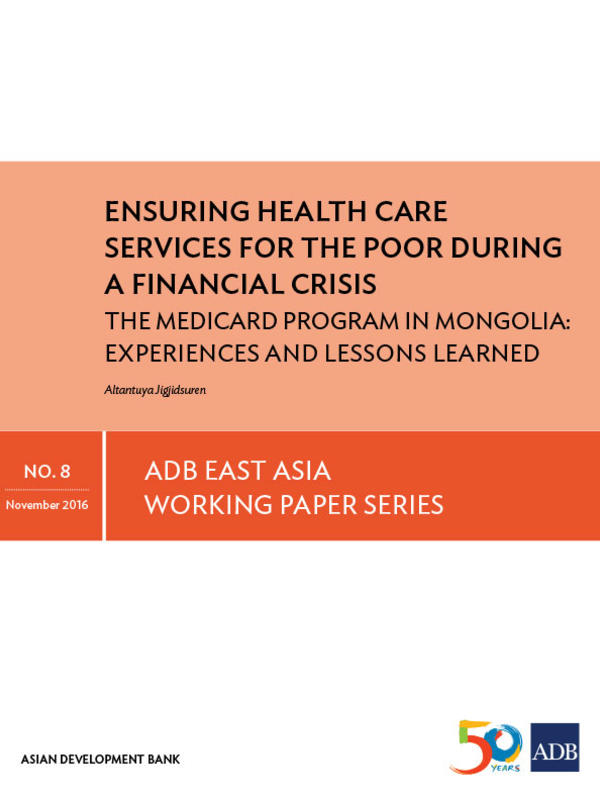
Ensuring health care services for the poor during a financial crisis. The Medicard Program in Mongolia: experiences and lessons learned
The 2007–2008 global financial crisis severely affected the Mongolian economy. Poverty struck and access to basic services and medical care plummeted, affecting the health of women and children. The Medicard program was the Mongolian health sector’s first to apply the Proxy Mean Test to target eligible households. It contributed to ensuring government health and social program inclusiveness, and highlighted the critical role of political commitment in ensuring the sustainability of such programs. This paper provides information on the program design and implementation by comparing it with international best practices.

View online/download
External Link

Financial inclusion, financial regulation, and education in Bangladesh

Like in many other countries, inclusive finance for inclusive growth has become a policy issue in Bangladesh following the global financial crisis in 2008. Over the past 10 years, intensity of financial deepening and access to financial services has increased. Both banks and microfinance institutions have contributed to higher intensity. A recent study shows that around 40% of the adult population and 75% of households have access to financial services in Bangladesh. Several factors may have contributed. Proactive regulatory policies and expanded financial literacy are the major determinants. In this paper, regulatory policies have been evaluated and the effect of financial literacy on financial inclusion has been examined empirically. Our analysis suggests that the regulatory agencies in Bangladesh have formulated policies for promoting financial inclusion and creating investment opportunities for micro and small firms in particular. Our empirical evidence, based on household-level data, shows that the intensity of financial literacy in Bangladesh is moderate, and it has a positive impact on inclusive finance. These findings warrant more emphasis on increasing financial literacy for access to finance and informed investment decisions.

View online/download
External Link

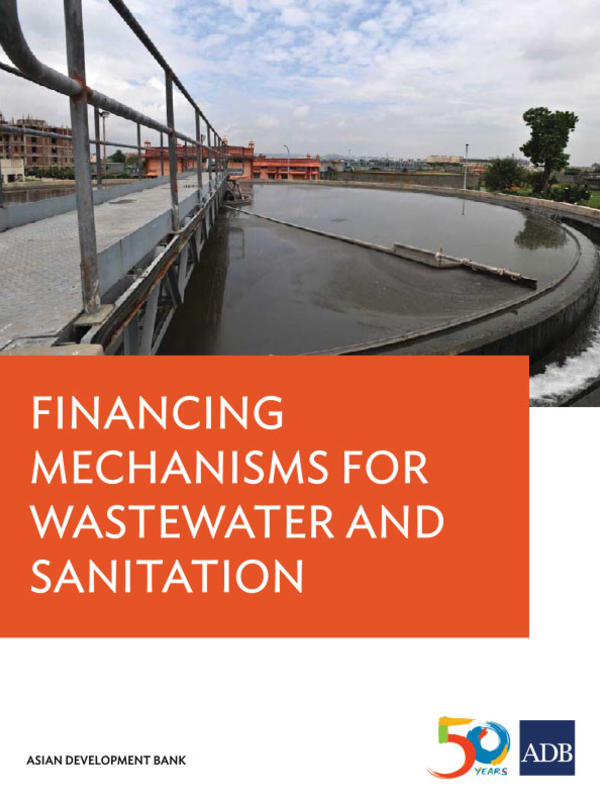
Financing mechanisms for wastewater and sanitation

This publication is a guide for government and city planners to identify financing mechanisms as they develop their own wastewater and sanitation projects. Case studies culled from various countries provide insight on various financing instrumentalities (subsidies, output-based or performance-based aid, carbon credits, and revolving funds) and financing arrangements (local government–water utility operator and public–private partnership) available to support the sanitation agenda. Financing flowcharts should help planners visualise the flow of funds and identify funding sources, including grants and loans. Examples of financing mechanisms can help cities identify business models they can adopt given their specific circumstances.

View online/download
External Link

Poverty and nutrition: a case study of rural households in Thailand and Viet Nam

We analyze the link between nutrition and poverty in two Asian countries where monetary-based poverty reduction was especially successful. Thailand and Viet Nam are two emerging market economies where poverty rates are now below 10% and are declining further. Despite this success, it is not clear to what extent it has translated into similar improvements in the nutritional situation of the people, and especially of children. We find that undernutrition continues to be a problem in Viet Nam with child underweight rates of 27% and therefore higher than headcount rates of the $1.25 poverty line. Also, Thailand, after the economic crisis, with 19% of children underweight, is still above the World Health Organization’s threshold. We investigate the factors that influence nutrition outcomes, measured as Z-scores of the weight-for-age indicator, by using Tobit regressions for four different groups of children, based on income (poor vs. non-poor) and nutrition (underweight vs. non-underweight). We find that poverty and income influence nutrition outcomes, but other factors such as mother’s height, education, migration and sanitation also affect nutrition. Coefficients of respective variables differ by poverty status. Our conclusion that non-monetary factors matter to reduce undernutrition, and, therefore, monetary poverty reduction is not a sufficient condition, is further underlined by a prediction of future undernutrition rates based on regressions. Also, we find that, even under the assumption of high growth, income growth alone will not be able to reduce undernutrition to a level of low severity until the year 2030.

View online/download
External Link

Connecting Bangladesh: economic corridor network

In this paper, a new set of corridors is being proposed for Bangladesh—a nine-corridor comprehensive integrated multimodal economic corridor network. This paper presents the initial results of the research undertaken as an early step of that development effort. It recommends an integrated approach to developing economic corridors in Bangladesh that would provide a strong economic foundation for the construction of world-class infrastructure that, in turn, could support the growth of local enterprises and attract foreign investment.

View online/download
External Link

Cobenefits and trade-offs of green and clean energy: evidence from the academic literature and Asian case studies

This paper assesses the positive cobenefits of promoting green and clean energy in Asia, and discusses four case studies where cobenefits have been delivered in practice in Indonesia, People's Republic of China, Japan, and Singapore. It first defines what is meant by “clean” energy across the four technological systems of cooking, renewable electricity, energy efficiency, and urban transport. It summarizes at least four general types of cobenefits to investing in these systems.

View online/download
External Link

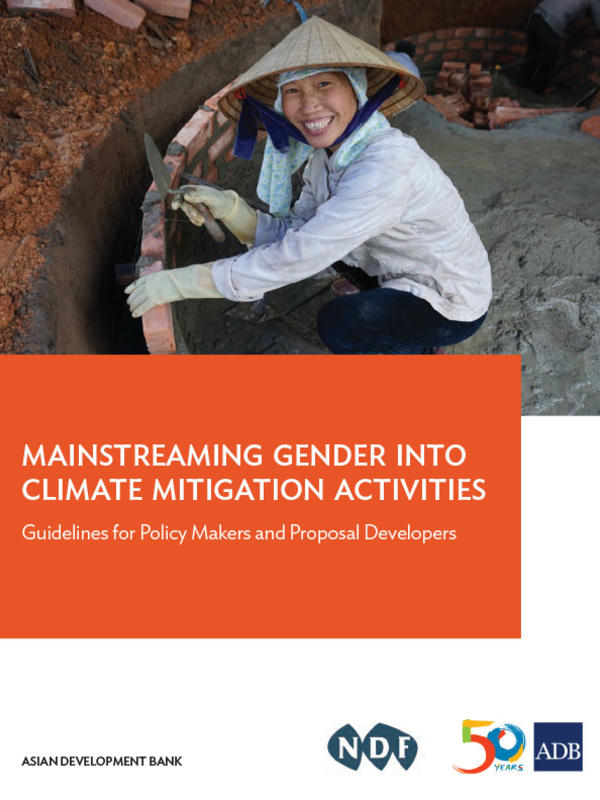
Mainstreaming gender into climate mitigation activities

Actively engaging women in climate mitigation activities can yield multiple benefits, including improved jobs, better livelihoods, and more equitable revenue flows. Efforts are moving forward to design climate funding mechanisms to help capture these benefits, but policy makers and other stakeholders need more guidance on designing gender-responsive climate policies and funding proposals. The guidelines in this publication fill this void. It is hoped that these guidelines would equip policy makers with pragmatic advice on how to mainstream gender into climate change mitigation actions and funding proposals. This publication reflects on applications for the guidelines as well as relationships between climate planning and funding proposal.

View online/download
External Link

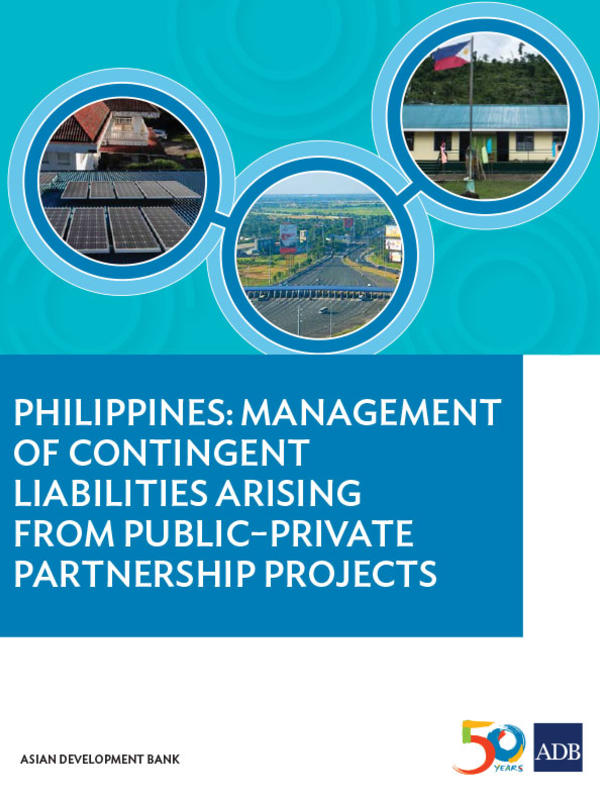
Philippines: management of contingent liabilities arising from public-private partnership projects

With a rapidly expanding public-private partnership (PPP) project portfolio and based on past lessons learned, the government needs to improve management of contingent liabilities arising from the PPP contracts. This study shows that major directions requiring further eff„ort include: 1) better pricing of government guarantees; 2) adoption of methodology for quantification of contingent liabilities, setting prudential limits on PPP contingent liabilities; 3) development of procedures for payment of materialized contingent liabilities from the national budget’s unprogrammed fund; 4) in the medium term, setting up a contingent liabilities fund financed through budget appropriations and contributions of project sponsors.

View online/download
External Link

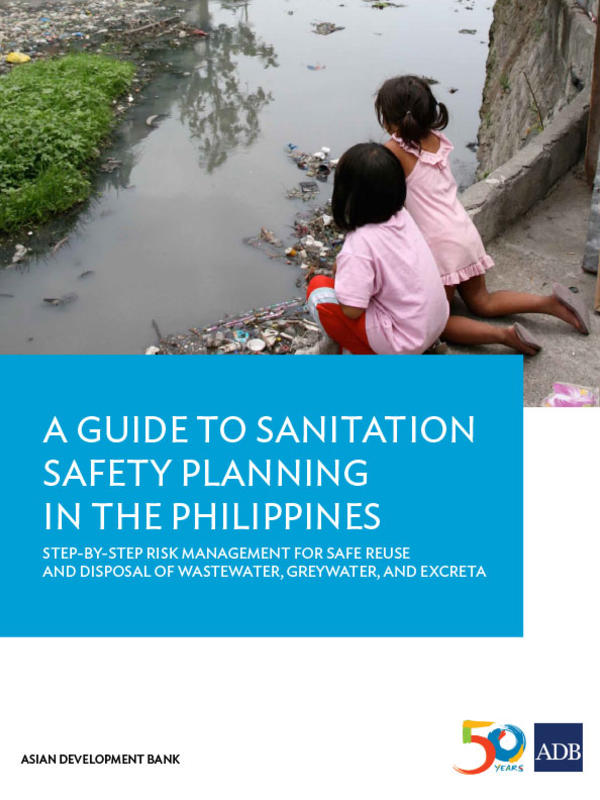
A guide to sanitation safety planning in the Philippines

Sanitation safety planning is a preventive risk management approach that identifies potential risks that may arise during the operation of a sanitation system, including waste collection, transportation and conveyance, treatment, disposal, and reuse. After the highest priority risks have been identified, an incremental improvement plan establishes control measures to ensure that no one in the sanitation chain is exposed to the hazards related to wastewater, greywater, and excreta. This guide describes a six-step process for sanitation safety planning in the Philippines, based on the experiences of pilot projects by two water service providers, Baliwag Water District and Maynilad Water Services, Inc.

View online/download
External Link

Myanmar: energy sector assessment, strategy, and road map

Myanmar has abundant energy resources, particularly hydropower and natural gas. However, the country’s energy sector has been underdeveloped due to global isolation and lack of financial and technical capacity. This is the first energy sector assessment, strategy, and road map for Myanmar prepared by ADB's Southeast Asia Energy Division. It highlights energy sector performance, major development constraints, government plans and strategy, past ADB support and experience, other development partner support, and future ADB support strategy. This document is linked to and feeds into ADB’s country partnership strategy for Myanmar and will be updated as strategic developments and program changes are needed.

View online/download
External Link

The economics of greenhouse gas mitigation in developing Asia

This study uses an economy–energy–climate model to assess the long-term effects of Paris Agreement pledges on developing Asia, in comparison with business as usual and more ambitious scenarios to limit warming to 2°C. It finds potential for modest macroeconomic costs of ambitious mitigation, but that clean energy investment needs are substantial. When costs, benefits of avoided climate change, and cobenefits are considered together, investment in mitigation policy is found to have substantial economic returns for the region—if action is taken rapidly and international carbon market mechanisms are implemented to allow mitigation to occur where it is least costly.

View online/download
External Link

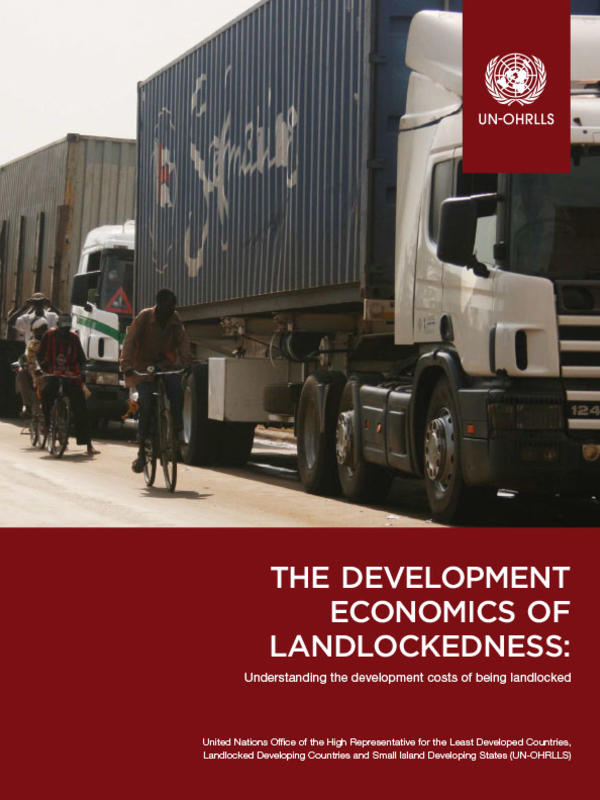
The development economics of landlockedness

The purpose of this study was to analyse the impact of landlockedness on the development prospects of Landlocked Developing Countries (LLDCs). In particular the study assesses the impact of landlockedness on the overall development performance of LLDCs on a large number of economic, institutional, and social indicators; empirically estimates the development cost of being landlocked using an econometric approach; and based on the findings, proposes recommendations that can provide a more holistic strategy to the development of LLDCs. The distinctive feature of the econometric approach used is that it does not limit landlockedness to affect income (or economic growth) through its effect on trade. The logic underlying the modelling approach is that landlockedness can affect both economic and non-economic dimensions of development and that these development effects can be transmitted through several channels that include international trade and quality of institutions.

View online/download
External Link

The impact of climate change, desertification and land degradation on the development prospects of Landlocked Developing Countries

This study seeks to identify Landlocked Developing Countries (LLDCs)’ priority areas on climate change, land degradation and desertification that could be included in their new development agenda. In order to achieve this objective, the study: (a) provides a comprehensive review of the impact of climate change, desertification and land degradation on LLDCs, (b) reviews national, regional and international interventions which have been implemented in LLDCs; (c) identifies best practices, lessons learnt and emerging opportunities and (d) proffers recommendations for inclusion in a new development agenda for LLDCs which will assist them to ameliorate the negative impacts of climate change, desertification and land degradation.

View online/download
External Link

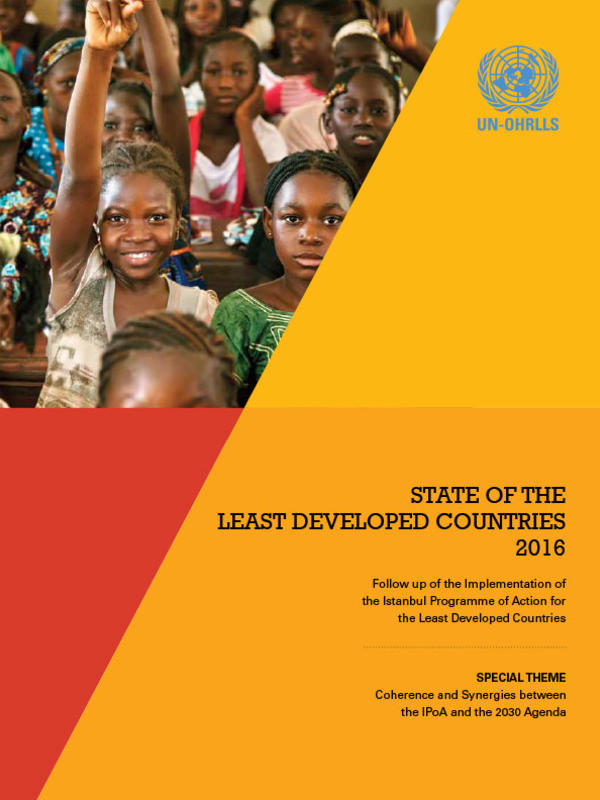
State of the Least Developed Countries 2016

The current report builds on the first and second editions, which considered the issues of productive capacity building as well as extreme poverty eradication in the least developed countries (LDCs) and the post-2015 development agenda. These reports provided analysis relating to the inclusion of LDC issues in the 2030 Agenda for sustainable development. This year’s report is dedicated to the implementation of the SDGs in LDCs using synergies with the Istanbul Programme of Action (IPoA). Part 1 of the report assesses progress towards achieving the goals and targets of the IPoA, particularly in the eight priority areas; reviews efforts towards this end; and identifies challenges ahead. The report argues that enhanced, coordinated and targeted support to the LDCs fulfilling ODA commitments but also going beyond, will remain critical to effectively implementing the IPoA. Part 2 of the report assesses the complementarities of the IPoA and the 2030 Agenda. It maps the goals, targets and actions of the IPoA with the SDGs, focusing on means of implementation. Furthermore it looks at how the implementation of the SDGs in LDCs can be fostered, including its mainstreaming and monitoring and followup. The conclusions and policy recommendations cover the findings in both parts of the report. As the report finds significant synergies between the IPoA and the Agenda 2030 it highlights the importance of leadership and political will and effective global partnership.

View online/download
External Link

Supporting vulnerable countries on their path to poverty eradication and prosperity

From the General Assembly in 1971 that established the LDC status, to the adoption of the Sustainable Development Goals (SDGs) in 2015, this brochure will highlight the evolution of the different international mandates supporting the UN’s most vulnerable countries, and UNIDO’s intervention within them, taking into account previous achievements and unmet challenges. The brochure concludes with a discussion of the future path for these countries, emphasizing issues that development strategies must address in order to reach their goal of poverty eradication and increased prosperity. Effort is being made to highlight selected UNIDO interventions, however the mentions in this brochure are non-exhaustive.

View online/download
External Link

Guide on gender mainstreaming: agribusiness development projects

By systematically mainstreaming gender into its interventions, UNIDO’s Agribusiness Development Branch (AGR) can ensure equal opportunities for women and men, thus furthering UNIDO’s Inclusive and Sustainable Industrial Development (ISID) agenda and contributing to the achievement of the Millennium Development Goals (MDGs) and the post-2015 development framework. This guide showcases UNIDO’s work in the area of Agribusiness development and gender mainstreaming. The Guide is divided into six chapters and is meant to be read in its entirety. The first two chapters cover a general background of gender concepts and the gender dimensions of agribusiness development projects, while the remaining chapters provide a step-by step road map of gender mainstreaming in the different stages of the project cycle. Given the wide scope and diversity of the AGR portfolio, the relevance and application of this guide may vary. Therefore, the guide must be considered in view of each individual project’s specificities and applied where appropriate.

View online/download
External Link

Diagnostics for industrial value chain development

Industrial value chains are complex both in terms of the various segments they cover (from primary materials to consumption), and the impacts that their progress and development can generate. It is in this context that UNIDO’s value chain diagnostics tool aims to provide guidance. The main objective is to draw a complete picture of the chain using a set of diagnostic dimensions, as broad in nature as possible, to describe the current situation in a given context. Once this is established the diagnostics also help to reflect on opportunities and constraints that impact on certain dynamics in the value chain, automatic or induced through governments and development agents.

View online/download
External Link

Pro-poor value chain development

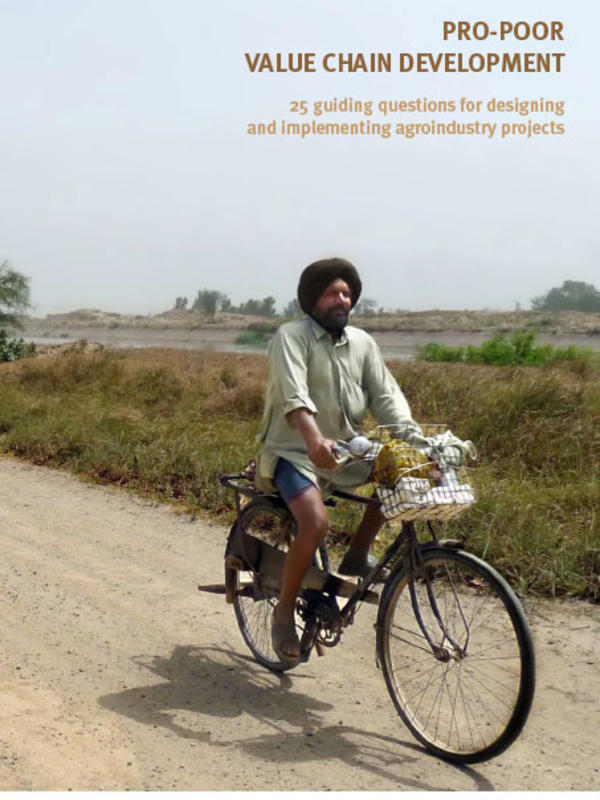
The aim of this practioner's guide is to assist programme designers and project managers working for governments, development agencies and the private sector alike, in designing and implementing projects for the development of agricultural and agro-industrial value chains. It addresses two challenges in particular: a. Making transformation and value addition processes integral to value chain development, in addition to primary agricultural production and marketing; and b. Overcoming difficulties of designing value chain development initiatives that focus on social benefits, especially poverty reduction and gender equity.

View online/download
External Link

Industrial Development Report 2016: the role of technology and innovation in inclusive and sustainable industrial development

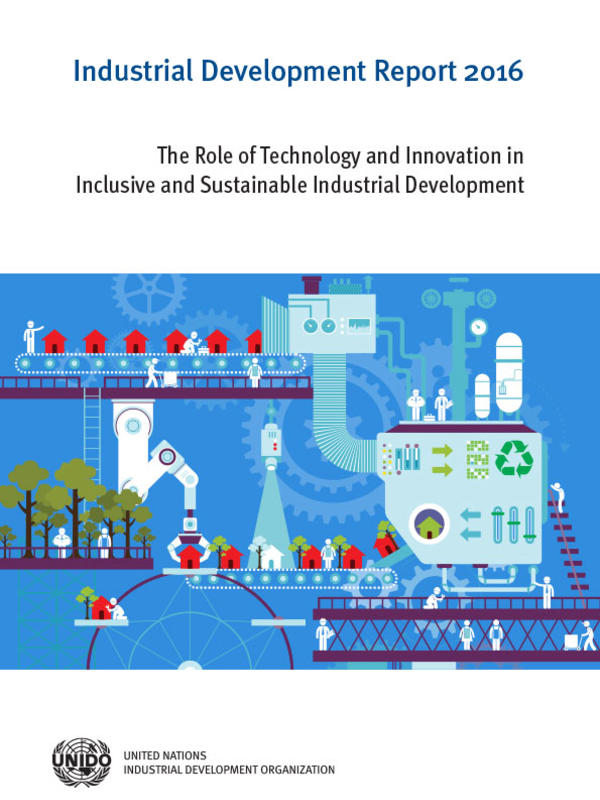
This report addresses a challenging question: under which conditions do technology and innovation achieve inclusive and sustainable industrial development (ISID)? The main finding of this report is that technology can simultaneously serve all three dimensions of sustainability. Rapid inclusive and sustainable industrialization can be achieved provided that policymakers resolutely facilitate and steer the industrialization process, which requires sound policies and avoiding the mistakes other countries have made in the past.

View online/download
External Link

The 2030 Agenda for Sustainable Development: achieving the industry-related goals and targets

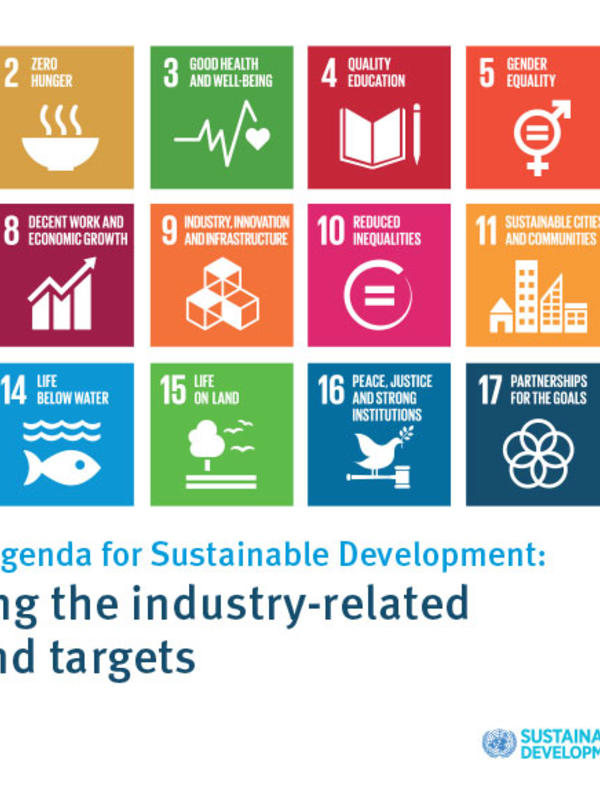
UNIDO’s vision to address today’s economic, social and environmental challenges is enshrined in the Lima Declaration, which was adopted by UNIDO Member States in December 2013. On this basis, the Organization pursues Inclusive and Sustainable Industrial Development (ISID) to harness industry’s full potential to contribute to lasting prosperity for all. The mandate is based on the recognition by Member States that poverty eradication “can only be achieved through strong, inclusive, sustainable and resilient economic and industrial growth, and the effective integration of the economic, social and environmental dimensions of sustainable development.” The present document summarizes the contribution of UNIDO’s mandate as well as current and planned future activities vis-à-vis the SDGs, with a special focus on SDG-9, which highlights and affirms the critical importance of ISID and its contribution to all 17 goals.

View online/download
External Link

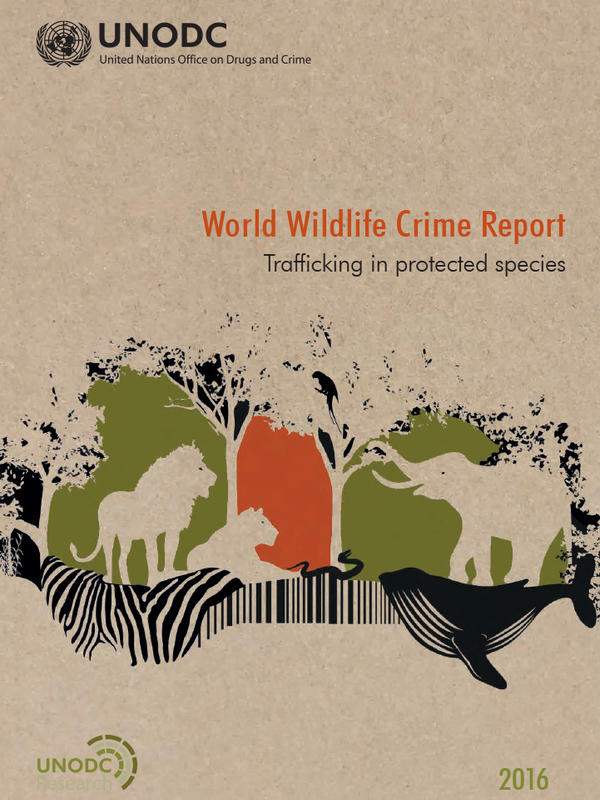
World wildlife crime report: trafficking in protected species

The need to protect our planet’s flora and fauna from the predations of transnational organized crime has become a major priority for the international community in recent years. The Sustainable Development Goals include specific targets to combat poaching and trafficking of protected species, including by helping local communities to pursue sustainable livelihoods. There is increasing recognition of the dangers wildlife and forest crime pose not only to the environment but to the rule of law and stability, and of the potential for the criminal proceeds to fuel conflict and terrorism. The desperate plight of iconic species at the hands of poachers has deservedly captured the world’s attention, and none too soon. This report, which represents two years of comprehensive research, based on the latest and best available data, seeks to inform and support further urgent action by the international community.

View online/download
External Link

Seven strategies for ending violence against children

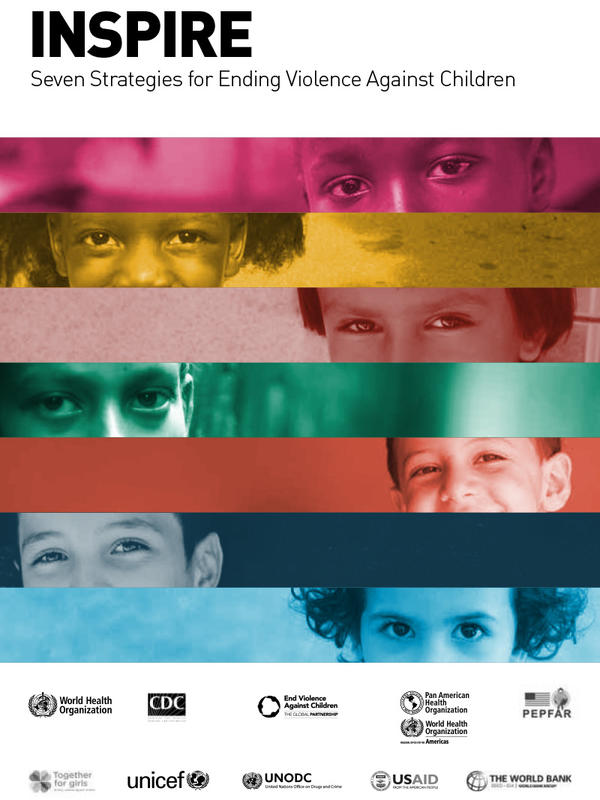
Progress in understanding and preventing violence against all children from birth to 18 years is advancing rapidly. Although greater investment is needed to increase our knowledge about how best to prevent violence against children, we already have sufficient evidence to allow us to stop the violence and replace it with safe, stable and nurturing environments in which children can thrive. This package of seven evidence-based strategies builds on growing evidence that violence against children is preventable, and on a growing public consensus that it will no longer be tolerated. The package will help unify multisectoral efforts to raise awareness that, although levels of violence vary within and between countries, no society is immune as violence against children is everywhere, and it will encourage deeper engagement to prevent it and to treat the harmful consequences when it does occur.

View online/download
External Link

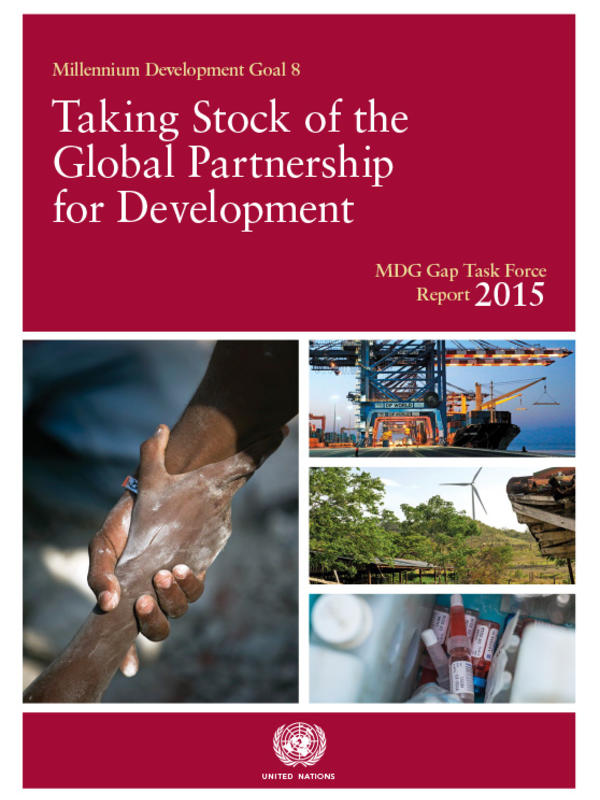
MDG Gap Task Force Report 2015: taking stock of the global partnership for development

This report of the United Nations MDG Gap Task Force monitors the recent achievements and challenges in the implementation of the Millennium Development Goal 8, while looking ahead towards the new sustainable development agenda. Key report findings reveal official development assistance flows have increased remarkably by 66 per cent from 2000 to 2014. In merchandise exports, developing countries’ access to developed-country markets has improved from 30.5 to 43.8 per cent over the same period. Debt burdens have been reduced in most highly indebted poor countries. Mobile phone penetration in developing countries is estimated to reach 92 per cent at the end of 2015, compared to less than 10 per cent in 2000. Nevertheless, the Report also finds that major gaps persist in development aid flows to the least developed countries and in eliminating trade barriers for developing countries. Additionally, many people cannot access essential medicines and the Internet at affordable prices.

View online/download
External Link

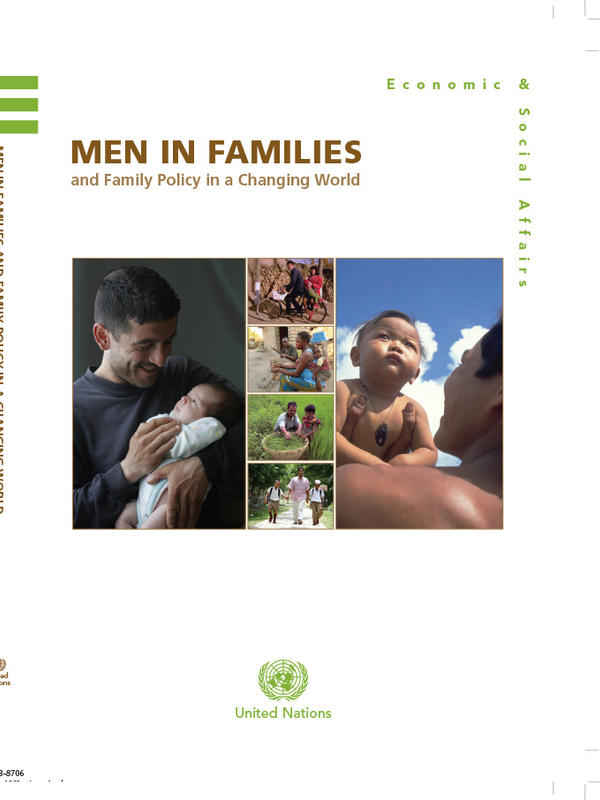
Men in families and family policy in a changing world

The perceptions of the role of women and men in families have changed over the past few decades. Men are no longer perceived as the economic providers to families. The role of men in the family has undergone many “diverse demographic, socio-economic and cultural transformations” impacting the formation, stability and overall well-being of families. In light of this development, DESA’s Division for Social Policy and Development (DSPD) launched this publication, focusing on the shifting roles and views of men in families.

View online/download
External Link

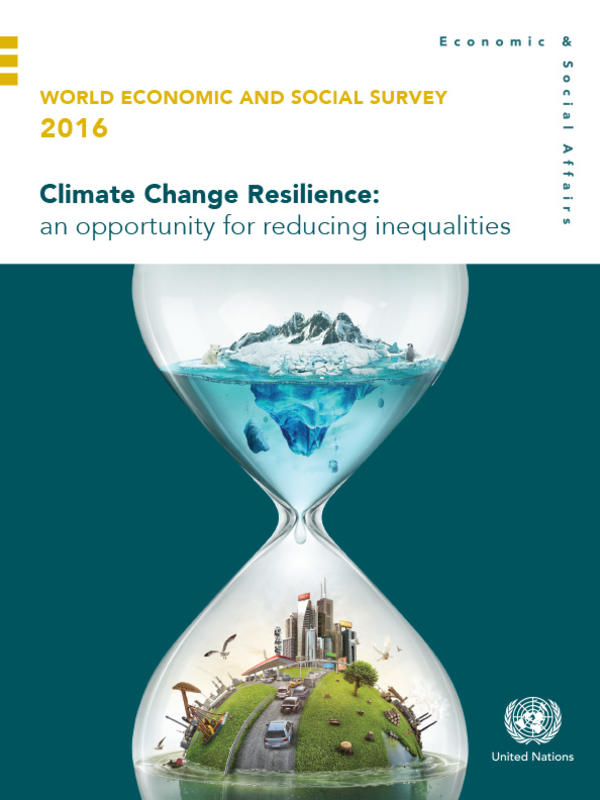
World Economic and Social Survey (WESS) 2016: Climate Change Resilience

Evidence is increasing that climate change is taking the largest toll on poor and vulnerable people, and these impacts are largely caused by inequalities that increase the risks from climate hazards. This survey found that governments can play a significant role in reducing the risks of climate change to vulnerable populations. Through transformative policies, the report shows that governments could address the root causes of inequalities and build climate change resilience. While there is considerable anecdotal evidence that the poor and the vulnerable suffer greater harm from climate-related disasters, the report determined that much of the harm is not by accident, but that it is due to the failure of governments to close the development gaps that leave large population groups at risk. The report argues that while climate adaptation and resilience are overshadowed by mitigation in climate discussions, they are vital for addressing climate change and achieving the Sustainable Development Goals by 2030.

View online/download
External Link


Suggest a publication

Feel free to submit a publication.

Submit here