Languages

Topbar Menu EN
The SDG Fund is operationally closed. This site is alive for knowledge and dissemination purposes.
Warning: This website is closed. Be aware of phishing or social engineering fraudulent requests of payments or certificates. Explore our programme areas.
Please visit jointsdgfund.org

Search our database of publications


World Employment and Social Outlook 2016: transforming jobs to end poverty

This report shows that decent work is paramount in the fight to reduce poverty. One key finding is that poverty has tended to decline in many emerging and developing countries, whereas it has tended to increase in the majority of advanced economies, including in terms of working poverty. The report also examines the role that policy can play, documenting country initiatives focused on job-centred economic policies, employment programmes, enterprise development, social protection and social dialogue. Finally, the report discusses the role of international labour standards in reducing poverty and inequality.

View online/download
External Link

World Social Protection Report 2014-15: building economic recovery, inclusive development and social justice

Social protection policies play a critical role in realizing the human right to social security for all, reducing poverty and inequality, and promoting inclusive growth – by boosting human capital and productivity, and by supporting domestic demand and structural transformation of national economies. This ILO flagship report provides a global overview of the organization of social protection systems, their coverage and benefits, as well as public expenditures on social protection. The report follows a life-cycle approach, starting with social protection for children, followed by schemes for women and men in working age, and closing with pensions and other support for older persons. It also assesses progress towards universal coverage in health. The report further analyses trends and recent policies, such as the negative impacts of fiscal consolidation and adjustment measures, and urgently calls to expand social protection for crisis recovery, inclusive development and social justice.

View online/download
External Link

Why is female labour force participation declining so sharply in India?

Through an examination of labour market trends, a series of scenario exercises, and econometric analysis, we analyse four prominent hypotheses of the root causes of declining female participation. The findings in this paper indicate that a number of factors were responsible for the recent sharp decline in estimated labour force participation rates among working-age women. Some factors, such as increased attendance in education and higher household income levels, are no doubt a positive reflection of rapid economic development. Additionally, we find evidence that changes in measurement methodology across survey rounds is likely to have contributed to the estimated decline in female participation, due to the difficulty of differentiating between domestic duties and contributing family work. However, the key long-run issue is the lack of employment opportunities for India’s women, owing to factors such as occupational segregation.

View online/download
External Link

Labour formalization and declining inequality in Argentina and Brazil in the 2000s

Inequality and labour informality are still distinctive characteristics of Latin America. However, most of the countries have succeeded in reversing the upward trends in both informality and inequality in the 1990s. These positive dynamics have been noteworthy in Argentina and Brazil. This paper analyses the processes of labour formalization in these countries and its interrelation with the evolution of income inequality over the 2000s. It contributes to two current debates. The first one refers to the role of labour market flexibilization in employment formalization. The second one is related to the reduction of income inequality. Most of the literature places emphasis on the evolution of the returns to education. This paper complements this approach by analysing the contribution of formalization to the reduction of inequality in these countries.

View online/download
External Link

Strengthening the national biodiversity strategies and action plans: revision and implementation

The present document is aimed at supporting and enhancing a better understanding of seven key biodiversity conventions, namely the Convention on Biological Diversity, the Convention on International Trade in Endangered Species of Wild Fauna and Flora, the Convention on the Conservation of Migratory Species of Wild Animals (Convention on Migratory Species), the Convention on Wetlands of International Importance especially as Waterfowl Habitat (Ramsar Convention), the Convention concerning the Protection of the World Cultural and Natural Heritage (World Heritage Convention), the International Treaty on Plant Genetic Resources for Food and Agriculture and the International Plant Protection Convention in the context of updating/revising/reviewing the NBSAPs and their subsequent implementation.

View online/download
External Link

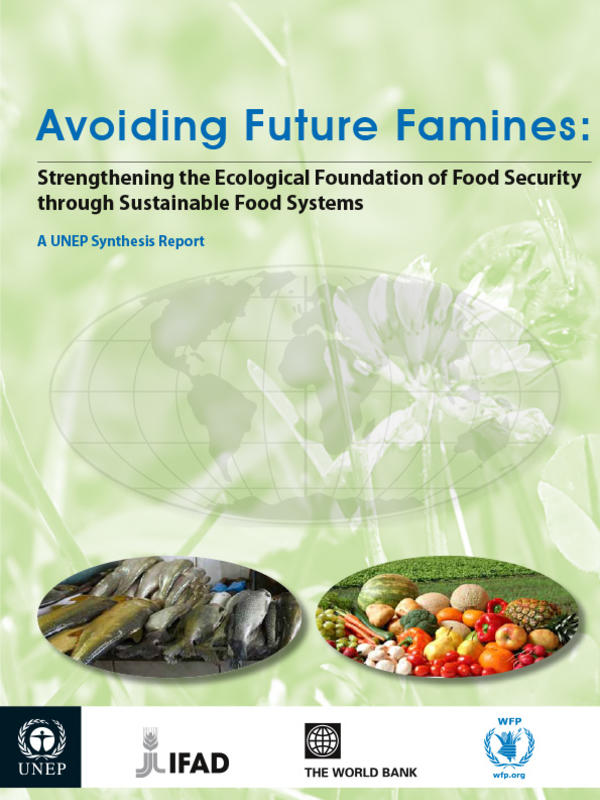
Avoiding future famines: strengthening the ecological foundation of food security through sustainable food systems

The report provides detailed analysis of the many factors threatening the world’s food supplies and its ability to continue to generate calories and proteins in the 21st century. It also provides a series of forward-looking recommendations and remedies to the many grim scenarios that often accompany the food security debate.

View online/download
External Link

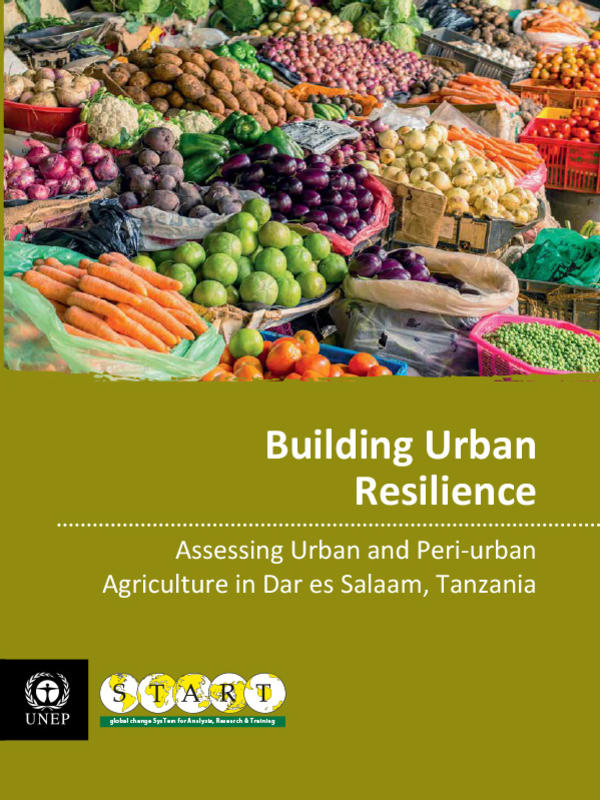
Building urban resilience: assessing urban and peri-urban agriculture in Dar es Salaam, Tanzania

This report presents the findings of a knowledge assessment on urban and peri-urban agriculture (UPA) for the city of Dar es Salaam, Tanzania that was conducted in 2012. It examines the state of UPA in the city through the lens of intensifying urban pressures and increasing climate risks with the objective of identifying how these and other drivers potentially interact to affect the long-term sustainability of UPA, and what response options are needed to address existing and emerging challenges.

View online/download
External Link

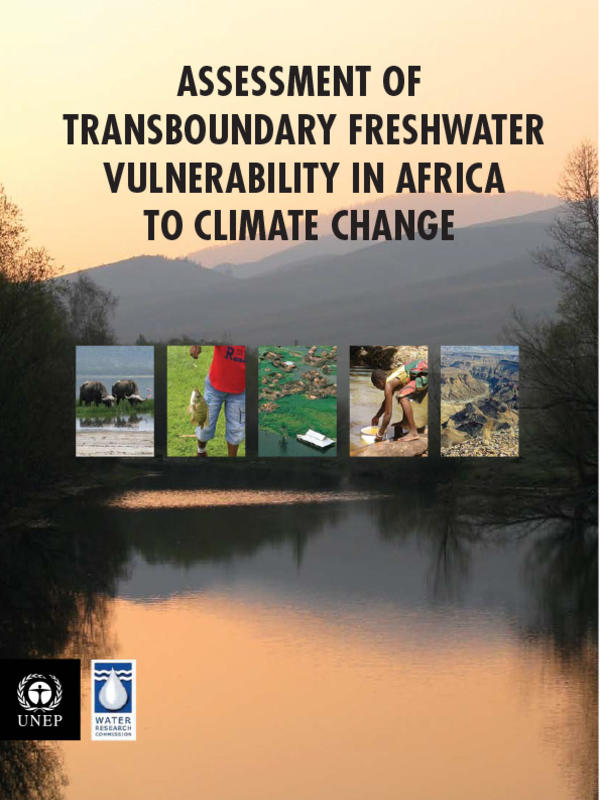
Assessment of transboundary freshwater vulnerability in Africa to climate change

Managing the freshwater impacts of climate change in Africa is as much a political and development challenge as a technical climate change challenge. Even without climate change, many of Africa’s water resources are facing overuse, pollution, and degradation. Poor land-use practices are contributed to this process. Large numbers of people living in poverty in rural and informal urban areas are already vulnerable to water-related risks, whether floods, droughts, poor water quality, or increasing water scarcity. The status of water resources in Africa has been changing for many decades, whether through decreasing water quality, lowered groundwater, more or less rainfall, and changed timing of rainfall. Change is not new. Climate change, however, will profoundly accelerate the rate of change, affecting the ability of people and societies to respond in a timely manner. The rate of change is compounded by uncertainty of the impacts of climate change. While there are a number of models that attempt to predict the impacts of climate change, many of these are at a very coarse scale and do not predict localised impacts, which may differ from the generalised picture. At the same time, different models predict different climate change trends in the same areas, some, for example, predicting an increase in rainfall, while others predict a decrease in rainfall. Managing for high rates of change in a context of uncertainty is thus what is demanded of African governments.

View online/download
External Link

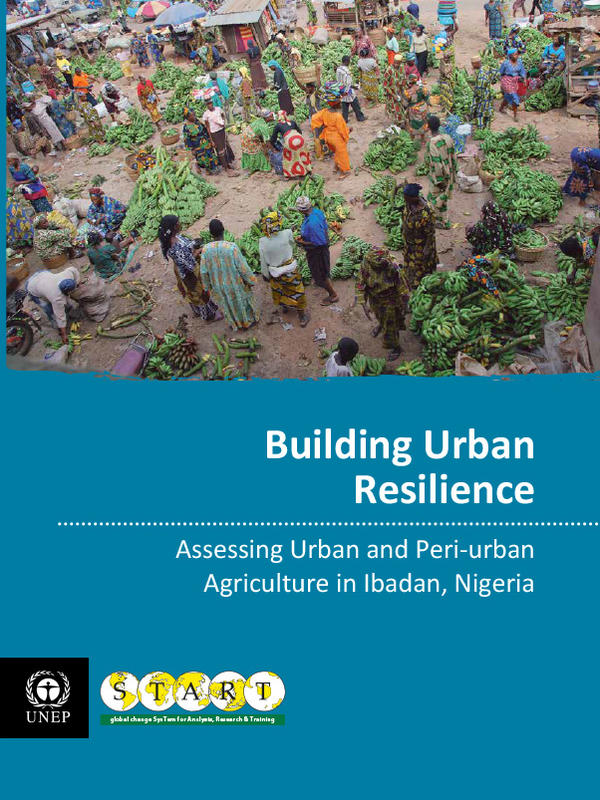
Building urban resilience: assessing urban and peri-urban agriculture in Ibadan, Nigeria

This report presents the findings of a knowledge assessment on urban and peri-urban agriculture (UPA) for the city of Ibadan, Nigeria that was conducted in 2012. It examines the state of UPA in the city through the lens of intensifying urban pressures and increasing climate risks with the objective of identifying how these and other drivers potentially interact to affect the long-term sustainability of UPA, and what response options are needed to address existing and emerging challenges.

View online/download
External Link

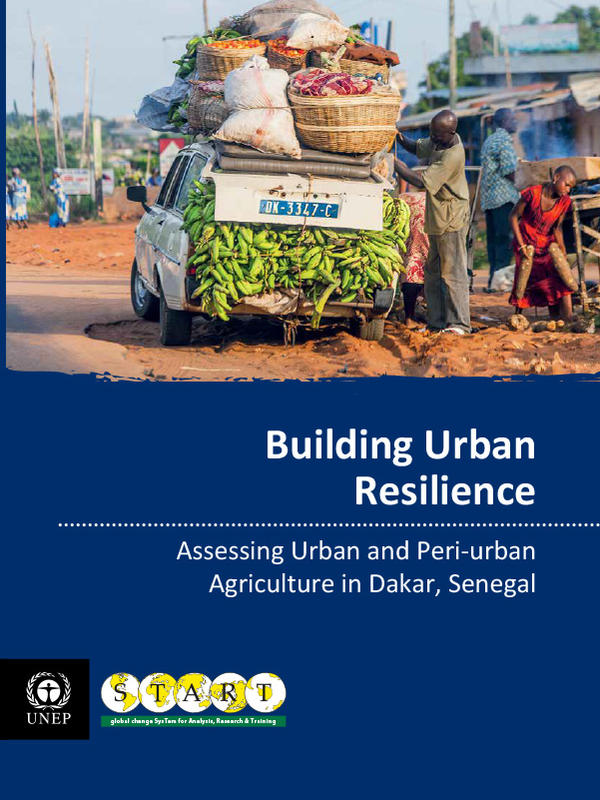
Building urban resilience: assessing urban and peri-urban agriculture in Dakar, Senegal

This report presents the findings of a knowledge assessment on urban and peri-urban agriculture (UPA) for the city of Dakar, Senegal, that was conducted in 2012. It examines the state of UPA in the city through the lens of intensifying urban pressures and increasing climate risks with the objective of identifying how these and other drivers potentially interact to affect the long-term sustainability of UPA, and what response options are needed to address existing and emerging challenges.

View online/download
External Link

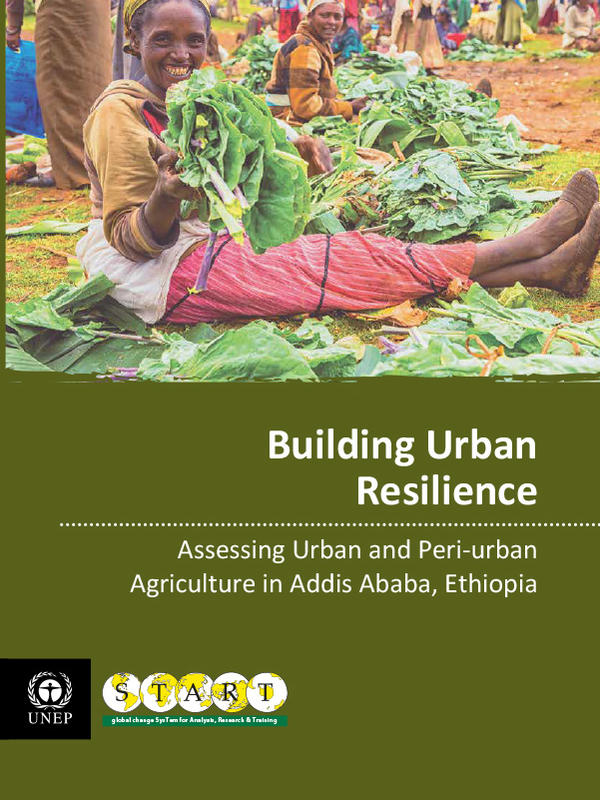
Building urban resilience: assessing urban and peri-urban agriculture in Addis Ababa, Ethiopia

This report presents the findings of a knowledge assessment on urban and peri-urban agriculture (UPA) for the city of Addis Ababa, Ethiopia that was conducted in 2012. It examines the state of UPA in the city through the lens of intensifying urban pressures and increasing climate risks with the objective of identifying how these and other drivers potentially interact to affect the long-term sustainability of UPA, and what response options are needed to address existing and emerging challenges.

View online/download
External Link

Barbados' green economy scoping study

The inclusion of green policy objectives in Barbados can be traced to the National Strategic Plan (2006-2025) and the Budget Speech of 2007. The process was given further impetus in 2009 when the then Prime Minister laid down the challenge of committing Barbados to become the “most environmentally advanced green country in Latin America and the Caribbean”. It was against this backdrop that the government engaged the United Nations Environment Programme (UNEP) in the establishment of a partnership to support the country’s transformation.

View online/download
External Link

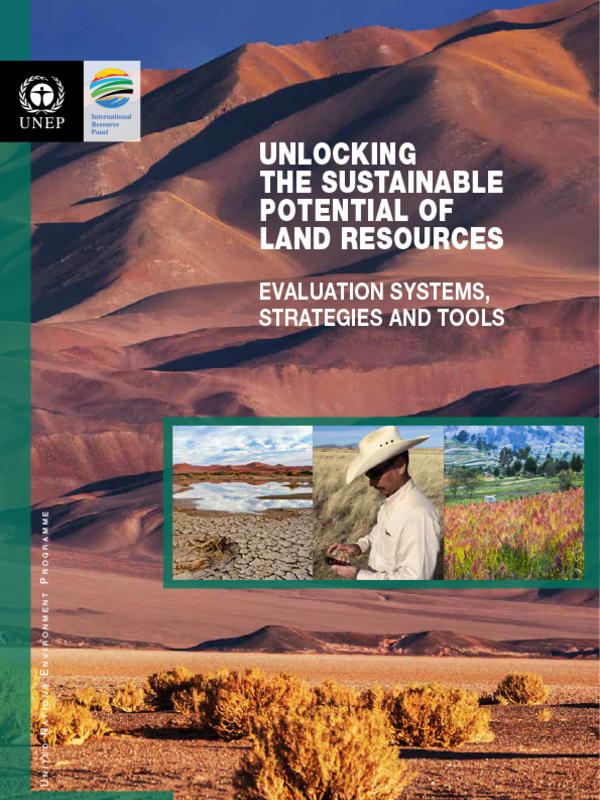
Unlocking the sustainable potential of land resources: Evaluating systems, strategies and tools

Better matching of land use with its sustainable potential is a “no-regrets” strategy for sustainably increasing agricultural production on existing land, targeting restoration efforts to where they are likely to be most successful, and guiding biodiversity conservation initiatives. Land potential is defined as the inherent, long-term potential of the land to sustainably generate ecosystem services. This report provides an introduction to land potential evaluation systems, strategies and tools necessary to implement this strategy. It provides information that both private landowners and policymakers can use to increase long-term productivity and profitability, while at the same time addressing global objectives defined through land-related Sustainable Development Goals, and particularly 15.3 (land degradation neutrality).

View online/download
External Link

Valuing plastic: the business case for measuring, managing and disclosing plastic use in the consumer goods industry

The objective of this report is to help companies manage the opportunities and risks associated with plastic use. It articulates the business case for companies to improve their measurement, disclosure and management of plastic use in their designs, operations and supply chains. In order to provide a sense of scale, the report sets out to quantify the physical impacts of plastic use translated into monetary terms. This metric can be seen as the current value-at-risk to a company, should these external impacts be realised internally through mechanisms like strengthened regulation, loss of market share, or increased price of raw materials and energy. This metric can also be used to help understand the magnitude of the opportunities, and the tangible benefits to stakeholders, including shareholders, of using plastic in an environmentally sustainable way.

View online/download
External Link

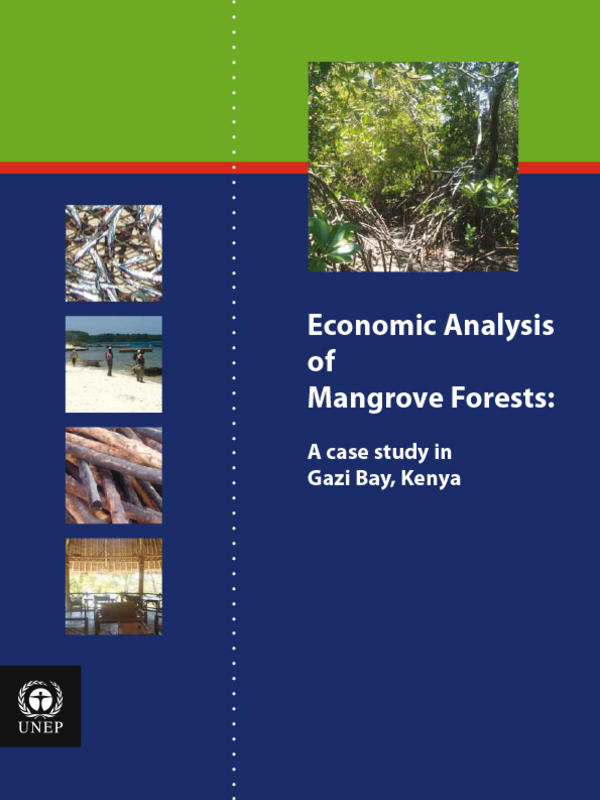
Economic analysis of mangrove forests: a case study in Gazi Bay, Kenya

This study was undertaken as part of UNEP efforts of promoting forests as a significant green economy asset for Kenya. Forests should be taken into account when calculating the national accounts because the global rush for land and the increasing demand for agricultural products and urban infrastructure continue to intensify the pressure on tropical and coastal forests. The fact that forests provide goods and services which currently have no valued assigned to in economic markets exacerbates the deforestation and land conversion.

View online/download
External Link

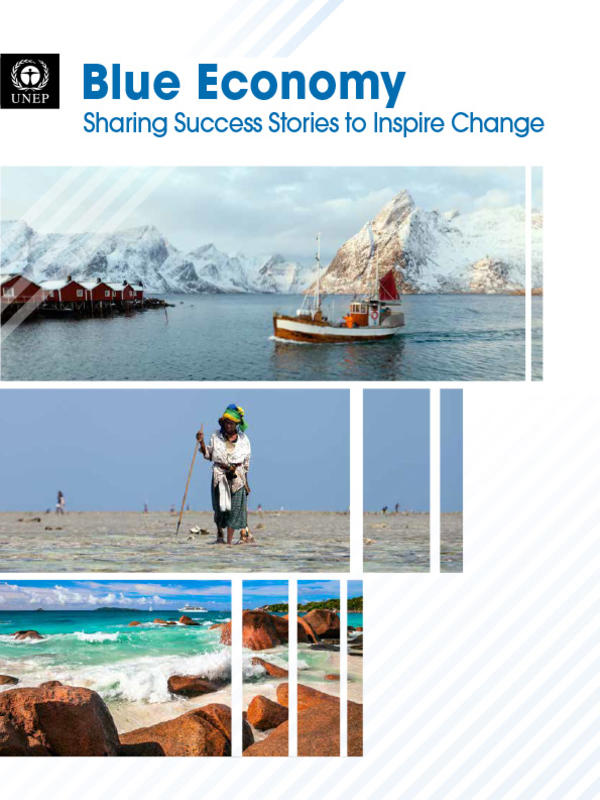
Blue economy: sharing success stories to inspire change

Oceans are vital, not only to a wide array of biodiversity and ecosystems, but also to the food chains, livelihoods and climate regulation for a human population heading towards nine billion people. That is why this report shares stories that illustrate how economic indicators and development strategies can better reflect the true value of such wide spread benefits and potentially even build on them.

View online/download
External Link

UNEP guide for energy efficiency and renewable energy laws

This Guide is written as a sequel to the 2007 UN Environment Programme Handbook for Legal Draftsmen on Environmentally Sound Management of Energy Efficiency and Renewable Energy Resources. The Guide describes the key legal issues associated with efficiency and renewable energy resource development, and presents legislative options from both developed and developing countries for dealing with them, including sample excerpts from legislation.

View online/download
External Link

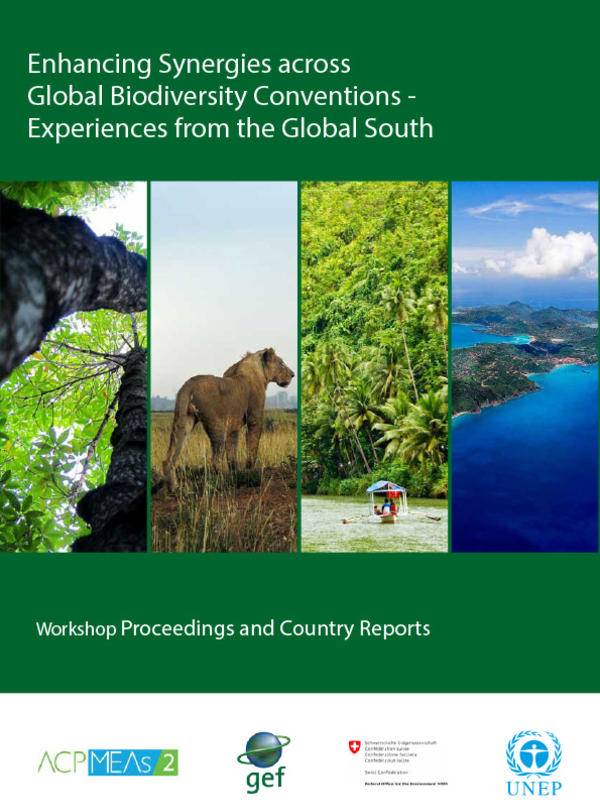
Enhancing synergies across global biodiversity conventions: experiences from the global South

Over the past few years, UN Environment has led a multi-stakeholder process to identify options for enhancing synergies and cooperation among the global biodiversity conventions. To that effect, UN Environment organized a workshop on NBSAPs and synergies among Biodiversity Conventions held in Nairobi, Kenya from March 15-17, 2016. The workshop brought together national focal points, government representatives and biodiversity experts from countries the African, Caribbean, Latin America, Pacific regions as well as MEA Secretariats in an important, first-of-its-kind knowledge and experience sharing exercise. The select countries who participated in the workshop are all at various stages of the revision of their National Biodiversity Strategies and Action Plans (NBSAPs) – a key instrument for implementing the Convention on Biological Diversity (CBD) at the national level.

View online/download
External Link

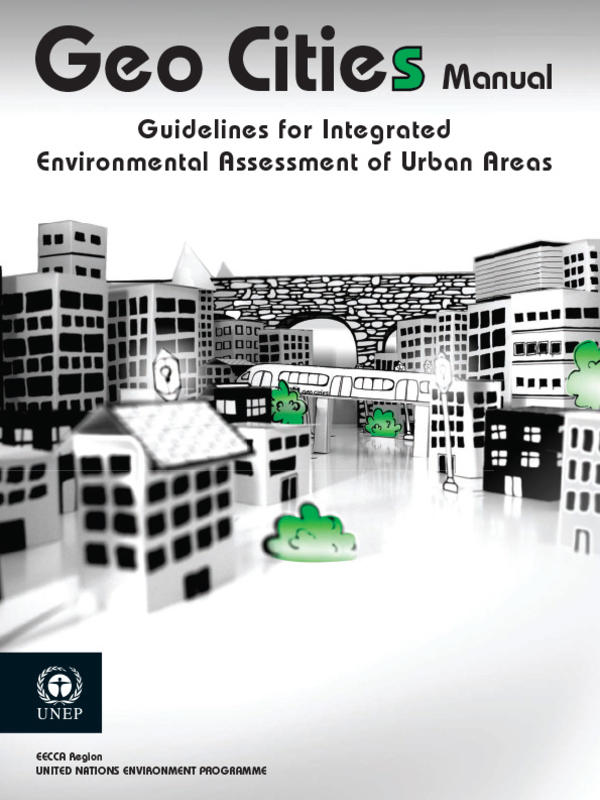
Guidelines for integrated environmental assessment of urban areas

Planning and management for sustainable development require an understanding of the linkages between environmental conditions and human activities and encourage participation by all sectors of society in decision-making. This publication is a useful tool that will help strengthen institutional capacity to prepare environmental assessments and comprehensive reports on cities in Central and Eastern Europe, the Caucasus and Central Asia.

View online/download
External Link

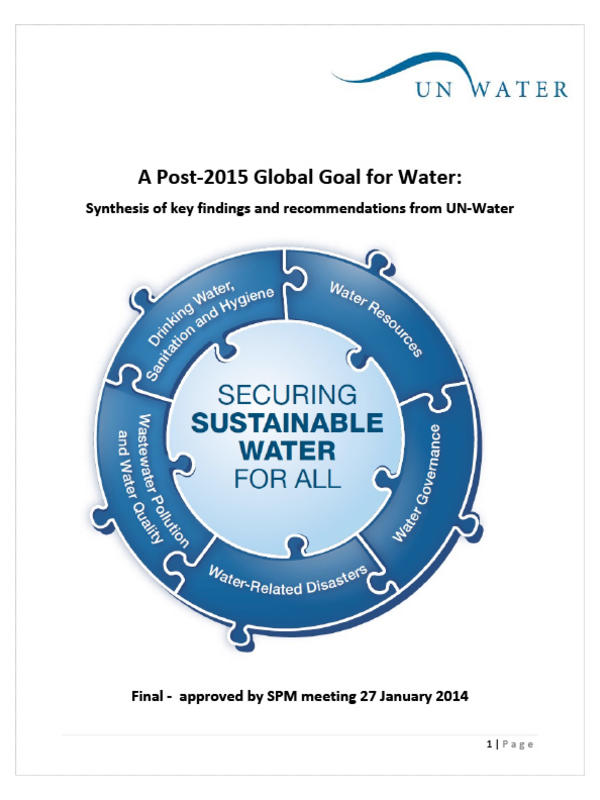
A post-2015 global goal for water: synthesis of key findings and recommendations from UN-Water

In a one-year-long expert consultation process, UN-Water’s 31 Members from the United Nations system and 36 international Partners have come together to analyze what role water could have in the Post-2015 Development Agenda. The result is a consolidated technical advice from the UN system to Member States to prioritize water through a dedicated global goal with five interlinked targets. The proposed goal builds on and extends existing commitments such as the Millennium Development Goals and the priorities agreed at Rio+20. Its overall framework universally applicable but responds to particular national circumstances.

View online/download
External Link

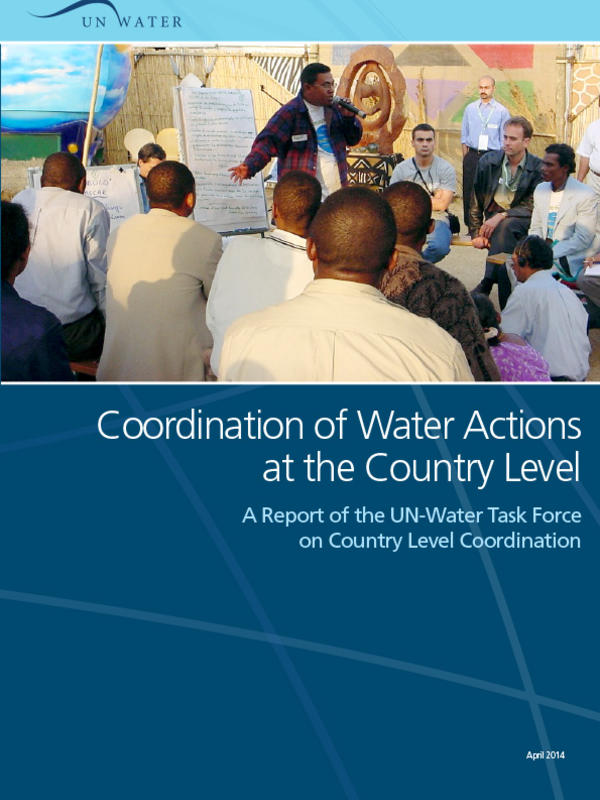
Coordination of water actions at the country level

This report analyses water related coordination mechanisms in 13 countries representing differing humanitarian and development situations and geographic locations. The information collected has been supplemented by selected case studies on coordination provided by UN-Water Members and Partners and an examination of the literature on coordination mechanisms of government for water supply, sanitation and hygiene (WASH) and water resources management. A previous report on 5 countries from the Task Force in 2008 also contributed significantly to an understanding of coordination mechanisms.

View online/download
External Link

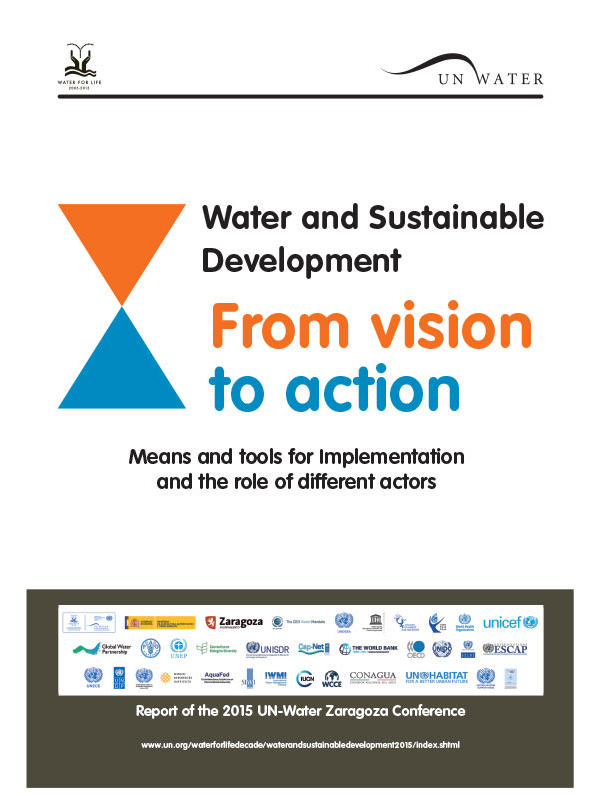
Water and sustainable development: from vision to action

This report of the 2015 UN-Water Zargoza Conference is compiled by the United Nations Office to support the International Decade for Action, 'Water for Life' 2005-2015. It includes the views of different stakeholders (Civil Society, Business, Academia, Governments and Global actors) about their role and their views about each others roles in the implementation of the water-related SDGs.

View online/download
External Link

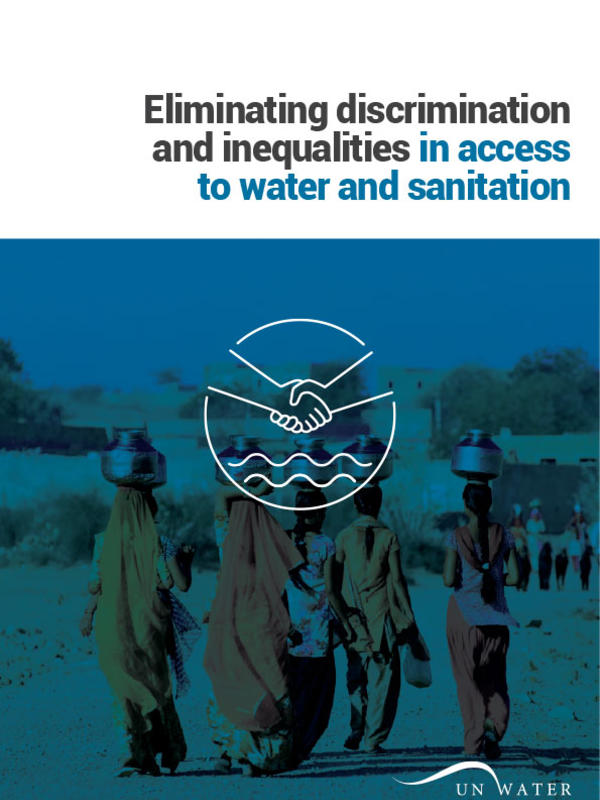
Eliminating discrimination and inequalities in access to water and sanitation

Patterns of marginalisation and exclusion are present all over the world, with stark and persisting inequalities in access to water and sanitation. Progress made in the water and sanitation sector does not always benefit those who are most in need of these services, in particular the poorest, people living in informal settlements and/or people marginalised on the basis of gender and other grounds. This policy brief aims to provide guidance on non-discrimination and equality in the context of access to drinking water and sanitation, with a particular focus on women and girls. It also informs readers on the duty of States and responsibilities of non-State actors in this regard.

View online/download
External Link

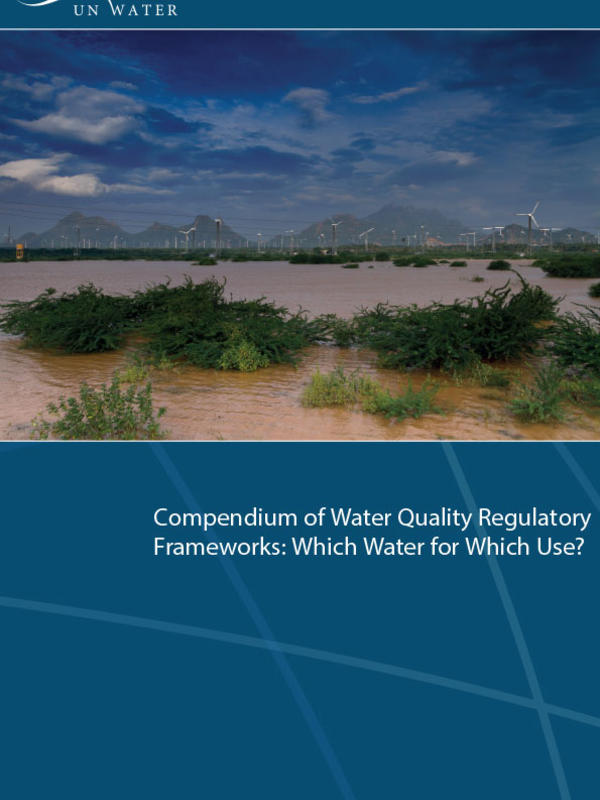
Compendium of water quality regulatory frameworks: which water for which use?

Water quality issues are complex and dynamic in nature and need urgent attention and action. Improving efficiency of water use requires regulatory frameworks that better reflect how different water uses require different water qualities, such as water from industrial processes being reused in agriculture. Drafting regulatory instruments to better manage water qualities that are ‘fit for purpose’ can benefit from the wide range of standards and guidelines currently available. The Compendium contains a selection of recent water quality guidelines and standards for different uses. The immediate target group is public officials and regulators – decision makers at large.

View online/download
External Link

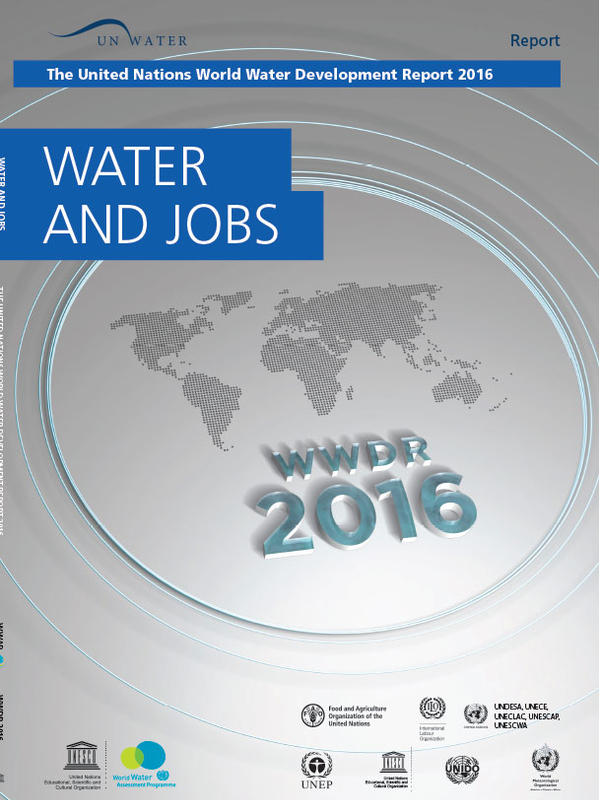
2016 UN World Water Development Report: water and jobs

Three out of four of the jobs worldwide are water-dependent. In fact, water shortages and lack of access may limit economic growth in the years to come, according to the 2016 United Nations World Water Development Report: water and jobs, which was launched on 22 March, World Water Day, in Geneva. From its collection, through various uses, to its ultimate return to the natural environment, water is a key factor in the development of job opportunities either directly related to its management (supply, infrastructure, waste water treatment, etc.) or in economic sectors that are heavily water-dependent such as agriculture, fishing, power, industry and health. Furthermore, good access to drinking water and sanitation promotes an educated and healthy workforce, which constitutes an essential factor for sustained economic growth. In its analysis of the economic impact of access to water, the report cites numerous studies that show a positive correlation between investments in the water sector and economic growth. It also highlights the key role of water in the transition to a green economy.

View online/download
External Link


Suggest a publication

Feel free to submit a publication.

Submit here