Languages

Topbar Menu EN
The SDG Fund is operationally closed. This site is alive for knowledge and dissemination purposes.
Warning: This website is closed. Be aware of phishing or social engineering fraudulent requests of payments or certificates. Explore our programme areas.
Please visit jointsdgfund.org

Search our database of publications


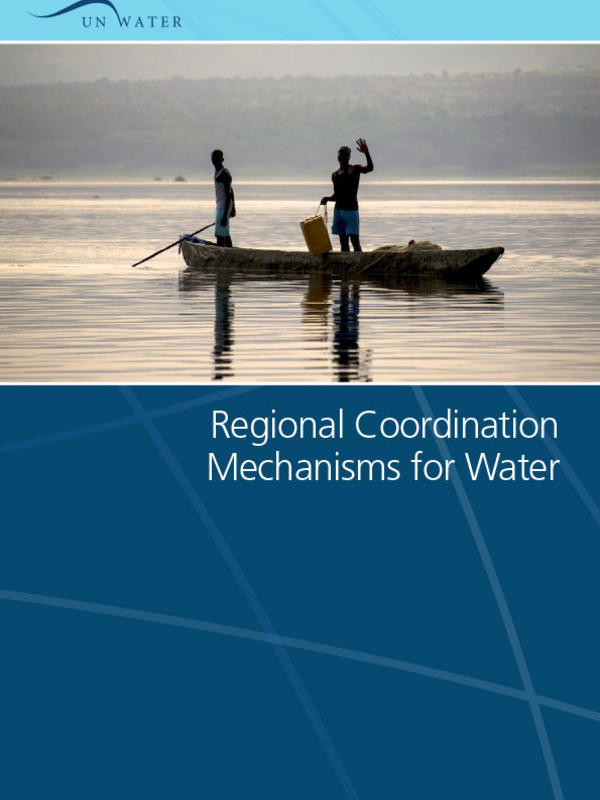
Regional coordination mechanisms for water

This report from the UN-Water Task Force on Regional-Level Coordination aims to identify regional coordination mechanism for water in the pursuit of improving and scaling up coordinated UN actions in water-related areas at the regional level.

View online/download
External Link

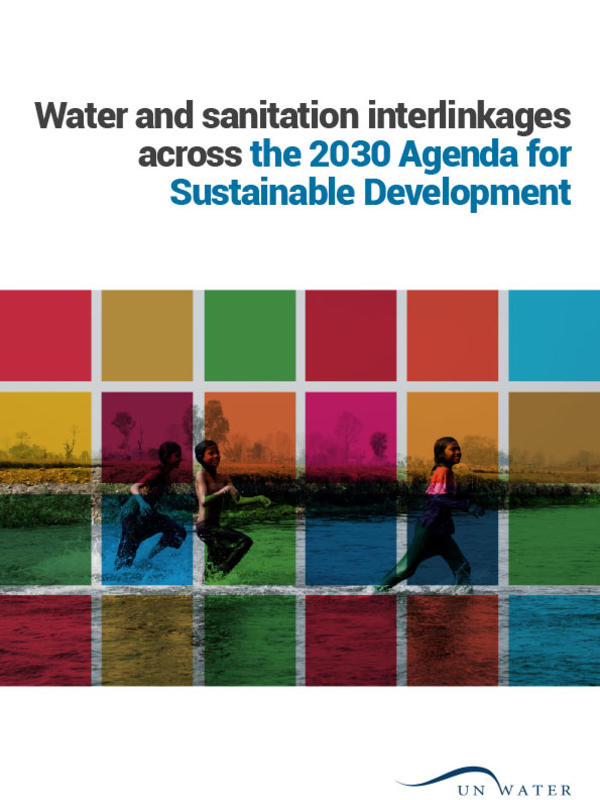
Water and sanitation interlinkages across the 2030 Agenda for Sustainable Development

This UN-Water Analytical Brief analyses the central role of water and sanitation to describe the links and interdependencies between the targets of Sustainable Development Goal 6 on water and sanitation and those of other Goals. It aims to stimulate United Nations Member States’ consideration of the water-related linkages within the Goals to facilitate an integrated approach to implementation. The Brief highlights the importance of mainstreaming water and sanitation in the policies and plans of other sectors, and how the management of interlinkages supports the social, economic and environmental dimensions of the 2030 Agenda for Sustainable Development.

View online/download
External Link

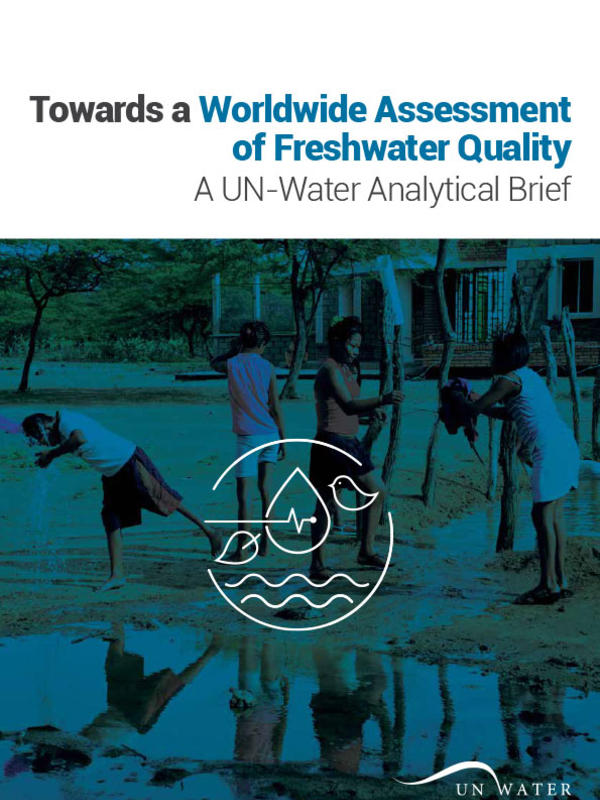
Towards a worldwide assessment of freshwater quality

The world is facing a water quality challenge. Serious and increasing pollution of fresh water in both developing and developed countries poses a growing risk to public health, food security, biodiversity and other ecosystem services. Pollution is strongly linked to economic development – with population growth and the expansion of agriculture, industry and energy production all in turn producing wastewater, much of which goes into surface and groundwater bodies uncontrolled or untreated. Despite recent preliminary assessments of the current worldwide water quality situation, the magnitude of the challenge is still unknown. Better information is required on where the issues lie and what is needed to effectively and efficiently take action to protect and improve water quality. This Analytical Brief provides information about past assessments, outlines the challenge but also provides a plan for a world water quality assessment, which, if undertaken, would provide decision makers with the information they need to address this challenge. The Analytical Brief also explores the strong linkages between water quality and the Sustainable Development Goals (SDGs). SDG 6, “Ensure availability and sustainable management of water and sanitation for all,” includes a specific target (6.3) dedicated to water quality. Central questions include: ‘how can the water quality target be achieved?’; ‘How will worsening water pollution affect SDGs for health, food security, and biodiversity, among others?’; Or, conversely, ‘how can actions to protect and enhance water quality help meet other SDGs?’.

View online/download
External Link

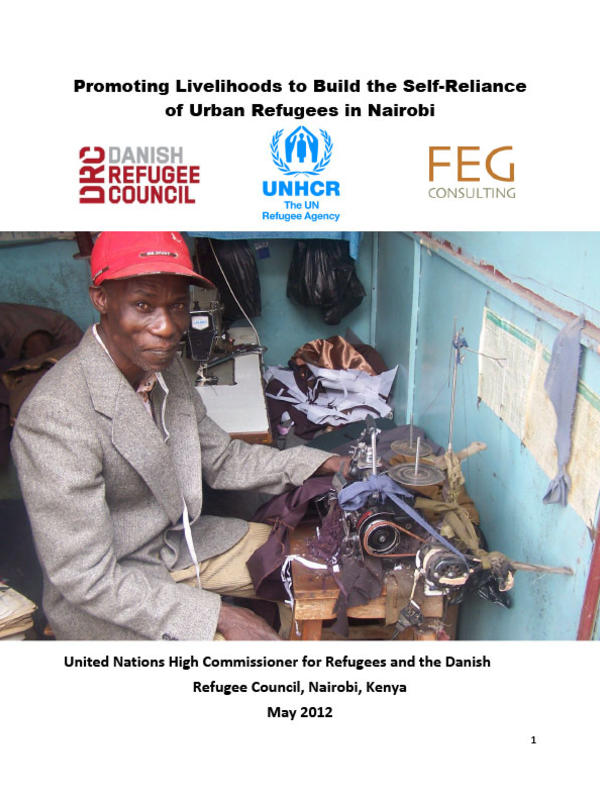
Promoting livelihoods to build the self-reliance of urban refugees in Nairobi

The majority of the urban poor in Nairobi, including asylum seekers and refugees, find employment and self-employment opportunities in the highly competitive informal sector. Poor regulation, poor physical infrastructure and limited access to institutionalized business support services, limit the viability of the informal sector. Those without specialized skills or capital to start a business earn daily wages as casual labourers or as low-level employees. For asylum seekers and refugees the odds are worse, encumbered by a lengthy asylum seeking process, limited engagement with local administrative authorities which deprives them of critical protection and support, and a business community hesitant to engage them as a potential market. Without ownership of fixed assets those seeking to start or grow a business fail to meet the collateral requirements to access business loans. The March 2012 livelihoods baseline indicates that food alone comprises between 45 percent and 55 percent of monthly costs for the very poor. After spending on food and housing, very little remains for other essentials. Additional expenditure on limited health care, hygiene, energy and water deplete the modest monthly wage. UNHCR and the urban refugee’s livelihoods working group are implementing livelihoods projects targeting refugees and Kenyans. With limited funding and experience the UNHCR chaired urban refugee’s livelihoods working group is implementing a range of livelihood support projects. To improve the effectiveness of current livelihoods programming resources are required to build partner technical capacity in designing, implementing, and monitoring and evaluating interventions, institutionalizing the use of best practices and models that are proven to work, and scaling up to reach more beneficiaries.

View online/download
External Link

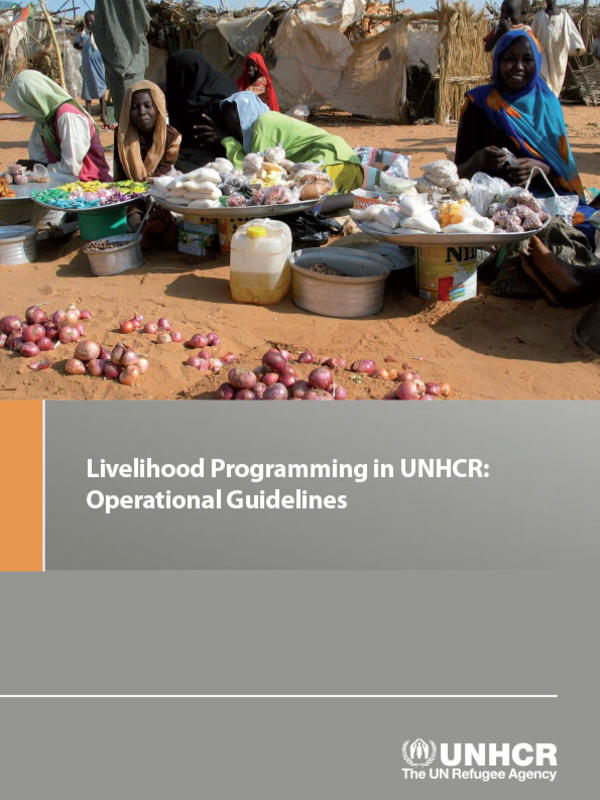
Livelihood programming in UNHCR: operational guidelines

The purpose of these Operational Guidelines is to provide practical guidance and advice to field staff and partners on: 1) UNHCR’s livelihood approach; 2) Key elements of the livelihood programming cycle, and partnership options; 3) The range of livelihood interventions relevant to UNHCR operations. These Operational Guidelines are aimed primarily at UNHCR Field Operations, starting with multi-functional teams (MFT) that include senior managers, Protection, Programme, Community Services, Field and Livelihood Officers, where applicable, as well as government counterparts, operational and implementing partners (IP), and donors. Representatives and senior managers in field operations, regional representations and decision-makers in headquarters are also addressed (see Chapter 1). Staff, partners, and consultants are encouraged to use this document as a reference tool in the process of planning and implementing a comprehensive livelihood strategy. The guidelines also seek to inform UNHCR’s traditional and potential partners about livelihood issues in regard to refugees and the organization’s role in and approach to livelihood programming. New partners may include micro-finance institutions, the private sector, foundations and academic institutions.

View online/download
External Link

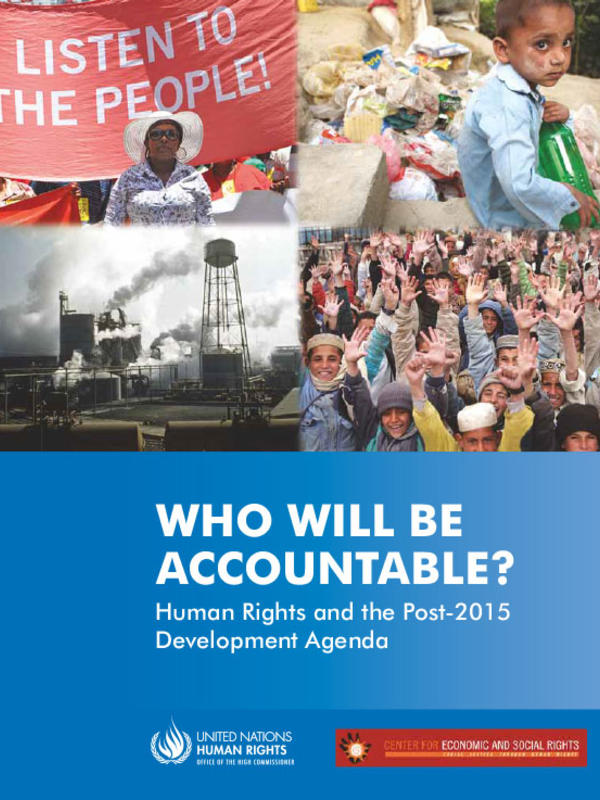
Who will be accountable? Human rights and the post-2015 development agenda

This publication is intended to help fill some of the more pressing accountability gaps that impede the realization of global and national development goals. We approach this challenge from the perspective of human rights, as a universal normative and legally binding framework embodying the minimum requirements of a dignified life, encapsulating universal values that a post-2015 agreement should strive to prioritize and protect as well as essential features of a road map to take us there.

View online/download
External Link

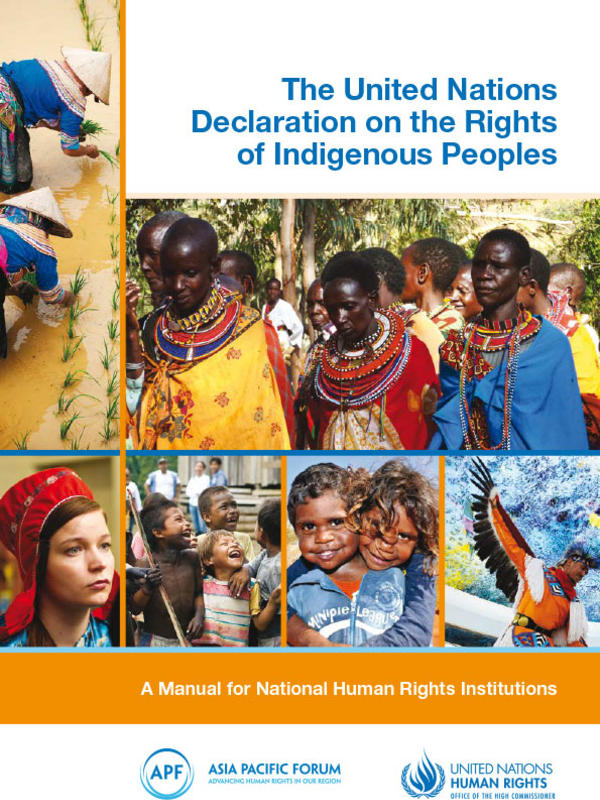
The United Nations Declaration on the Rights of Indigenous Peoples: a manual for national human rights institutions

This Manual aims to support and strengthen the work of national human rights institutions (NHRIs) – whether they are human rights commissions or ombudsman offices – in the promotion, protection and enjoyment of the rights of indigenous peoples, especially NHRIs that are established in accordance with the Paris Principles. It is designed to assist these institutions learn about the United Nations Declaration on the Rights of Indigenous Peoples (the Declaration) by providing a broad understanding of the legal nature of the rights it contains, as well as the relevant obligations of States, in order to ensure that indigenous peoples’ rights are fully realized.

View online/download
External Link

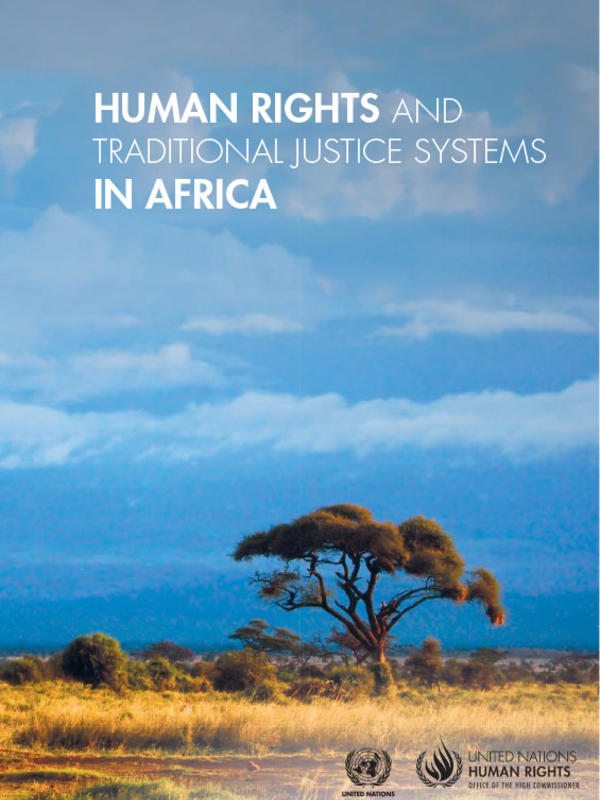
Human rights and traditional justice systems in Africa

This publication examines traditional justice systems in sub-Saharan Africa from a human rights perspective and, in particular, with reference to the rights enumerated in international human rights treaties. These traditional justice systems have historically functioned as an alternative or as a complement to the formal State court system. They are typically based on customary practices, traditions and rules of communities that have, over time, been deemed to be customary law. There may be a significant number of traditional justice systems within a given country, as different communities often have their own customary law. Customary law may be oral or written, and decisions may or may not be recorded as jurisprudence.

View online/download
External Link

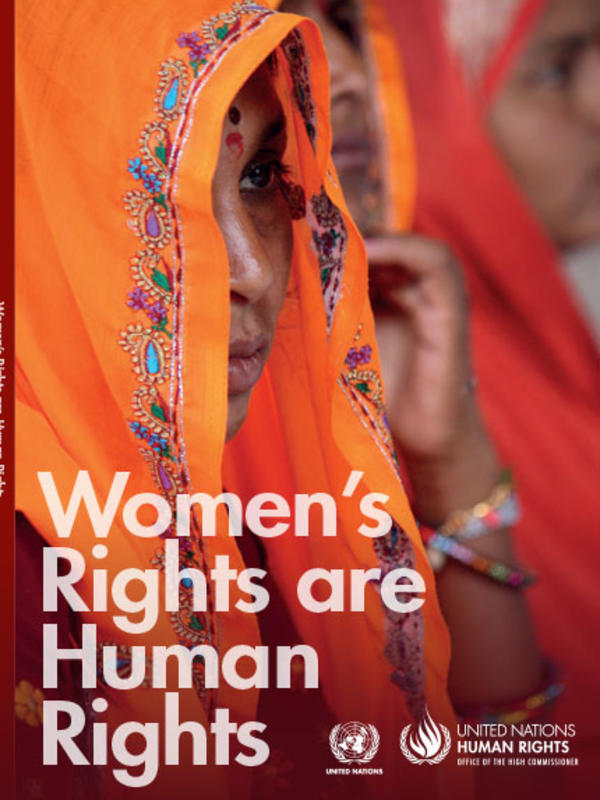
Women's rights are human rights

This publication provides an introduction to women’s human rights, beginning with the main provisions in international human rights law and going on to explain particularly relevant concepts for fully understanding women’s human rights. Finally, selected areas of women’s human rights are examined together with information on the main work of United Nations human rights mechanisms and others pertaining to these topics. The aim of the publication is to offer a basic understanding of the human rights of women as a whole, but because of the wide variety of issues relevant to women’s human rights, it should not be considered exhaustive.

View online/download
External Link

Climate-related security risks: towards an integrated approach

The security implications of climate change have attracted increasing attention in policymaking and research circles since the early 2000s. Since climate change has far-reaching implications for human livelihoods and activities, the potential security implications are broad and complex. Responses from different policy communities—foreign affairs, defence, environmental and development—are therefore required. These communities are currently at different stages of developing strategies to integrate climate-related security risks into their work. This report provides an overview of climate-related security risks and policy responses for addressing those risks. First, it presents findings on six thematic areas in which climate change can pose security risks. Second, it investigates how policy organizations integrate climate-related security risks into their policies and practical work. The analysis provides a deeper understanding of the opportunities and challenges presented by different integration strategies. In doing so, it offers relevant insights and practical alternatives to help address and work with the security risks posed by climate change. This knowledge is prerequisite to policymakers seeking to accurately assess the value of current strategies and identify how policies, strategic guidance, internal organization and procedures could be improved in order to respond better to climate-related security risks.

View online/download
External Link

Smart maps for smart cities: urban India’s $8 Billion+ opportunity

The publication explores how smart maps can help India's cities save 13,000 lives, gain over $8 billion, and reduce one million metric tons of carbon emissions a year.

View online/download
External Link

Supply side: assessing the impact of financial inclusion policies on deepening financial inclusion in Nigeria

Report from Dalberg and Enhancing Financial Innovation and Access explores the effectiveness and growth areas of financial inclusion policies in Nigeria.

View online/download
External Link

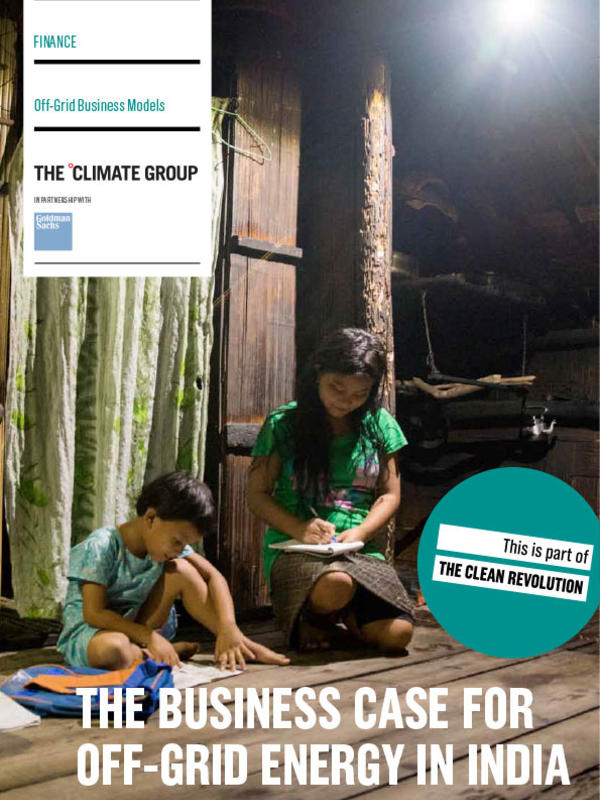
The business case for off-grid energy in India

This report sets out to boost entrepreneurial activity and private sector investment in renewable off-grid energy (OGE) by assessing the market, identifying business models with the greatest potential to achieve scale, and recommending investments that will be catalytic for the sector.

View online/download
External Link

Job creation and youth employment in Nigeria

Dalberg prepared this report for the Office of the Vice President of the Federal Republic of Nigeria, outlining a strategic framework and implementation plan to provide a foundation for long-term transformation of the Nigerian economy.

View online/download
External Link

Protecting people through nature: natural World Heritage sites as drivers of sustainable development

This Dalberg and WWF report shows that natural World Heritage sites support livelihoods for communities, and provide communities with vital protection against the impacts of climate change.

View online/download
External Link

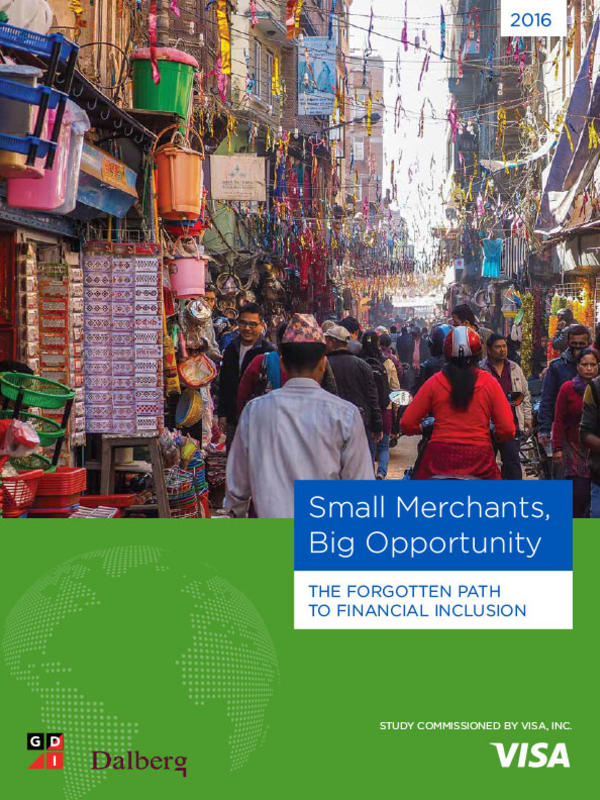
Small merchants, big opportunity: the forgotten path to financial inclusion

A new report - commissioned by Visa and authored by Dalberg and the Global Development Incubator - explores how financial service providers can engage micro and small merchants to unlock the social and economic potential of digital payments.

View online/download
External Link

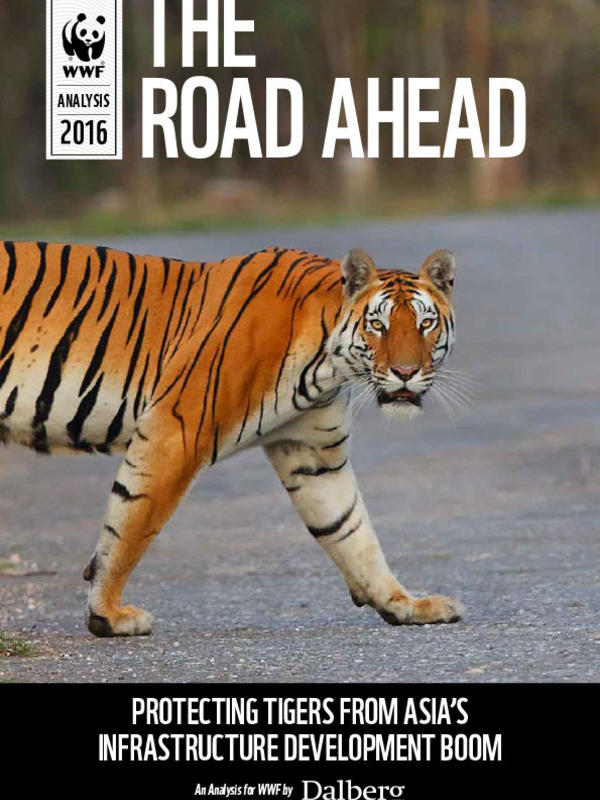
Protecting tigers from Asia's infrastructure development boom

The wild tiger population fell from over 100,000 in 1900s to 3,200 to 2010. A new report, from WWF and Dalberg, discusses how to double the number of wild tigers by safeguarding them from linear infrastructure developments.

View online/download
External Link

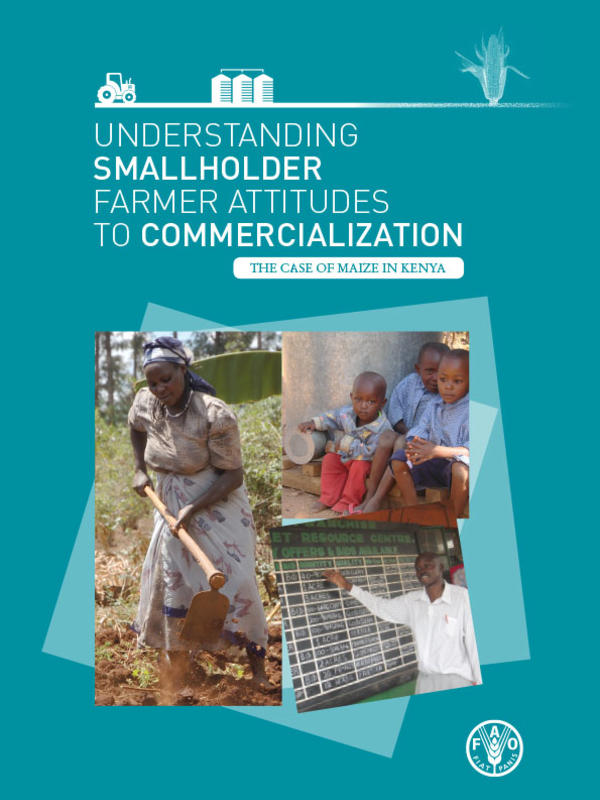
Understanding smallholder farmer attitudes to commercialization

Using the case of maize production in Kenya, this study reframes the challenge of smallholder commercialization in the context of staple food crop production and individual farm-level decision-making by a heterogeneous population of smallholder farmers. While many smallholder growers of staple crops find themselves trapped in a cycle of poverty, they differ greatly in their abilities to break this cycle and in their attitudes towards using commercial farming as the pathway for doing so. With an appreciation for the heterogeneity of smallholder farmers comes an understanding that supporting policies and programmes must move from traditional one-size-fits-all approaches to more targeted, customized approaches that are more likely to facilitate the sustainable uptake of a more commercially oriented approach to smallholder farming. Based on extensive primary data analysis, various innovative options for such strategies are presented in this study.

View online/download
External Link

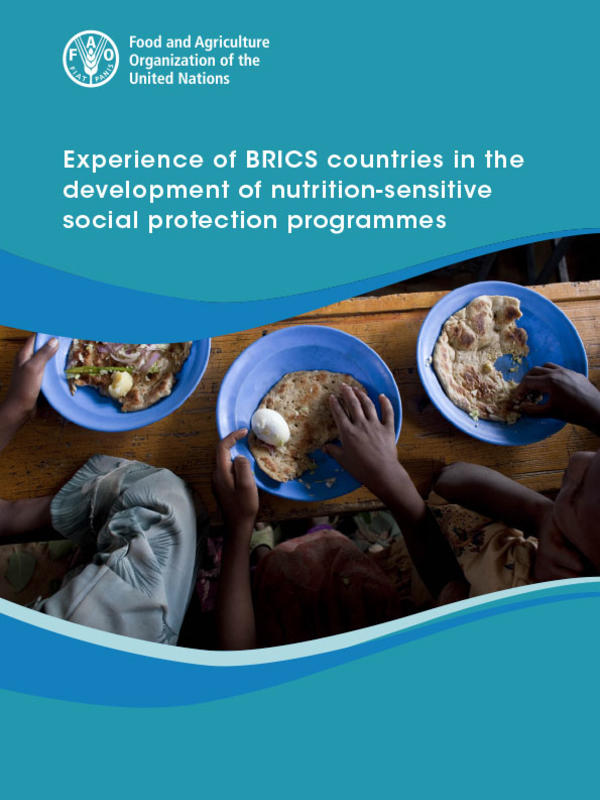
Experience of BRICS countries in the development of nutrition-sensitive social protection programmes

Building on the momentum created by ICN2, the BRICS countries have actively participated in and facilitated global discussions on nutrition-sensitive social protection; in particular, during the Global Forum on Nutrition-Sensitive Social Protection, held in Moscow, Russian Federation, from 10 to 11 September 2015, which brought together policy-makers, researchers and experts in the areas of nutrition and social protection from 27 countries.

View online/download
External Link

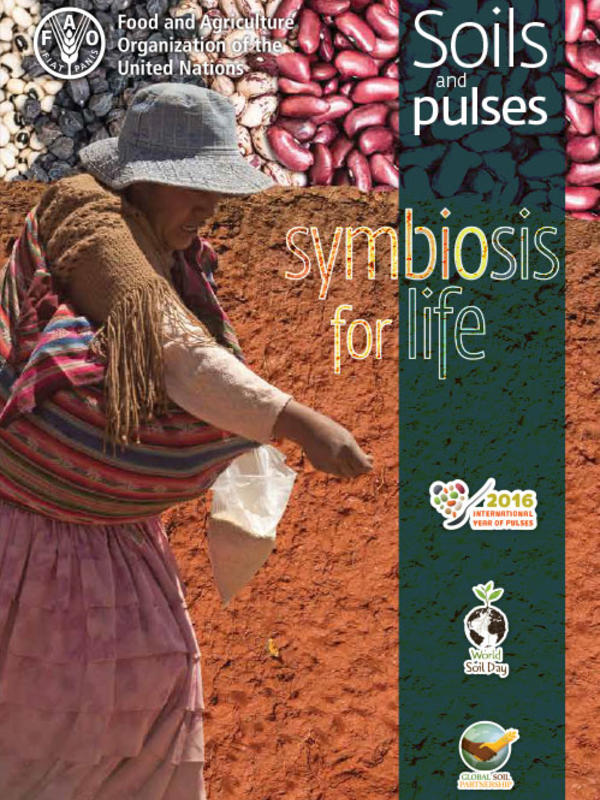
Soils and pulses: symbiosis for life

This booklet aims to introduce the reader to the importance of preserving our soil resources by attending to the reciprocal relationship between soils and pulses. The ecosystem services provided by soil are presented together with the role of pulses in improving soil health, adapting to and mitigating climate change, and ultimately contributing to food security and nutrition. The book also discusses the role of pulses in restoring degraded soils and their contribution to pursuing the practice of sustainable soil management.

View online/download
External Link

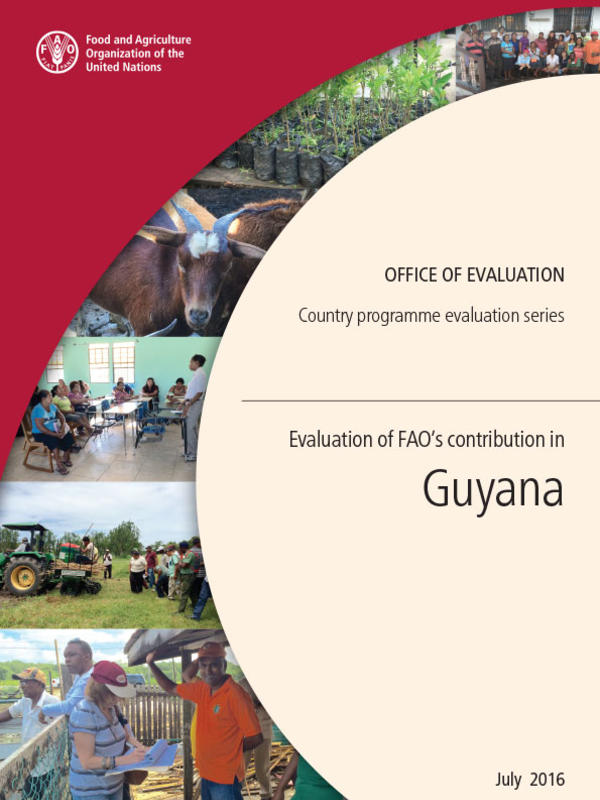
Evaluation of FAO’s contribution in Guyana

The Country Programme Evaluation of FAO’s contribution in Guyana was conducted in 2015 with the main aim of informing the development of the new CPF cycle starting in 2016. It is intended that this exercise will provide inputs to better orient FAO’s programme in the next biennium, making it more relevant to the government priorities for the country. The evaluation was also intended to assess the strategic relevance in the national context of FAO’s programmes and interventions in Guyana.

View online/download
External Link

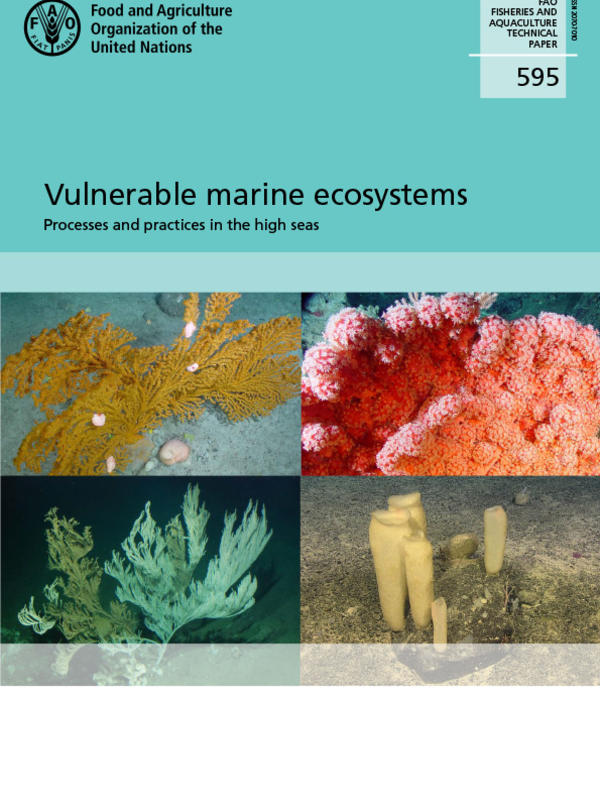
Vulnerable marine ecosystems: processes and practices in the high seas

The management of bottom fisheries and the protection of ecosystems in the high seas have received increased attention at the international level during the last decade, and in particular subsequent to the passing of UNGA Res. 61/105 that called for actions by Regional Fisheries Management Organizations or Arrangements (RFMO/As) with the competence to regulate bottom fisheries to take actions by the end of 2008 to address issues relating deep-sea fisheries and vulnerable marine ecosystems. FAO developed, through a consultative process, the “International Guidelines for the Management of Deep-Sea Fisheries in the High Seas” that were adopted in 2008. These assisted States and RFMO/As to undertake the actions called for by the UNGA. The present publications provide an overview of how States and RFMOs to date have tried to implement the above resolution and applying the technical guidance contained in the FAO DSF Guidelines with respect to Vulnerable Marine Ecosystems. It details VME processes undertaken globally in ABNJ. The publication is composed of regional chapters, describing the processes and measures adopted in the different ocean regions, pulling these together in a global overview. This will form a sister volume to the “Worldwide review of bottom fisheries in the high seas” (WWR) that was first published by FAO in 2009.

View online/download
External Link

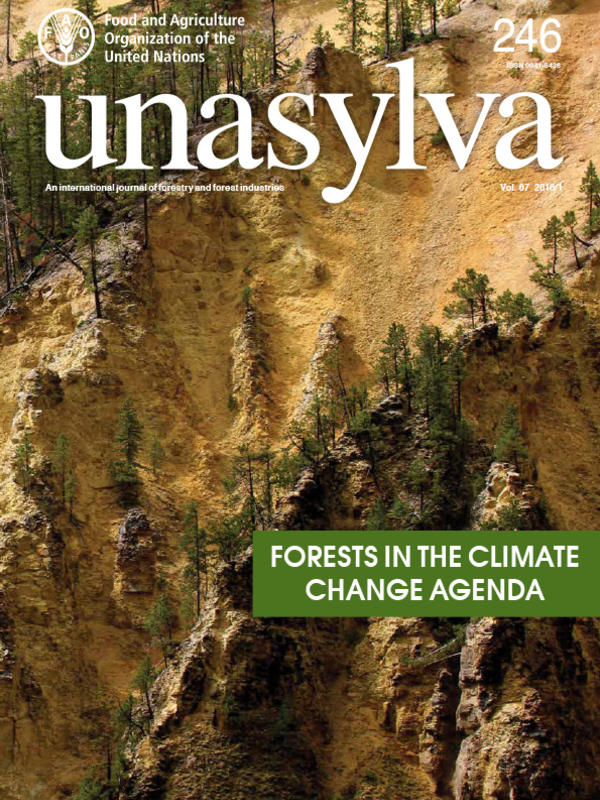
Forests in the climate change agenda

Where do forests and forestry stand today in international climate change negotiations? What exactly does it mean to reduce emissions from deforestation and forest degradation (REDD+)? What are the opportunities and risks for forests in today’s changing climate and is there a clear path forward? The articles in this issue address these and other questions.

View online/download
External Link

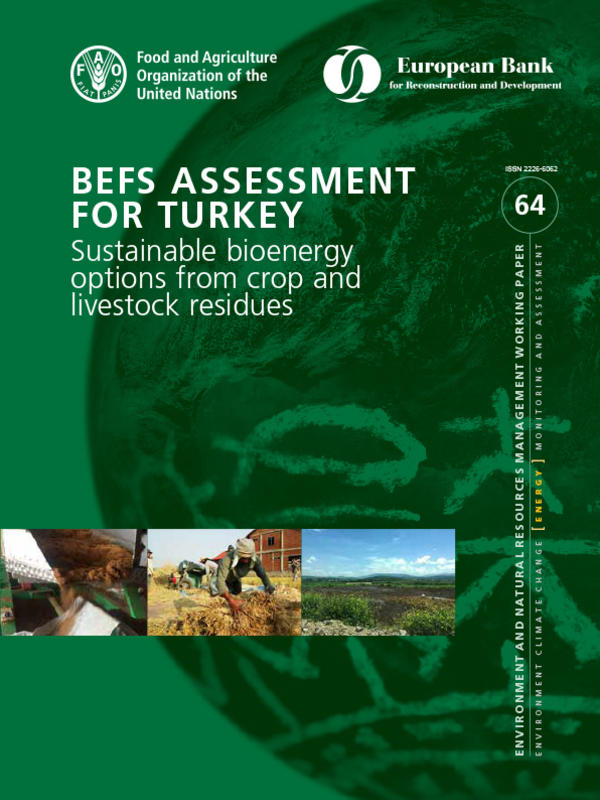
Bioenergy and food security assessment for Turkey

This report was developed under the FAO EBRD project on bioenergy with the aim to support decision-making related to bioenergy investment in countries of operations of the EBRD. Turkey, a country of operation, has a large agriculture sector, the requirement to produce 20 percent of its electricity from renewable energy and diversify its energy mix, which currently heavily relies on imported fossil fuels. This report presents the results from the country level assessment to identify the potential to produce bioenergy from crop and livestock residues. The analysis shows there is significant potential in Turkey, identifies the type of suitable feedstock, the most promising locations and profitable bioenergy pathways. The report also provides recommendations for the required next steps to move the development of the specific bioenergy sector forward. The work was implemented in close collaboration with the Ministry of Agriculture and Ministry of Turkey, and other key stakeholders.

View online/download
External Link

Non-wood forest product value chains in Lebanon

This report triangulates qualitative and quantitative primary and secondary data to analyze Lebanon’s main NWFPs value chains: pine nuts – Pinus pinea -, honey, Syrian oregano and sage – Origanum syriacum and Salvia fruticosa -, and laurel - Laurus nobilis. For each value chain, the report proposes recommendations for the development of innovative and adaptive interventions that allow for the improvement of forest-based sustainable livelihoods.

View online/download
External Link


Suggest a publication

Feel free to submit a publication.

Submit here