Languages

Topbar Menu EN

The SDG Fund is operationally closed. This site is alive for knowledge and dissemination purposes.
Warning: This website is closed. Be aware of phishing or social engineering fraudulent requests of payments or certificates. Explore our programme areas.
Please visit jointsdgfund.org
Search our database of publications


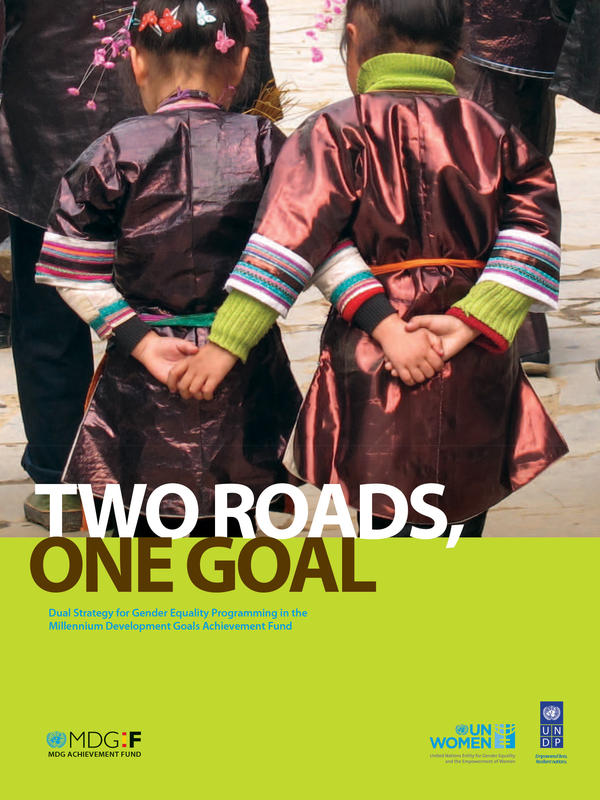
Two roads, one goal: dual strategy for gender equality programming

This document present the initial findings of the UNDP and UN Women’s analyses of 13 targeted joint programmes that promoted gender equality as a central goal, and a gender-mainstreaming effort within 117 MDG-F joint programmes that targeted other development areas - in line with its commitment to gender equality as a prerequisite for achieving all MDGs. This publication also presents the largest-to-date study that examines the effectiveness of combining targeted and gender-mainstreaming interventions to promote gender equality through a joint programming modality. It is hoped that the findings and recommendations presented in the following pages can substantively contribute to propelling accountability and coherence of the United Nations effort to promote gender equality through joint programming.

View online/download
English

Assessment of TASAF PSSN in Tanzania Using the ISPA-PWP Tool

This assessment was carried out with an end view to contribute to enhanced delivery and effectiveness of Tanzania’s Productive Social Safety Net (PSSN) - Public Works Program (PWP), and strengthen its social protection impact in the country by applying the Inter-Agency Social Protection Assessment-Social Protection Public Works Programmes (ISPA-PWP) Tool. The tool is a product of a multi-agency collaboration, to provide options for countries to assess performance of public works and help them improve their social protection system. The assessment was made possible through collaborative work among development partners under the Inter-Agency Social Protection Assessment (ISPA) and government through TASAF.

View online/download
English

Social protection in an electorally competitive environment (1): The politics of Productive Social Safety Nets (PSSN) in Tanzania

Social protection has become a more important part of social service delivery in Tanzania over the last couple of decades. This paper analyses the politics behind the making and implementation of the Productive Social Safety Nets (PSSN), a cash transfer scheme that became part of a broader, existing scheme aimed at poverty reduction and rural development, TASAF I-III. We trace the interrelationship between the domestic policy process and the shifting influence of transnational ideas. We argue that the introduction of TASAF and later PSSN was strongly influenced by international trends, driven by a policy coalition of bureaucrats and development partners, but that it was sanctioned by the country’s political elites, who at times used the programmes for electoral purposes. This happened for instance by influencing the scale and speed of PSSN’s implementation prior to the national elections in 2015, despite a tradition of scepticism towards cash transfers within the ruling CCM party. Recently, President John Magufuli’s more productivist ethos, emphasising the importance of work, poses a threat to the programmes’ continuation. This may also reduce the targeting of the poorest of the poor, which constitutes a major element of PSSN as we know it.

View online/download
English

UNICEF Report 2017 Tanzania

UNICEF Tanzania’s work in 2017 ranged from generating strategic data and information for policy advocacy and for sharpening programmes to strengthening systems for delivering services to Tanzania’s most disadvantaged children.

View online/download
English

Policy transparency in the public sector The case of social benefits in Tanzania

A well functioning system of public service delivery requires the definition and measurement of eligibility for services to be determined in a transparent and non-discretionary manner. This paper uses the case of the Productive Social Safety Net in mainland Tanzania to explore factors that hinder the achievement of this objective. The eligibility criteria for the Basic Cash Transfer and Variable Cash Transfer benefits are presented, and four aspects of the eligibility criteria are highlighted that compromise transparency: community targeting, the proxy means test, the imposition of conditionalities, and the fluid nature of the eligibility documentation. The issues were encountered during the design phase of a tax and benefit microsimulation model for Tanzania and all pose challenges for policy transparency. The authors argue that there are many ways in which transparency and clarity can be enhanced in relation to social benefit policy design and implementation, and that such improvements will greatly assist the public sector in ensuring that people in Tanzania receive the support they need.

View online/download
English

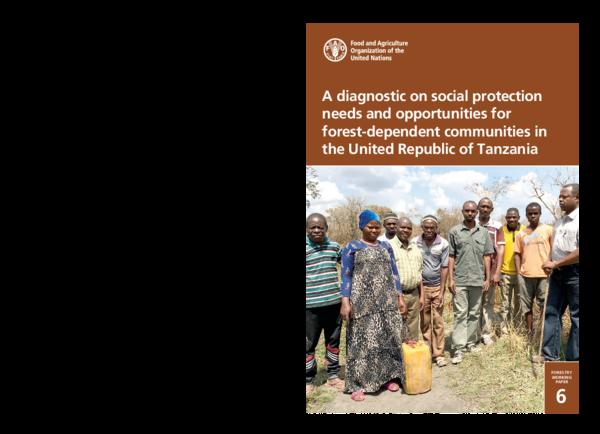
A diagnostic on social protection needs and opportunities for forest-dependent communities in the United Republic of Tanzania

This study is aimed at gaining an understanding of the poverty and vulnerability situation of forest-dependent communities in the United Republic of Tanzania and generating information on the availability of social protection interventions, with a view to identifying pathways for establishing sustainable social protection for these communities.

View online/download
English

UNICEF Tanzania Youth Study of the Productive Social Safety Net (PSSN) Impact Evaluation: Endline Report 2017

This report provides endline results of the impact evaluation of the Government of the Republic of Tanzania’s Productive Social Safety Net (PSSN) on Tanzanian youth. The impact evaluation is an 18- month, mixed methods study to provide evidence on the effects that the programme has had on youth wellbeing and the transition to adulthood. The study was conducted among a sample of households comprising part of the 4th and 5th scale-up waves of the PSSN in 2015. For the study we conducted two waves of data collection: a baseline in August – October 2015 and an endline from March – May 2017. In both waves of data collection, quantitative and qualitative interviews were conducted with youth who were between the ages of 14 and 28 years at baseline (15 – 30 years at endline). The qualitative interviews were embedded into the quantitative study design, meaning that 16 youth from study households were selected to participate in in-depth qualitative interviews to help unpack pathways of impact and provide a deeper understanding of how the PSSN affects the lives of youth in participating households. At endline, households had received on average 10 bi-monthly cash payments.

View online/download
English

SUN Report 2017

SUN Country Profiles provides an overview of progress toward achieving the SUN Movement’s strategic objectives in 59 SUN Countries in 2016-2017. In 2017, a record-breaking 52 countries undertook the Joint-Assessment Exercise. They did this with the participation of the different constituencies reflected within their national SUN Movement platforms. These include participants from sectoral ministries and parts of government, as well as representatives of donor agencies, civil society organisations, UN agencies and businesses.

View online/download
English

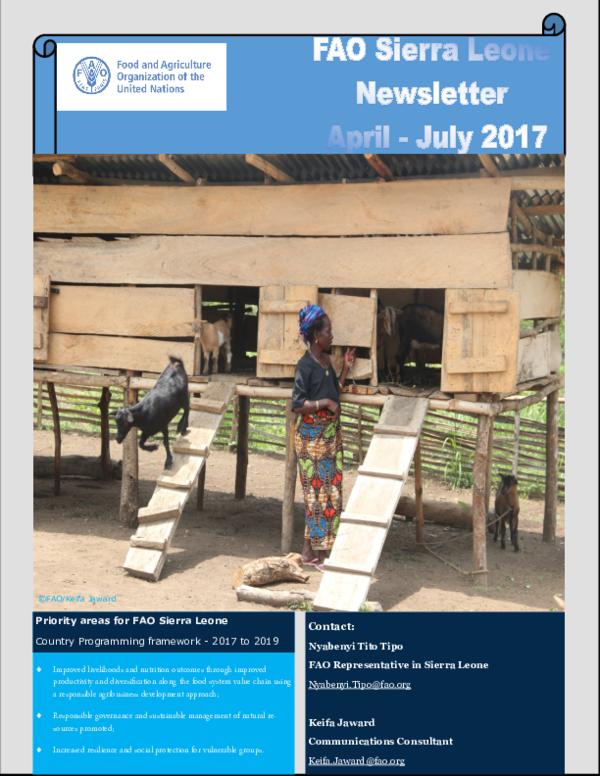
FAO Sierra Leone Newsletter April-July 2017

The Sierra Leone representation of the Food and Agriculture Organization of the United Nations (FAO) has sets out three priori-ties in its new Country Programming Framework (CPF) to guide its partnership and support with the Government of Sierra Leone and other development partners from 2017 to 2019. Improved livelihoods and nutrition outcomes through improved productivity and diversification along the food system value chain using a responsible agribusiness development approach; Responsible governance and sustainable management of natural re-sources , and increased resilience and social protection for vulnerable groups constitutes the three priorities under this CPF

View online/download
English

Pacific Community Farmer Chef Market Linkages Event - AgriTourism Week July 2015

The first ever Pacific Community Agritourism Week on 29 June to 3 July 2015 was a collaborative effort by regional development partners including the Secretariat of the Pacific Community (European Union-funded intra-ACP Agriculture Policy Project), the South Pacific Tourism Organisation (SPTO) (EU-funded Pacific Regional Capacity Building Programme), the Pacific Islands Private Sector Organisation (PIPSO), University of the South Pacific (USP) and the ACP-EU Technical Centre for Agricultural and Rural Cooperation (CTA), and the SPC. The Pacific delegates were joined by experts from the Caribbean and the Indian Ocean.

View online/download
English

UNDP Water, Sanitation and Hygiene Portfolio – Accelerating MDG Progress through Governance Reform and Local Action

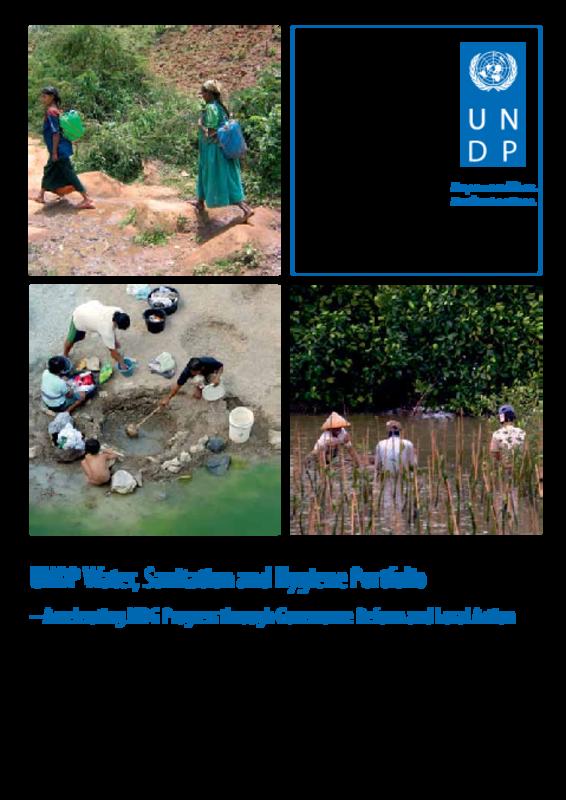
Through programmes like MDG GoAL WASH, Cap-Net, the Community Water Initiative, Every Drop Matters, the MDG Spanish Fund, and the Millennium Acceleration Framework, UNDP promotes and facilitates equitable access to water and sanitation services as a fundamental contribution to enhancing human development. Sanitation remains one of the two most off-track MDG targets, with almost 2.6 billion people lacking the most basic of facilities. And while the world as a whole may have met the water supply MDG target, there are vast disparities in several regions and in individual countries in all regions. Furthermore, climate change and over abstraction of groundwater resources threaten to reverse this achievement.

View online/download
English

Philippines: Sanitation, drinking-water and hygiene status overview

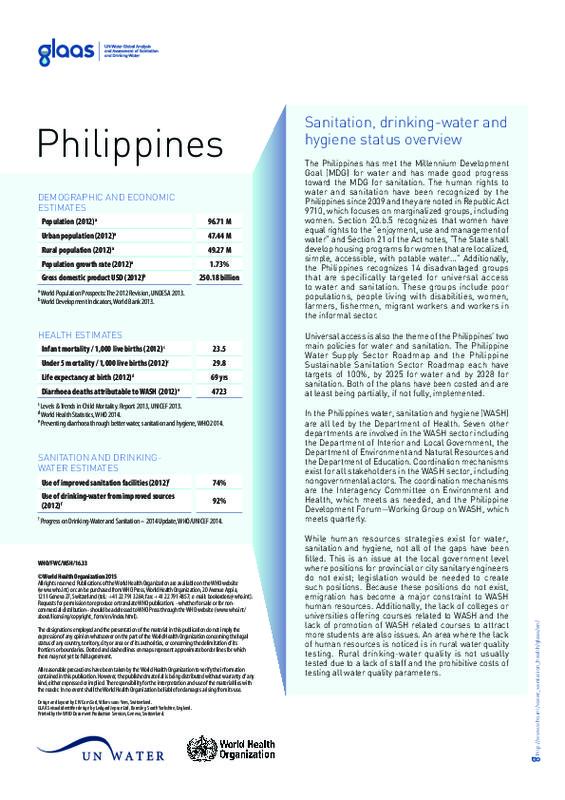
The Philippines has met the Millennium Development Goal (MDG) for water and has made good progress toward the MDG for sanitation. The human rights to water and sanitation have been recognized by the Philippines since 2009 and they are noted in Republic Act 9710, which focuses on marginalized groups, including women. Section 20.b.5 recognizes that women have equal rights to the “enjoyment, use and management of water” and Section 21 of the Act notes, “The State shall develop housing programs for women that are localized, simple, accessible, with potable water…” Additionally, the Philippines recognizes 14 disadvantaged groups that are specifically targeted for universal access to water and sanitation. These groups include poor populations, people living with disabilities, women, farmers, fishermen, migrant workers and workers in the informal sector.

View online/download
English

The Impact of WASH on Key Health & Social Outcomes

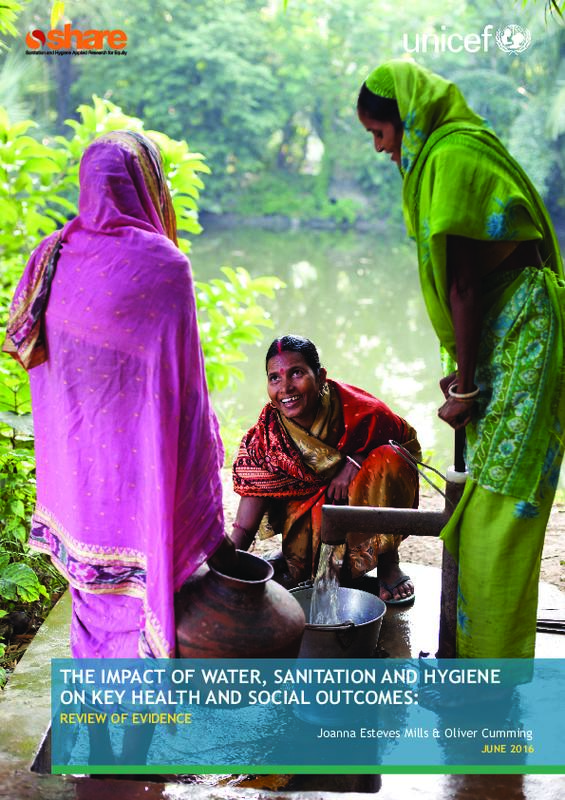
This evidence paper looks at 10 areas identified collaboratively with the United Nations Children’s Fund (UNICEF) on which WASH can plausibly have a strong impact: diarrhoea, nutrition, complementary food hygiene, female psychosocial stress, violence, maternal and newborn health, menstrual hygiene management, school attendance, oral vaccine performance, and neglected tropical diseases. Together, these areas cover the most significant sector outcomes associated with the distinct life course phases that UNICEF seeks to help to address through its WASH activities. UNICEF’s strategic vision on WASH is to achieve universal and sustainable water and sanitation services and the promotion of hygiene, with a focus on reducing inequalities especially for the most vulnerable children, wherever they are; both in times of stability and crisis.

View online/download
English

Strengthening coherence between agricultural and social protection programmes Peru country case study report

The From Protection to Production (PtoP) programme, jointly with the United Nations Children’s Fund (UNICEF), is exploring the linkages and strengthening coordination between social protection, agriculture and rural development. This study, commissioned by From Protection to Production (PtoP), took place in Peru between 13 and 25 May 2015, with field work in Andahuaylas Province, Apurímac Region. The team comprised Álvaro Espinoza, a local consultant, and Steve Wiggins from ODI. The study focused on two research questions: What has been learned from efforts to achieve coherence between agricultural and social protection policies and programmes? How can these lessons and insights contribute to achieving more and better coordination between the sectors? The study looked particularly at the links between a conditional cash transfer programme, Juntos, and three largely agricultural programmes, Haku Wiñay, Agrorural and Aliados II.

View online/download
English

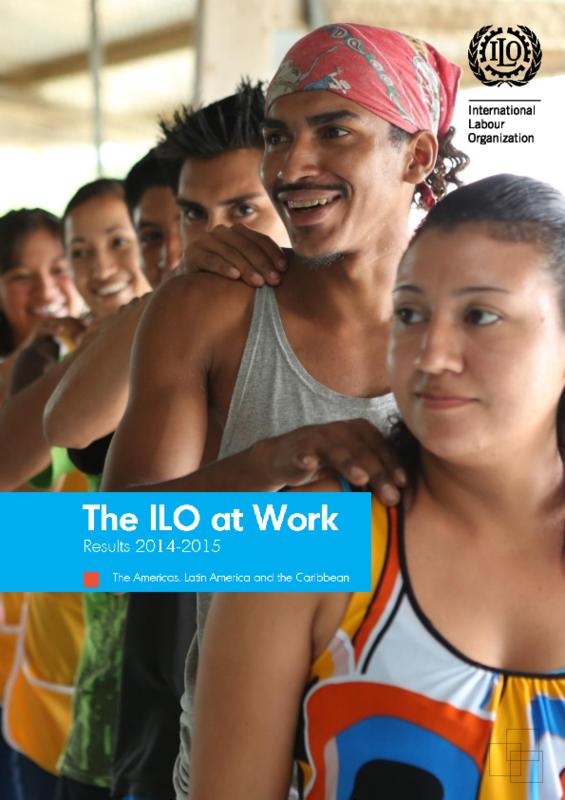
The ILO at work 2014-2015: THE AMERICAS: LATIN AMERICA AND THE CARIBBEAN

A key challenge for Latin America and the Caribbean is formalization, considering that half of the region’s workforce – around 130 million people – find themselves in the informal economy, often earning less than the minimum wage and without access to social protection. Through its Regional Programme for the Promotion of Formalization in Latin America and the Caribbean (FORLAC), the ILO has developed several initiatives that have led to legislative and policy changes in Argentina, Brazil, Colombia, Mexico and Peru. Social actors across the region have also been active on this front. In 2015, for example, the Jamaica Employer’s Federation, with ILO support, adopted a gender-sensitive policy on the transition to formality – with guidance to support its members towards business formalization.

View online/download
English

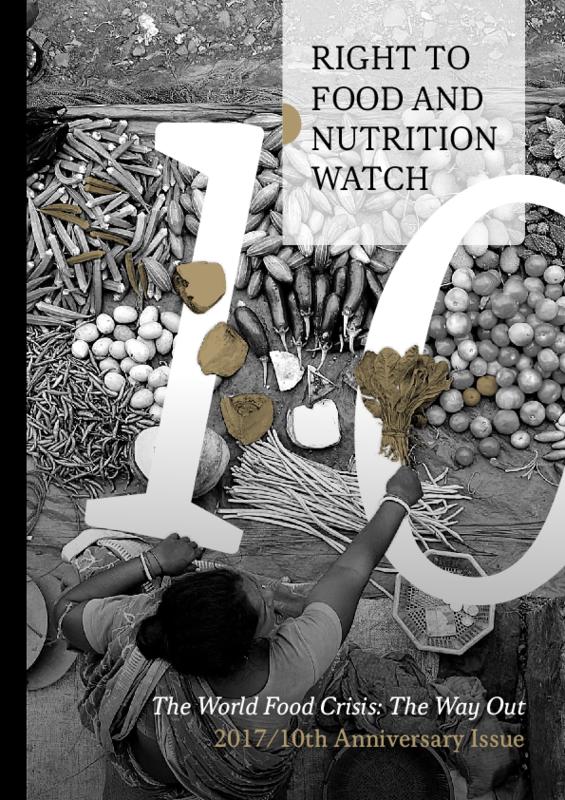
The Right to Food and Nutrition Watch 2017

The Right to Food and Nutrition Watch was launched by eight CSOs ten years ago, amidst the crisis, with the goal of strengthen the monitoring and accountability for the right to food and nutrition. Ten years later, despite some progress, many of the problems that led to the crisis in the first place persist. Social movements and civil society organizations (CSOs) are keeping up their struggle to transform food systems. They demand systemic transformations for a transition to sustainable production, distribution and consumption models, based on solidarity, social, environmental and gender justice, and the guarantee of the rights to food and nutrition, water, land and other territories, as well as the rights to health, social security and a healthy environment. Peoples’ sovereignty and human rights are key to achieving this—monitoring and accountability as well.

View online/download
English

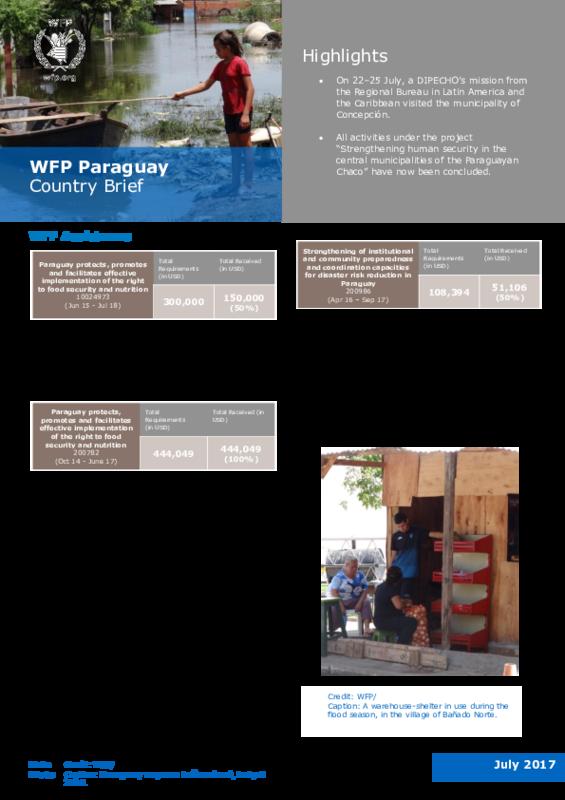
WFP Paraguay Country Brief 2017

This brief describes the interagency project, funded by the Sustainable Development Goals Fund, integrates the efforts of FAO, WHO, UNICEF and WFP, who promote local food production, with an emphasis on risk management among indigenous populations.

View online/download
English

Creating one-stop-shop for sustainable businesses

The Food and Agriculture Organization of the United Nations (FAO) is working to improve the livelihoods of Palestinian women by enhancing the capacities of women cooperatives and associations involved in food processing, supporting them to develop marketable and exportable products along with supporting the government to develop a regulatory environment for the protection of local production and the establishment of incentives for women cooperatives. FAO has facilitated the establishment of two business-shops in the North and South of the West Bank for assembling, testing, and packaging and selling women’s cooperative products.

View online/download
English

ILO Palestinian Decent Work Programme 2018 – 2022

The International Labour Organization’s (ILO) longstanding commitment to social justice for the Palestinian people started over three decades ago – at the 66th session of the International Labour Conference in 1980 – with the adoption of a resolution mandating the production of an annual report on the situation of workers in the Occupied Palestinian Territory (OPT). The ILO Second Decent Work Programme (DWP) 2018-2022 aims to support the State of Palestine’s National Policy Agenda (NPA) (2017-22): Putting Citizens First with its three main pillars: i) Path to Independence, ii) Ending Occupation and iii) Sustainable development. It also aligned with the Labour Sector Strategy and the Social Protection Sector Strategy.

View online/download
English

Aid for Trade IN ACTION Partnering with ITC

The proposals in this booklet present a systematic approach to meeting ITC’s funding needs and delivering on the growing demand from our clients. These focus areas are not only a means to present ITC’s services and projects, but also represent themes around which support could be provided to ITC.

View online/download
English

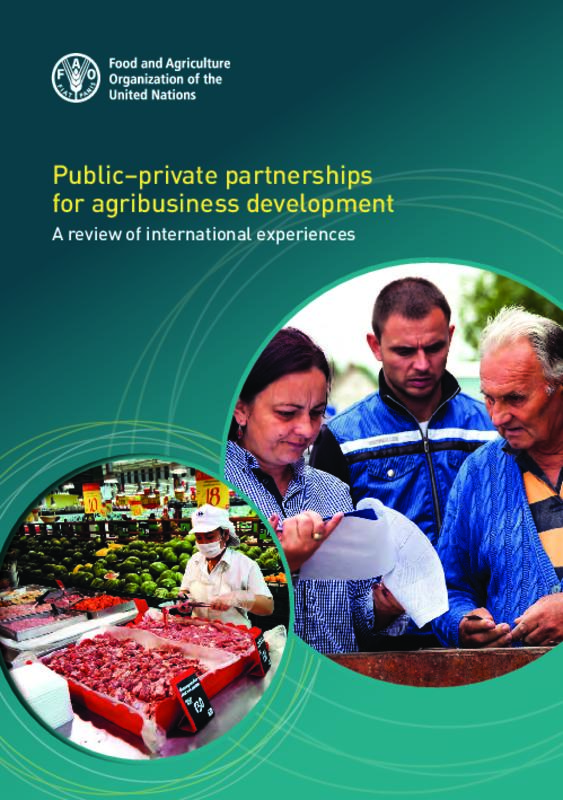
Public–private partnerships for agribusiness development: A review of international experiences

To improve understanding of both the potential benefits and the challenges of agri-PPPs, the FAO has gathered 70 case studies from 15 developing countries along with evidence from field-based support to PPP initiatives for agribusiness development in Central America and Southeast Asia. This publication provides a review of this wealth of practical information. Its primary objective is to draw lessons that can be used to provide guidance to FAO member countries on how to establish effective partnerships with the private sector to mobilize support for agribusiness development. Particular attention is therefore given to analysing the existing enabling environment for agri-PPPs, the expected benefits to be achieved from these partnerships, the roles and functions of the partners, major challenges encountered, and the performance and development outcomes that resulted. Attention is also given to defining the types of public skill and the institutions required to support agri-PPPs and the circumstances under which PPPs are likely to be the best modality for achieving agribusiness outcomes.

View online/download
English

UNICEF Annual Report 2016 Mozambique

The situation in Mozambique was made more challenging by onset of the worst drought Mozambique has faced in 35 years. In 2016, the drought severely affected 1.5 million people with negative outcomes for food and nutrition security. UNICEF Mozambique provided significant support to the response efforts, leading the water, sanitation and hygiene (WASH), nutrition, education and protection clusters. Around 23,960 people were provided with access to safe water with five million cubic metres of water and drilled/ upgraded water points in 18 drought- affected districts. Together with the Ministry of Health, UNICEF Mozambique supported training of 36 health and nutrition mobile brigades to undertake community outreach, including screening, referral and treatment of children with severe acute malnutrition (SAM), screening 118,000 children and treating 15,000 acutely malnourished children.

View online/download
English

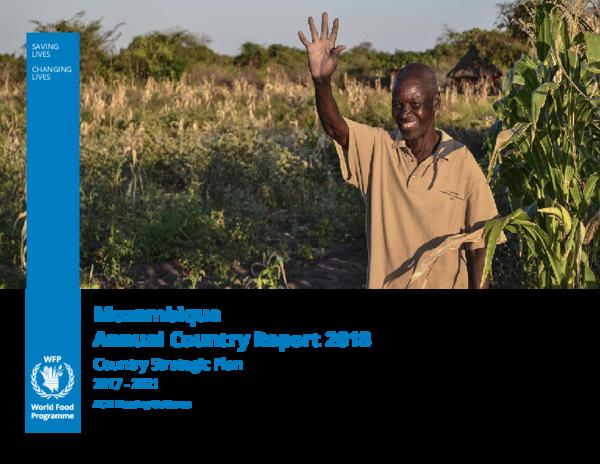
WFP Mozambique Annual Country Report 2018

This report describes the work of WFP in Mozambique in 2018. This year was a year of change and challenge for WFP in Mozambique, as it consolidated a transition to the 2017-2021 Country Strategic Plan (CSP) in alignment with the Government’s Vision 2025 and Five-Year Plan (2015–2019). This transition involved reinforcing efforts to strengthen the capacity of government institutions associated with social protection, food security and nutrition, school feeding and emergency response. The introduction of innovative practices and technologies was a key priority, and included the use of drones, mobile vulnerability analysis and mapping (mVAM) and cash-based transfers (CBT).

View online/download
English

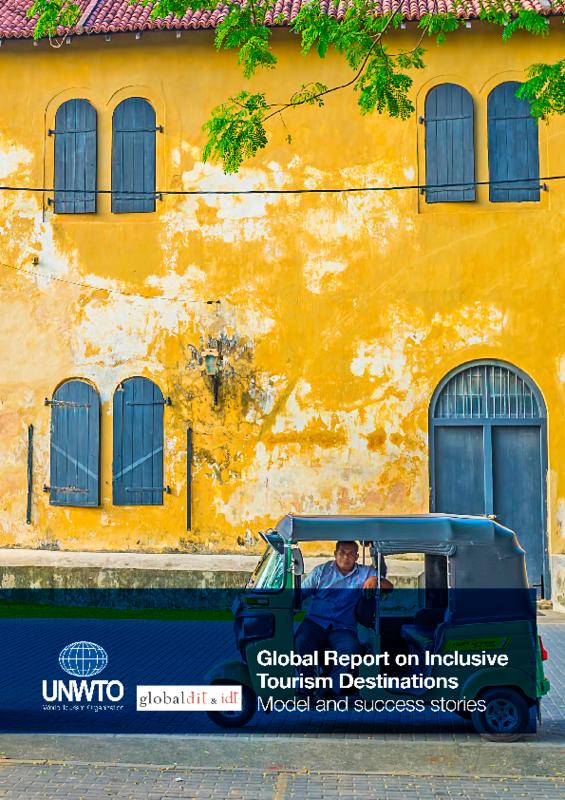
UNWTO – Inclusive Tourism Report 2018

Global Report on Inclusive Tourism Destinations Model and success stories.

View online/download
English

UNICEF Annual Report 2017: Guatemala

This report describes the work of UNICEF in Guatemala in 2017. The multiple social and political crises in 2017 resulted in extreme institutional instability (frequent changes of ministers and high-level government officials), social unrest (different demonstrations against the Government and against parliament), and a structural governance crisis (harsh conflicts among the three branches of Government, clash between the Government and the Commissioner of the International Commission against Impunity in Guatemala). This in turn resulted in frequent changes in policy design, blockage to legal reforms, slow execution of public budgets and, ultimately, slow progress or stagnation in the provision of basic social services for children. This instability had a significant impact on the implementation of the UNICEF country programme as well.

View online/download
English


Suggest a publication

Feel free to submit a publication.

Submit here