Languages

Topbar Menu EN
The SDG Fund is operationally closed. This site is alive for knowledge and dissemination purposes.
Warning: This website is closed. Be aware of phishing or social engineering fraudulent requests of payments or certificates. Explore our programme areas.
Please visit jointsdgfund.org

Search our database of publications


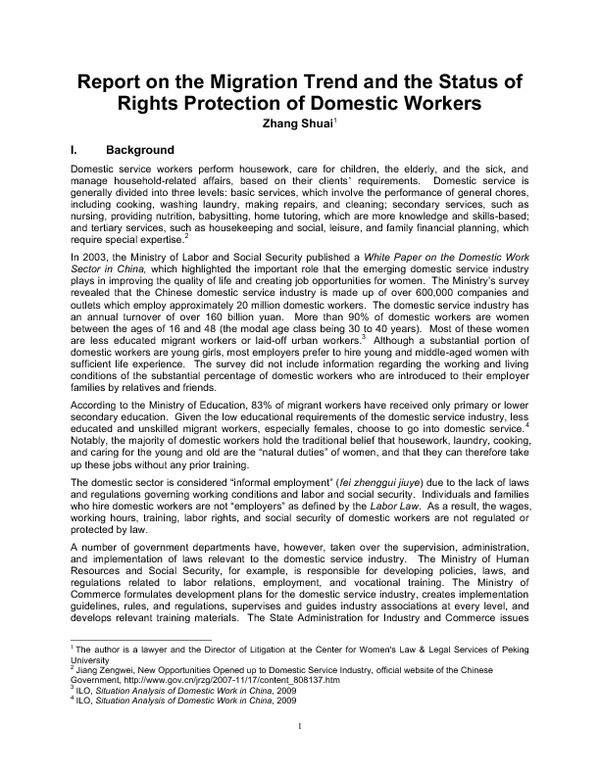
Report on the migration trend and the status of rights protection of domestic workers in China

This report provides an overview of the characteristics of the domestic services industry in China and analyses the results of over 3000 questionnaires and interviews in 3 cities. The goals were to identify the challenges confronting the domestic service industry, how extensive their effects were and discover if there was any change to the movement patterns and rights of domestic workers in recent years. This report can be used by development practitioners focused on women’s empowerment and seeking insight into a domestic services industry from the perspective of the workers themselves. It also contains a list of recommendations for policy makers at the National and State level in China.

View online/download
English

Good practices in providing integrated employment and social services in Central and Eastern Europe

This study focuses on strengthening and improving the position of vulnerable groups of unemployed youth by implementing coordinated and integrated social, employment and educational services. It presents an extensively researched pilot model to be tested in Serbia, but the insights gained can be scaled across the globe. It also presents a brief overview of Leutz’s “Five Laws” for Integrating Medical and Social Services, such as “You can integrate some of the services all of the time, all of the services some of the time, but you cannot integrate all of the services all of the time.”

View online/download
English

Reforming the Serbian public employment service to improve service delivery to disadvantaged youth

This report reviews the type and sequence of employment services offered to disadvantaged youth in Serbia with a view of improving their effectiveness and also presents a brief overview of a two-day workshop that was conducted on monitoring and evaluation of active labour market programmes. A detailed analysis of the challenges facing employment counselors and offers recommendations on how to improve employment service delivery through means such as responsibility-sharing with other service providers and early identification of job seekers’ needs.

View online/download
English

Impact of the financial crisis on the labour market and living conditions outcomes in Serbia

This study provides an in depth analysis of the Serbian labor market in the pre-crisis and post-crisis years. The global financial crisis of 2008-2009 impacted nations across the world and this document details how the crisis unfolded in Serbia and explains why labor market conditions did not deteriorate as drastically as in other countries. This document will be useful for economists and practitioners who are seeking to understand the internal dynamics of the Serbian labor market.

View online/download
English

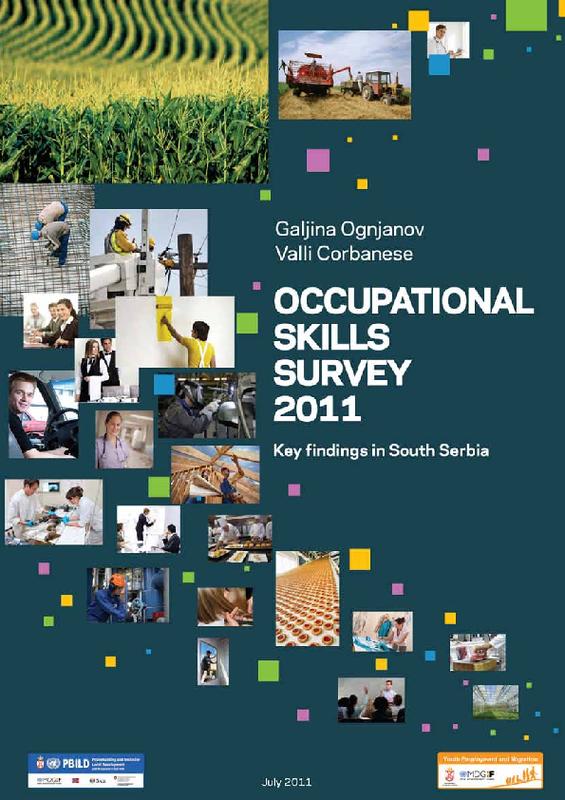
Occupational skills 2011: key findings in south Serbia

This survey was aimed at identifying the economic sectors, occupations and skills most demanded by enterprises in South Serbia. It identified micro and small size enterprises as the most dynamic sectors in the medium term and noted that a number of occupational profiles appear to be particularly resilient in the South Serbian labour market (sales, office and accounting clerks, and food production occupations). A list of recommended policy options was also produced that included suggestions such as targeted interventions by providing tax incentives to micro and small businesses. This document is primarily intended for development practitioners and local and state ministries in Serbia, however, it may be of use to any practitioner implementing a market needs assessment in other locations as well.

View online/download
English

Functional adult literacy programme manual

This manual equips literacy trainers with the necessary skills and knowledge needed to train and facilitate literacy learning to adults. It is designed as a 2 week course with 10 main objectives and provides insight into how adults learn and the importance of context in designing lessons plans.

View online/download
English

Manual for conducting market assessments

A market assessment is a rapid snapshot of what goods and services are available and an idea of how satisfied consumers are with the goods and services offered in a local market. It identifies goods that are in demand, but not being provided by businesses. This manual is for National and State Ministries, development partners, NGOs, and community based organizations who wish to offer relevant vocational and livelihoods training that are tailored to their local labour market and marketplaces. It will help you design and guide vocational and livelihoods training programmes and can be used prior to the start of or during the programme design phase.

View online/download
English

Creating an evidence base for effective vocational and livelihoods training

This report presents a comparative analysis of twenty four skills and market assessments undertaken between May 2011 and December 2012. It provides an overview of the methodology used as well as an in depth analysis into local market dynamics in South Sudan. However, the report offers insights for practitioners designing or implementing similar programs across the globe. Some general suggested approaches include the matching of training to needs of employers, integrating basic education into vocational training and combining microfinance lending with vocational and business training.

View online/download
English

Case Study of youth's financial inclusion in post and ongoing conflictareas in Sudan

The main objective of this study is to review the opportunities and challenges that face the demand side of targeted young people, especially women and vulnerable groups in micro-finance. It also seeks to review policies, programmes and experiences of service providers to identify successes and failures and lessons learned. The study provides recommendations to local governments in Sudan on how to better support and facilitate the operations of microfinance NGO’s. Some of the recommendations include the need to build smart partnerships with investment ministries at the federal and state levels, incorporate microfinance into education curriculums, create legislation for land tenure registration as collateral and establish youth employment commission at the federal level.

View online/download
English

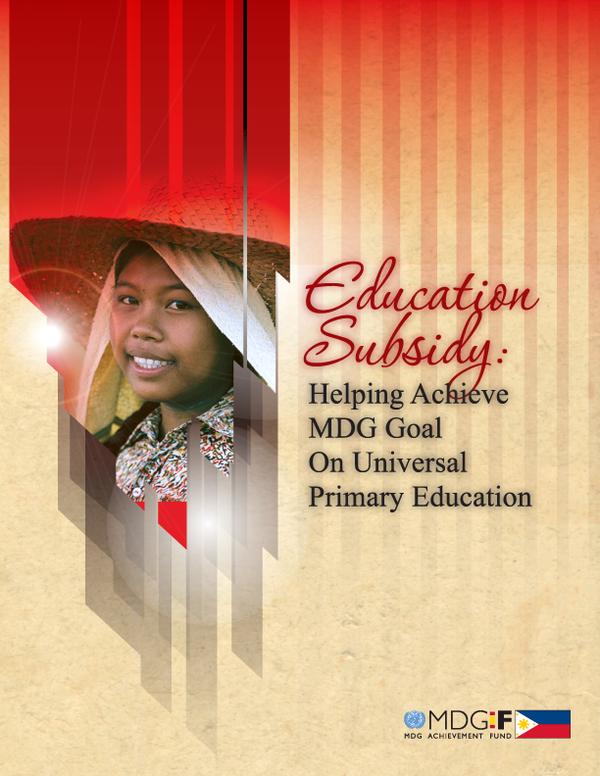
Education subsidy: Helping achieve MDG on universal primary education

This publication documents the Philippine education subsidy scheme and its implementation experience, as well as offers a convenient tool kit which may serve as a useful reference for replication by government in their public school system. The primary goal of the education subsidy is to contribute to increasing the level of school participation and the retention rate in secondary education among disadvantaged youth. The program had many identifiable successes and documents some of the challenges faced.

View online/download
English

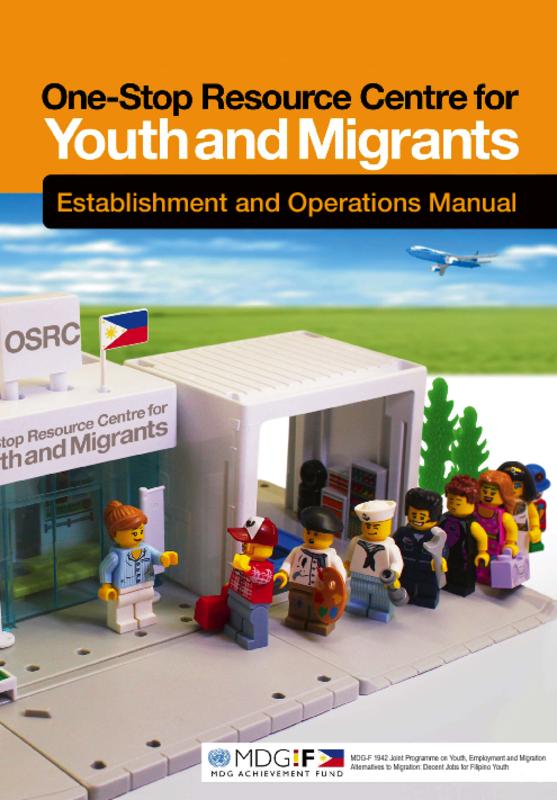
One stop resource centre for youth and migrants

This manual is designed to serve as a user-friendly reference guide in establishing and operating a One-Stop Resource Centre (OSRC) for migrant families and the youth. To assist countries like the Philippines that are dealing with overseas migration and seeking ways to reach out to migrant communities, the International Labour Organization (ILO) has globally promoted the creation of Migrant Resource Centres (MRCs). These centres provide avenues for organized responses to migration challenges as well as range of programmes and services necessary for empowering and protecting migrants and harnessing the benefits of migration for socioeconomic development.

View online/download
English

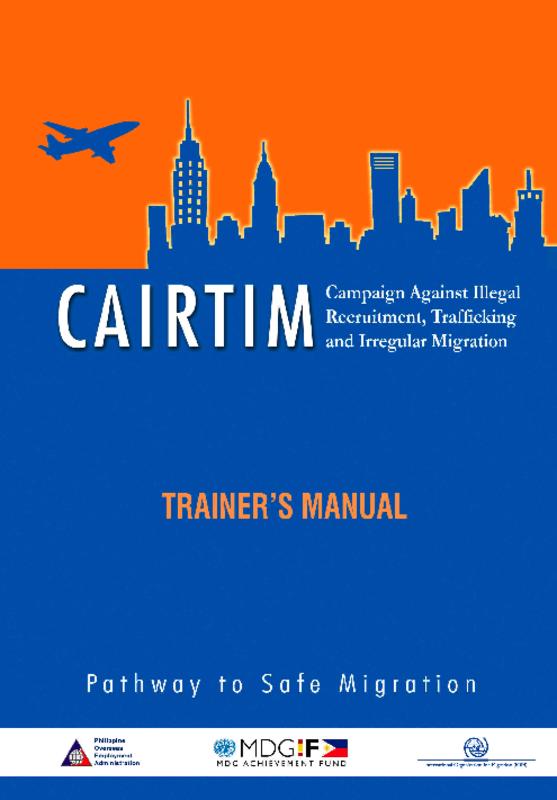
Campaign against illegal recruitment, trafficking and irregular migration, CAIRTIM

This Trainer’s Manual is intended for individuals engaged in providing training and counseling to prospective migrants. It was designed to fit the needs and capabilities of both experienced and novice trainers. This manual will help assist the trainers in conditioning the prospective migrants of the proper mindset when making a decision to live or work abroad, provide the trainers with accurate and useful information that they need to convey to individuals who are participants to pre-employment orientation seminars, and set the minimum standard for delivering the key messages that need to be relayed to prospective migrants.

View online/download
English

Youth migration from the Philippines: Brain drain and brain waste

This study examines the whether or not the high percentage of professionals among youth working abroad could be construed as a form of brain drain. It looks at the underlying sources of the high propensity of Filipinos to seek jobs overseas and why the number of deployed Filipino migrants keeps increasing every year. Conclusions and recommendations include the need to reform the fragmented education system which results in many graduates seeking employment in occupations different from their preparation, the need to improve data collection systems, and the need to offer adequate information services and mediation to applicants for work overseas.

View online/download
English

The Filipino youth and the employment-migration nexus

This report analyses the international migration patterns for employment in the Philippines and offers suggestions on how to respond to them. Presently more than 10% of the national population is based abroad. This study also aims to better understand the link between youth employment and migration and how to broaden the youth’s options in these areas. It recommends promoting the hiring of young workers via incentives such as tax breaks, improving education and dissemination of information on job opportunities both within the country and abroad, and it notes the need to engage young Filipinos overseas to improve data collection and develop “brain gain” policies and programs.

View online/download
English

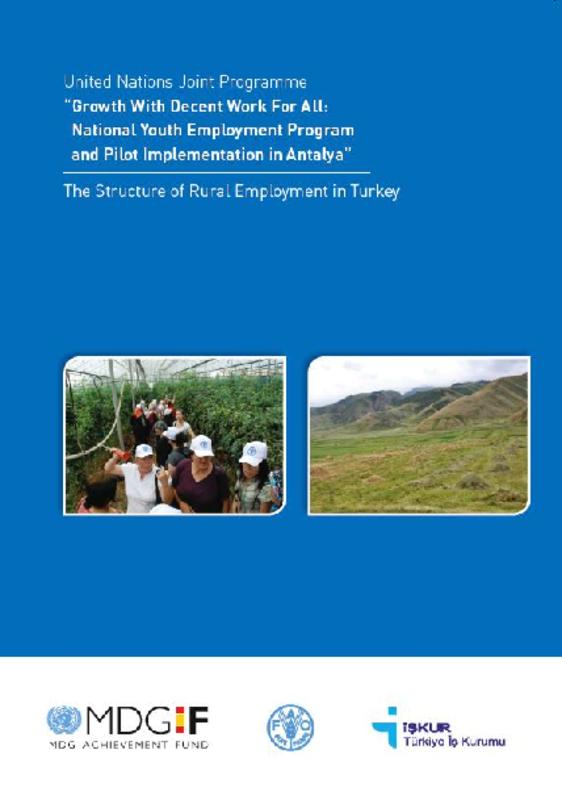
National youth employment program and pilot implementation in Antalya: the structure of rural employment in Turkey

This study addresses the structural decline of employment in Turkey’s agricultural sector and offers suggestions on increasing job opportunities in rural areas of the country. Some recommendations are to encourage added value organic farming, livestock, rural tourism as well as agro-business activities, such as food processing and cottage industries to address the dearth of opportunities for women acting as unpaid family workers in agricultural areas.

View online/download
English

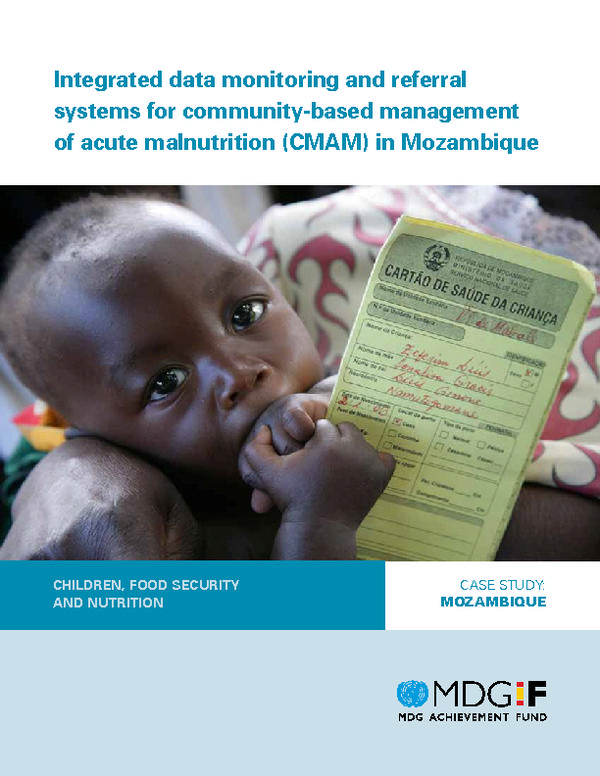
Integrated data monitoring and referral systems for community-based management of acute malnutrition (CMAM) in Mozambique

In many countries, the treatment of Severe Acute Malnutrition (SAM) takes place in dedicated feeding centres and during emergency situations. In Mozambique, however, the treatment of SAM has always been integrated within the regular health system, making it a unique example. The aim of this case study is to follow-up on the implementation of the monitoring system for the Nutrition rehabilitation program (PRN) by describing how the nutrition information system has been designed and implemented in Mozambique, examine how these tools assist in monitoring the flow of information between different parts of the healthy system, and to evaluate how nutrition information tools have impacted the program’s efficiency in managing PRN and how it has improved the integration of PRN into the health system

View online/download
English

Joint programme synthesis: MDG-F theme, democratic and economic governance

This report of the provides a synthesis overview of contexts, goals, strategies, cross-cutting themes and common concerns of the Joint Programmes (JPs) of the MDG Achievement Fund's (MDG-F) thematic window entitled Democratic and Economic Governance (DEG). The 11 JPs aimed to democratize access to utility services and to improve the governance in the water and sanitation sectors. The overarching goal is to accelerate progress worldwide towards achieving the MDG water and sanitation target.

View online/download
English

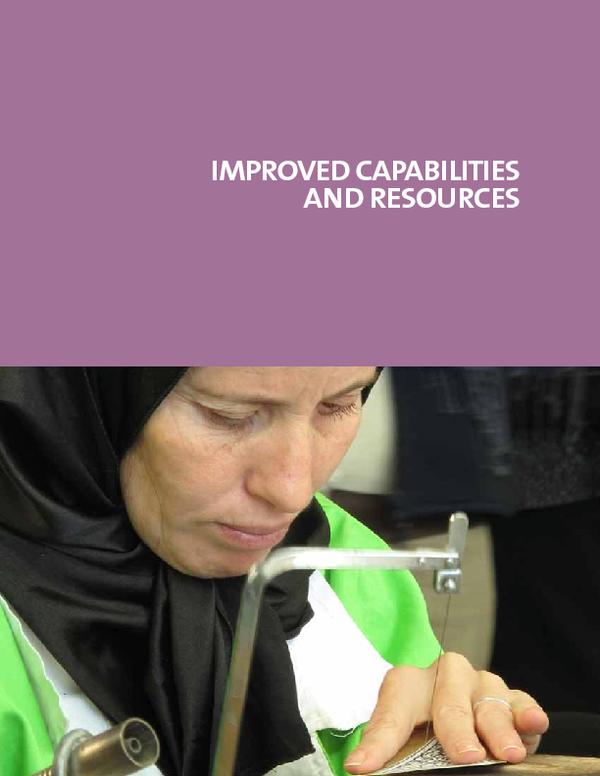
Improved capabilities and resources to build women’s economic and social security

This document presents lessons and results of specific relevance to shaping the post-2015 development framework in regards to improved capabilities and resources including improved knowledge and health and access to resources and opportunities to build women’s economic and social security. It presents case studies of 10 different programmes implemented by the MDG Achievement Fund (MDG-F) in Bangladesh, Bolivia, Democratic Republic of the Congo, Ecuador, Egypt, Ethiopia, Honduras, Namibia, Timor-Leste, Viet Nam. Each case identifies the the key actors, objectives, strategy, results, sustainability analysis and lessons learned.

View online/download
English

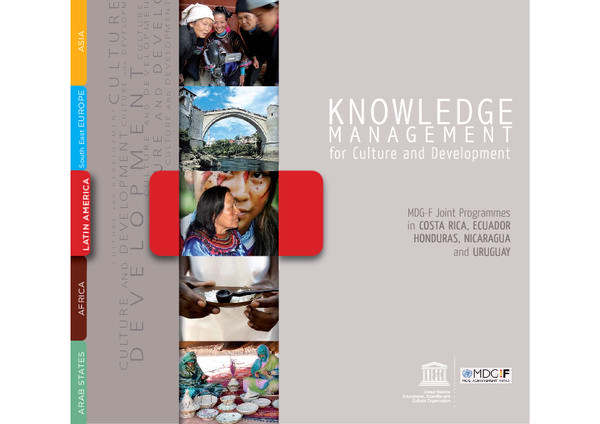
Knowledge management for culture and development: MDG-F joint programmes in Costa Rica, Ecuador, Honduras, Nicaragua and Uruguay

This publication is part of series that seeks to present the Knowledge Management project on culture and development and provide information on the five Joint Programmes implemented in Latin America between 2008 and 2013. It provides an overview the operational challenges and success of each project and demonstrates the relative impact that each had on accelerating progress toward the Millennium Development Goals.

View online/download
English

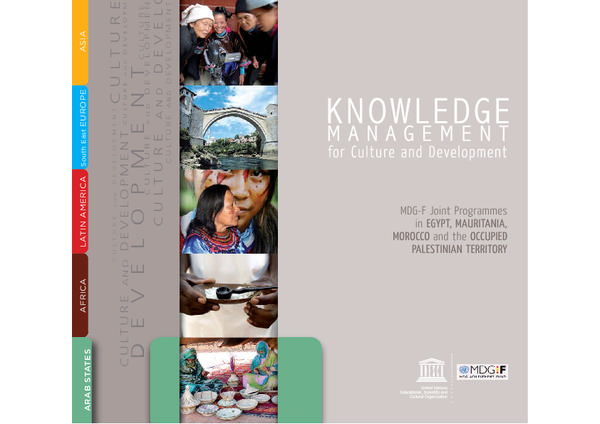
Knowledge management for culture and development: MDG-F joint programmes in Egypt, Mauritania, Morocco and occupied Palestinian territory

Sharing centuries old cultural, religious, linguistic and historical heritage, the Arab States have long placed their heritage at centre stage, focusing on its promotion for tourism as a path to development. This publication is part of series that seek to present the Knowledge Management project and provide information on the four Joint Programmes implemented in the Arab States between 2008 and 2013. It provides an overview the operational challenges and success of each project and demonstrates the relative impact that each had on accelerating progress toward the Millennium Development Goals.

View online/download
English

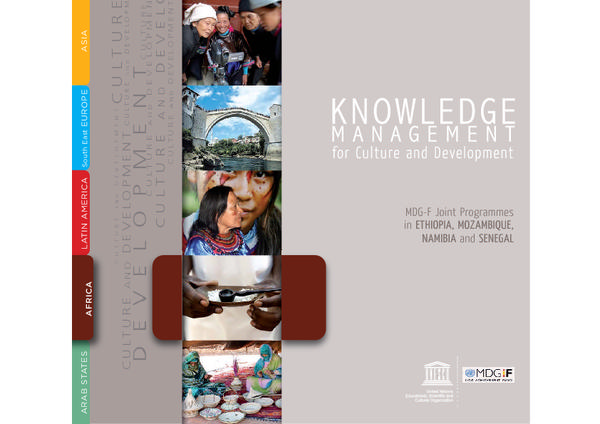
Knowledge management for culture and development: MDG-F joint programmes in Ethiopia, Mozambique, Namibia and Senegal

This publication is part of series that seeks to present the knowledge management project on culture and development and provide information on the four Joint Programmes implemented in Africa between 2008 and 2013. It provides an overview the operational challenges and success of each project and demonstrates the relative impact that each had on accelerating progress toward the Millennium Development Goals.

View online/download
English

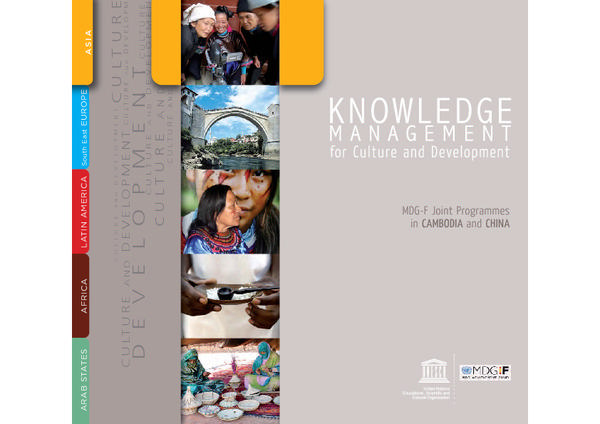
Knowledge management for culture and development: MDG-F joint programmes in Cambodia and China

The overall purpose of the MDG-F’s Thematic Window on Culture and Development is to demonstrate that, even though culture is not explicitly mentioned in the Millennium Development Goals, cultural assets are an essential component of national development, notably in terms of poverty alleviation and social inclusion. This publication is part of series that seek to present the Knowledge Management project and provide information on the two Joint Programmes implemented in Asia between 2008 and 2012, namely in Cambodia and China. It highlights four key projects that focused on Culture and Entrepreneurship and Culture and Social Dialogue. It provides an overview the operational challenges and success of each project and demonstrates the relative impact that each had on accelerating progress toward the Millennium Development Goals.

View online/download
English

Harnessing sustainable linkages for SMEs in Turkey’s textile sector

This report provides comprehensive information about best practice examples of national and international research centres that aim to increase competitiveness of SMEs in the textile and apparel sectors. The document provides an analysis of best practices in research centres in five countries with priority given to ones that prioritize the environment, corporate social responsibility, supply chain structuring and sustainability as well as proposes a model for a research centre based in Malatya, Turkey. Within this proposal administrative structure, job descriptions and related legislation of the universities is also provided.

View online/download
English

Eurobarometer public opinion on culture in Bosnia and Herzegovina

The main purpose of this research was to examine and evaluate the ways in which B&H citizens think and behave in the area of culture and cultural activities, as well as to measure specific indicators that will allow the monitoring of changes and evolvement of cultural values in Bosnia and Herzegovina. This report examines the following themes: 1) How the citizens of Bosnia-Herzegovina (BiH) define the concept of culture and evaluate its relevance to their everyday lives, 2) Use of Internet and other forms of media, especially in relation to cultural activities, as well as viewing/listening habits, 3) Cultural activities that Bosnians tend to engage in and the extent to which they do so, while also examining the barriers, in terms of limited access to or a limited offer of cultural programs and activities, and 4) Attitudes toward the diversity of BiH culture and views of cross-culturalism and globalization. The results are analyzed for each question individually, breaking it down in terms of municipalities and socio-demographic variables where differences are found to be significant. Subsequently, the results are also evaluated in comparison to the Eurobarometer average for corresponding topics.

View online/download
English

Methodology for statistical reporting in the culture sector in Bosnia and Herzegovina

This working document comes as a result of implementation of the MDG Programme Culture for Development – Improvement of Intercultural Understanding in Bosnia and Herzegovina (BiH). The need to create reporting forms for legal entities operating in the area of culture in BiH was recognized by statistical experts. The purpose of development of these statistical reporting forms was to establish a harmonized system and tools for the statistical data collection and their availability to data users in order to provide the policy makers and their users with an insight into indicators of cultural activities' development. A total of 15 cultural areas were addressed during the process of development of these forms and each is accompanied by the methodology used in their creation.

View online/download
English


Suggest a publication

Feel free to submit a publication.

Submit here