Languages

Topbar Menu EN

The SDG Fund is operationally closed. This site is alive for knowledge and dissemination purposes.
Warning: This website is closed. Be aware of phishing or social engineering fraudulent requests of payments or certificates. Explore our programme areas.
Please visit jointsdgfund.org
Search our database of publications


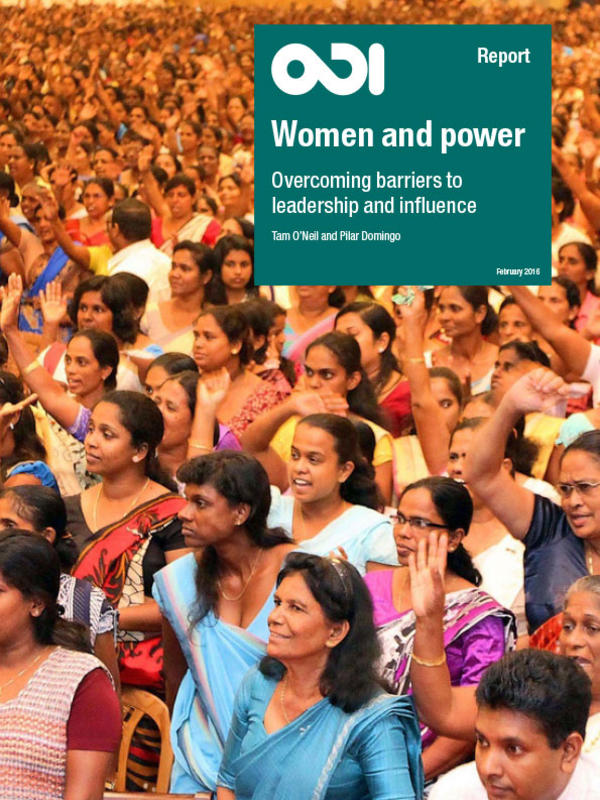
Women and power: overcoming barriers to leadership and influence
Around the world, women now have more decision-making power and influence over social, political and economic life, than ever before. However, progress is uneven both across and within countries. While increasing the numbers of women in political positions is important, it does not automatically follow that they have real authority or decision-making autonomy. This policy paper synthesises findings from two years of research on women’s voice and leadership in decision-making in developing countries – including evidence reviews and five empirical case studies on Afghanistan, Bangladesh, Gaza, Kenya and Malawi. It sets out to understand the factors that help and hinder women’s access to and substantive influence in decision-making processes in politics and society, and whether women’s leadership advances gender equality and the well-being of women more broadly.

View online/download
External Link

Political settlements and pathways to universal health coverage

With the recent ratification of Sustainable Development Goal Target 3.8, universal health coverage (UHC) has consolidated its position atop the global public health agenda. However, as a growing body of technical and political analysis reveals, uncertainties remain over the ability of all countries to achieve UHC, and the pathways they should take to get there. This paper reviews some of the existing political economy analysis (PEA) of UHC, before presenting political settlements analysis (PSA) as an alternative, yet complementary, approach. It outlines a model that links political settlement type to UHC progress via political commitment, policy pathways, funding and governance arrangements, and provides some hypotheses about how fast progress to UHC will be under different political settlement types. It also argues that UHC champions should adapt their ways of working to fit the political settlement, distinguishing between ‘government-supporting’, ‘government-substituting’ and ‘government-connecting’ strategies. It then presents case study evidence from six low- and lower-middle-income countries to help assess these claims. It concludes that, while the evidence of a relationship between political settlement and UHC progress is quite strong, the hypothesis about political settlement type and ways of working requires further research.

View online/download
External Link

Mobilising private climate finance in lower-income countries

Although there is increasing information on flows of public climate finance, studies of private climate finance are challenging given the paucity of data at the international level on current flows. Beyond large renewable energy projects, there is very little information available on private investment by climate-relevant sector and sub-sector, and country-level data are very limited beyond those for the Organisation for Economic Co-operation and Development (OECD) countries and the BRICS (Brazil, Russia, India, China, and South Africa). With the aim of supporting governments in their efforts to shift or direct additional private resources to climate compatible development (CCD), we have developed a methodology to: i) fill key information gaps about incentives and investment at country level in climate-relevant sectors, and ii) enhance understanding of the links between public incentives and private investment in CCD. Thus far, we have applied this methodology in the energy sector in Uganda, the agriculture sectors in Zambia and Ghana, and the transport sector and water and sanitation sector in Viet Nam. This report highlights five key recommendations based on the country studies for actors seeking to mobilise private climate finance in lower-income countries.

View online/download
External Link

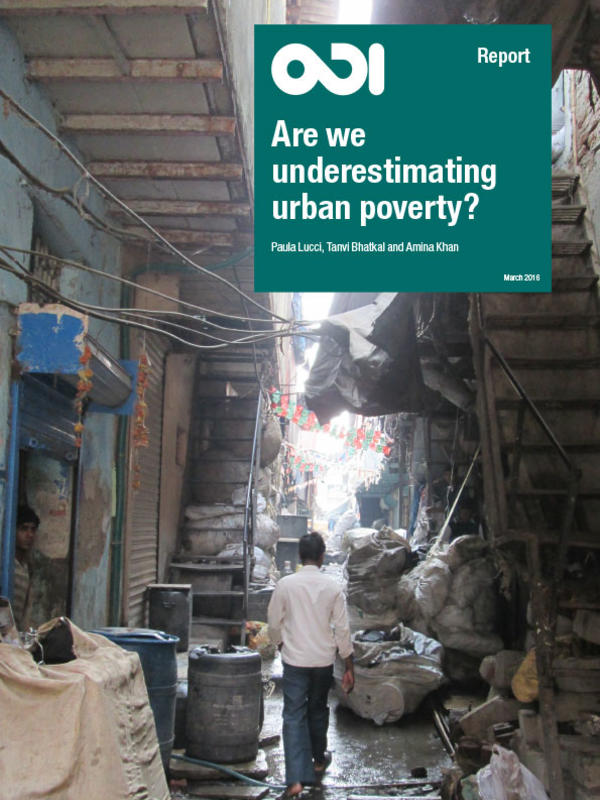
Are we underestimating urban poverty?

Data collection methods and poverty measures have not caught up with the reality of an increasingly urbanised world; as a result, it is increasingly likely that urban poverty is underestimated. This has important implications for targeting interventions and allocating resources in the 2030 Agenda for Sustainable Development over the next 15 years. This report explores the current problems with the definition of 'slum' settlements and data collection in urban contexts and provides recommendations on how to address and improve the identified issues.

View online/download
External Link

Developing export-based manufacturing in sub-Saharan Africa

This report describes how production, employment, trade and foreign direct investment (FDI) in the manufacturing sectors in nine selected sub-Saharan African (SSA) countries has increased in the recent decade and identifies opportunities for the development of promising manufacturing sectors in the future. The paper uses a number of techniques to examine promising country-specific sectors. Africa already has a share that is greater than 2% of world trade in fertilizers, chemicals, leather products, apparel, oil, iron and steel. Qualitative accounts and calculations using standard techniques indicate that there are some very interesting opportunities in the following African manufacturing sectors: garments, agribusiness, mineral processing, manufactures of consumer goods, pharmaceuticals, automobiles, and food, beverages and tobacco. Finally, the report examines rankings for selected countries in terms of geographical advantages, market size, economic fundamentals, general investment climate and specific policies. Some countries are well positioned in relation to comparators. For example, Nigeria’s size and growth in Tanzania and Ethiopia stand out, as do Ethiopia’s low labour costs, Rwanda’s investment climate and Ghanaian skills. The paper concludes that while some are positioned better than others, all of the countries we examined will need to improve in several areas if they are going to attract high levels of investment into export-based manufacturing sectors. African countries should act to take advantage of recent trends such as African regional growth and rising wages in Asia.

View online/download
External Link

Extending social insurance to informal workers: a gender analysis

Informal workers face high levels of risks yet the majority are not covered by social insurance. Meanwhile, women informal workers face specific and heightened risks, yet more women than men are excluded from insurance schemes. Increasingly a number of countries are extending social insurance to informal workers, but, with only some exceptions, most policies remain gender-blind or gender-neutral. Gender-responsive reforms can ensure increased coverage of women, including of female informal workers, to address the risks they face. These include: (i) legislation in the labour market; (ii) recognition of the care economy; (iii) innovative policy design in payment options and simplified administrative processes; and (iv) investment in gender-sensitive delivery capacity.

View online/download
External Link

Rule of law, politics and development: the politics of rule of law reform

Rule of law remains a constant theme in development policy and practice, and in recent policy discourse and international commitments it has gained a new level of prominence. Despite this recognition, the history of international support to the sector's reform is peppered with a sad trail of failures and underachievement. How to square the recognition that rule of law really matters with the poor track record of reforming it? Drawing on different analytical and empirical bodes of work on the international rule of law, this report seeks to find some better answers to this question. In doing so, it reviews key trends over time and makes the case for drawing on two current propositions for changing policy and practice, namely: 1. The link between rule of law and political settlements and, 2. being politically smart and adaptive in approaching rule of law reform.

View online/download
External Link

The SDGs at city level: Mumbai's example

This report uses Mumbai as an example for an analysis of performance over time on three SDG targets at slum and settlement levels and provides recommendations for early action on SDG implementation in cities.

View online/download
External Link

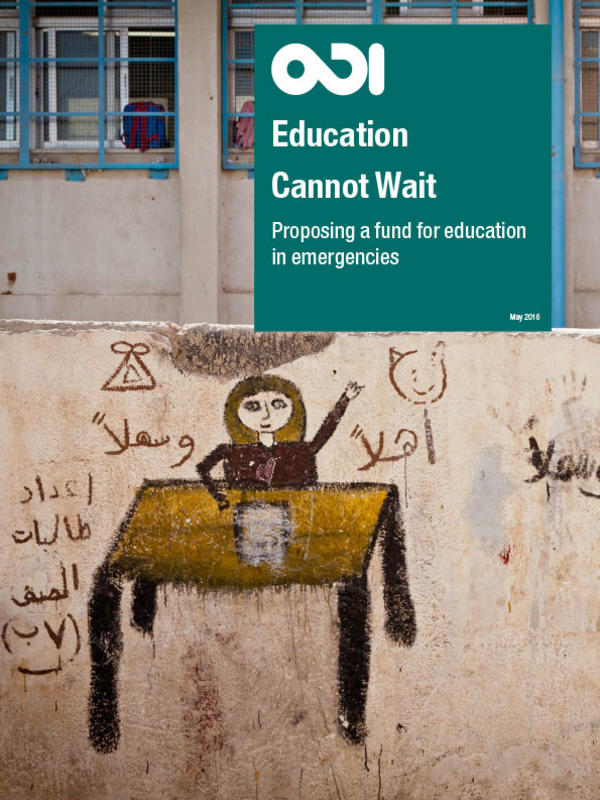
Education Cannot Wait: Proposing a fund for education in emergencies

Built on extensive consultation and dialogue among a range of stakeholders, 'Education Cannot Wait' is an education crisis fund designed to transform the global education sector, including both humanitarian and development responses. Launching at the World Humanitarian Summit in May 2016, the platform aims to deliver a more collaborative, agile and rapid response to education in emergencies in order to fulfill the right to education for children and young people affected by crises. It is about both restoring hope to millions of children and demonstrating that the governments who signed the 2030 Sustainable Development Goal pledge intend to keep their promise. This publication outlines the potential operation of 'Education Cannot Wait'.

View online/download
External Link

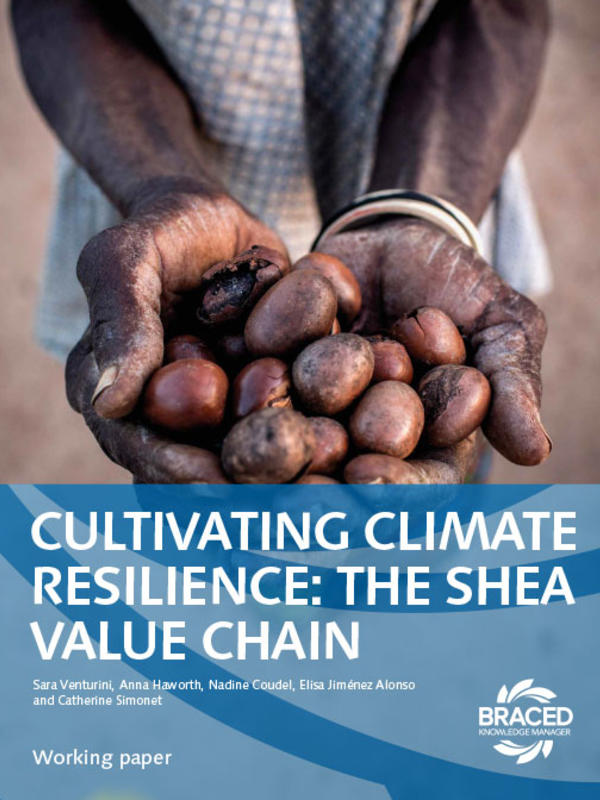
Cultivating climate resilience: the Shea value chain

The economy of Burkina Faso is growing but is seen alongside high levels of poverty and a heavy reliance on the climate-vulnerable agriculture sector. This Working Paper outlines the importance of Shea in Burkina Faso both as a commodity for exporting and in providing subsistence for local communities. Although as a crop it is relatively resilience to a changing climate and is beneficial to the overall resilience of the ecosystem – through maintaining soil fertility and biodiversity of flora and fauna - the Shea tree is considered a vulnerable species, largely at risk from human practices. Measures such as soil and water conservation and management are being adopted to improve Shea tree conservation and management. Research and development focused on domestication and isolation of more adaptable varieties of Shea are being turned into on-the-ground applications. Furthermore, Organic and fair trade certifications sought by international brands in the cosmetic industry contribute to establishing appropriate rules for the safeguard of the resource and biodiversity in general, and the minimisation of negative environmental impacts during the production phases. While Shea production has what it takes to improve the resilience of local communities involved in different stages of the value chain, and measures are in place to reduce the risk of human practices, diversification of the crops cultivated by farmers is essential to ensure climate resistance and resilience of the ecologic and socio-economic system as a whole in Burkina Faso. More broadly, efforts that promote economic diversification are imperative in the light of a national agenda for sustainable development.

View online/download
External Link

Synthesis of seven country case studies: strengthening coherence between agriculture and social protection

Agriculture and social protection can complement and support each other in reducing hunger and poverty. On the one hand, agricultural interventions can promote growth in smallholder productivity by addressing structural constraints that limit the access of poor households to land and water resources, inputs, financial services, advisory services and markets. On the other, social protection can provide liquidity and certainty for poor smallholders, allowing them to invest in agriculture, reallocate their labour to on-farm activities, invest in human capital development, increase participation in social networks (which constitute an important source of informal risk management) and better manage risks, thereby allowing them to engage in more profitable livelihood and agricultural activities. Coherence between agricultural development and social protection can be achieved by incorporating social protection objectives, such as risk reduction, in agricultural development and vice versa and by linking activities in the two sectors to create complementarities between programmes. Through the Protection to Production (PtoP) project, led by FAO and UNICEF, considerable evidence has been generated on the productive and economic impacts of social protection and its contribution to sustainable poverty reduction and economic growth in Africa. However, less is known on how to strengthen the links to agricultural development, including the opportunities for doing so and the challenges to be overcome. Case studies were carried out in seven countries across Africa (Ghana, Kenya, Lesotho, Zambia), Asia (Bangladesh) and Latin America (Mexico, Peru). The studies examined programme concepts and methods, coordination and outcomes. In most countries, two programmes from the agricultural sector and two from the social protection sector were observed.

View online/download
External Link

Public spending on climate change in Africa: Experiences from Ethiopia, Ghana, Tanzania and Uganda

This publication describes the extent to which public expenditure responds to national climate change policy and the institutional demands required to implement such policy. The four countries of the study – Ethiopia, Ghana, Tanzania and Uganda – provide insights into the early mobilisation of climate change finance, as each country attempts to address the new challenges that climate change is bringing about. The report is divided into three parts. The first part introduces the concept of climate change finance and outlines the effectiveness framework used in each of the country studies. The methodological challenges associated with public expenditure reviews as applied to national climate change actions are also described. The second part provides in-depth country accounts for Ethiopia, Ghana, Tanzania and Uganda, on the level and nature of climate change-relevant public spending, set in the context of each country’s macroeconomic and public finance management systems. The final section concludes by drawing lessons for climate change policy development, institutional strengthening, local delivery of climate change finance and the monitoring of public finance, based on the insights gained from the country studies.

View online/download
External Link

Rethinking power markets: capacity mechanisms and decarbonisation

This report introduces capacity mechanisms, a policy instrument for power markets, to a non-expert audience and considers their implications for meeting parallel objectives of security of supply and decarbonisation. It focuses on capacity mechanism developments in the EU and is directed at those who want to advance climate objectives, but who have a limited background in power markets. Our review suggests that capacity mechanisms risk undermining parallel energy and climate objectives by locking in dependence on high-carbon, inflexible power generation assets. The introduction of these tools is often politically motivated and not based on a rigorous analysis of their need. Finally, the uncoordinated introduction of capacity mechanisms risks undermining wider efforts to integrate energy markets, which, paradoxically, are meant to ensure a more efficient use of resources and improve security of supply. As a number of EU member states are moving ahead with the design and implementation of domestic capacity mechanisms the European Commission has launched an investigation into these developments. Its findings will feed into its electricity market redesign proposals for the end of 2016. This is therefore a key moment to influence this process.

View online/download
External Link

Enhancing women's influence in local governance with community scorecards: CARE Rwanda's experience

The community scorecard (CsC) has become internationally recognised as an effective social accountability tool for building and strengthening citizen collective action for improved service delivery. CARE has more than a decade of experience of applying scorecards, starting with CARE Malawi in 2002 and then through applying the approach in different sectors and to different issues in various country programmes. This report - and supporting briefing paper - explore the use of the CsC model in two projects within CARE Rwanda’s vulnerable women’s programme. It examines how the model was implemented in each of the projects; the key outcomes of the initiatives; and how these have contributed to improving the quality of gender-based violence service delivery and enhancing women’s role in local governance processes. The findings indicate that the CsC is not a one-size-fits-all solution with regard to improving developmental outcomes. It is a flexible guide or tool that can and should be adapted to the distinct contextual and operational environment in which it is implemented and based on the objectives and changes it intends to produce.

View online/download
External Link

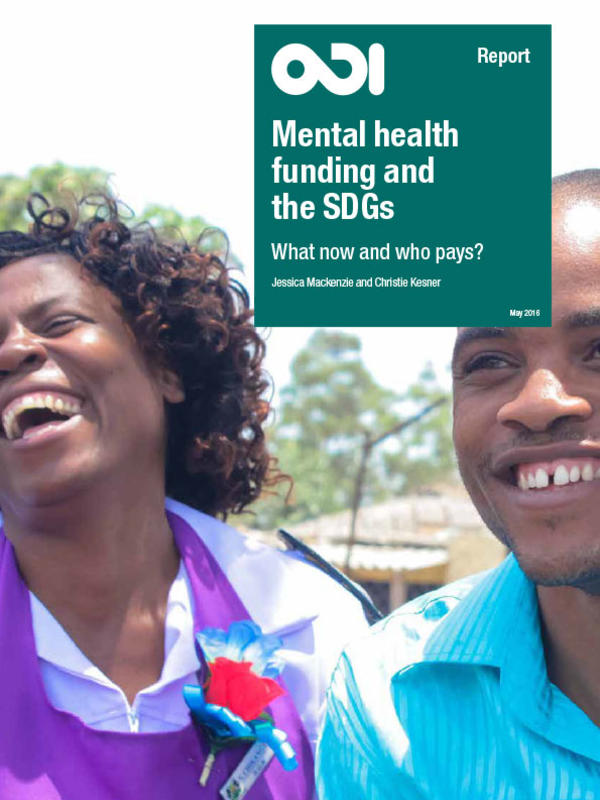
Mental health funding and the SDGs: what now and who pays?

In 2015 the world took a huge step forward by including mental health in the Sustainable Development Goals (SDGs), which set the global agenda for the next three decades. But despite the huge burden it places on global health, it receives a fraction of the funding of other diseases. This report provides an overview of who is currently funding mental health and who isn’t, but could be. It is a synthesis of research previously conducted in this field and analyses both existing and new funders. It highlights how little information there is on what donors are spending on mental health globally, what types of activities are funded and why funding mental health delivers a variety of benefits, and it suggests how to frame the issue to encourage more investment.

View online/download
External Link

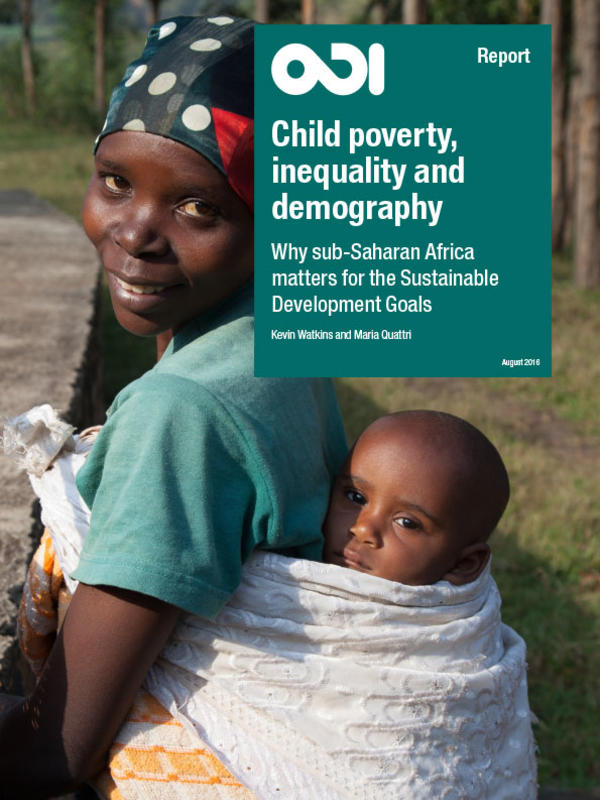
Child poverty, inequality and demography: Why sub-Saharan Africa matters for the Sustainable Development Goals

In this publication we examine the implications of demographic trends in Africa for the changing age profile of world poverty – and for the region's development prospects. Investing in opportunities for Africa’s children could yield major returns for economic growth and human development. Education is critical. Delivering decent quality learning for all is a proven catalyst for development. We also highlight the expansion of reproductive health care, promotion of gender equity, measures to reduce early marriage, and cash transfers targeting child poverty as critical ingredients for change. African governments and the wider international community could be doing far more in these areas. With the right mix of policies in place, Africa could accelerate the pace of demographic transition – and reap a dividend from a rising generation of youth. There are valuable lessons to be drawn from other regions and some countries in Africa itself. But governments need to wake up to the demographic opportunity as a matter of urgency.

View online/download
External Link

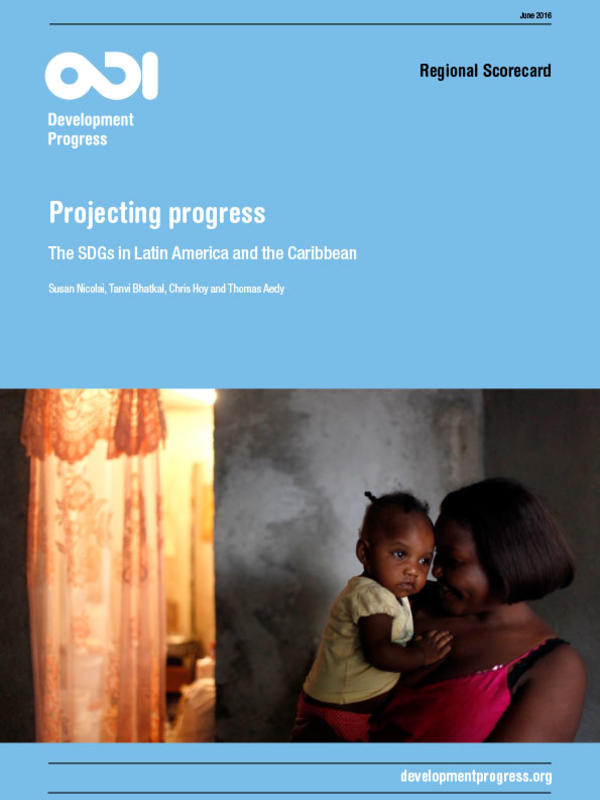
Projecting progress: the SDGs in Latin America and the Caribbean

This paper presents Latin America and the Caribbean’s (LAC) likely progress across the Sustainable Development Goals (SDGs) agenda, if trends continue on their current trajectories. There are significant disparities across the globe in progress both between and within countries; LAC is no exception. There are a number of disparities across sub-regions and there are disparities within countries – ethnicity, for example, is a crucial factor in determining whether someone is likely to benefit from development gains. During the Millennium Development Goals era considerable gains were made in a number of countries in LAC. However, already strong outcomes in some areas compared with other developing regions will make continued progress towards the new goals difficult.

View online/download
External Link

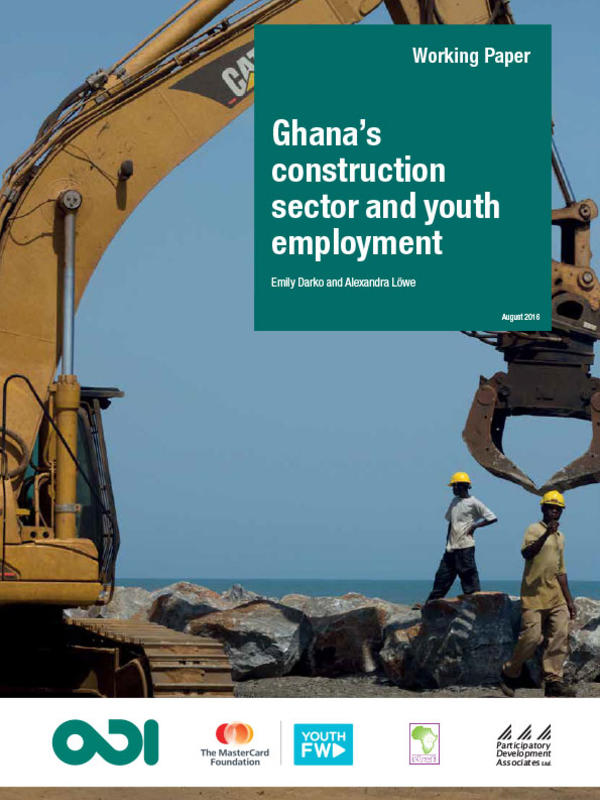
Ghana's construction sector and youth employment

Ghana’s construction sector is a growth industry with potential to address youth unemployment. This paper identifies opportunities for young people to access jobs within the sector, as well as barriers preventing their participation. Low-cost housing is found to be the most promising sub-sector for young people to access employment. However, this requires government land and finance policies that create demand for and supply of affordable housing. Bottlenecks faced by young people in accessing jobs in construction include the quality of training, problems accessing land, and corruption and payment delays on government contracts. For young women, the fact that construction is considered ‘man’s work’ is a considerable additional barrier.

View online/download
External Link

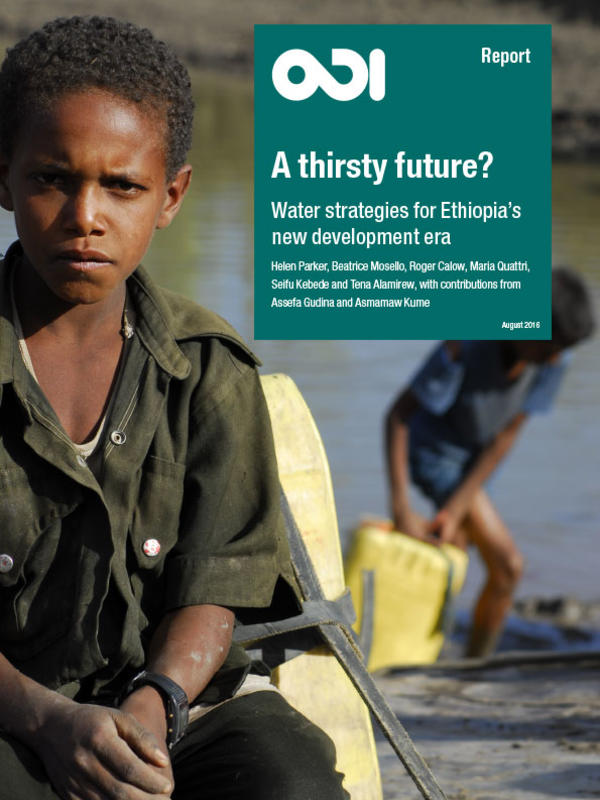
A thirsty future: water strategies for Ethiopia's new development era

This report discusses the costs and benefits of investments in water resources management to sustain Ethiopia’s economic growth, while ensuring that no-one is left behind. Our research shows that investments in infrastructure development to harness the potential of water resources and mitigate against climate risks need to go hand in hand with investments in institutions, the rules of the game, that set out the terms and conditions under which different groups can access and use water. Water scarcity resulting from over-exploitation and pollution risks otherwise reducing the profitability of investments and leading to competition between sectors and users, as it is the case in the Awash River Basin. Only with better, sustainable and inclusive water resources management can Ethiopia can continue to harness its water for the new development era.

View online/download
External Link

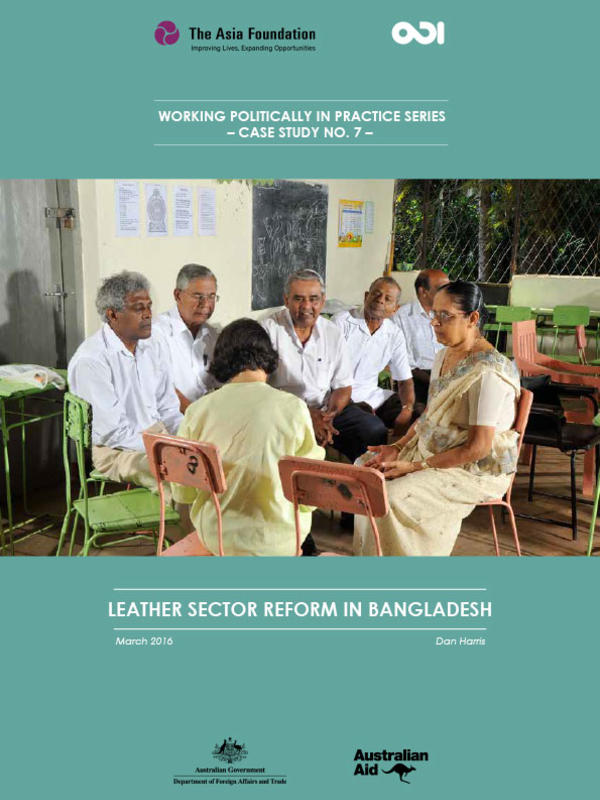
Leather sector reform in Bangladesh

This paper examines the Asia Foundation’s efforts to support change in Bangladesh’s leather sector. Working closely with local partners, the Asia Foundation team has specifically supported efforts to move tanneries out of a dangerously polluted location to a modern industrial park that will improve compliance with health and environmental protection standards, and potentially lead to growth in the sector. As of the publication date, this critical relocation has already begun. This case study lays out the real-time decisions and processes which drove the strategy and implementation of this project, providing useful insights into how politically astute and flexible programs can be successfully implemented. This case has emerged from an action research process, which was led by a researcher from the Overseas Development Institute and conducted over the course of almost two years. By capturing and analysing the experiences of the programme team in Bangladesh, the paper provides practical insights for those in the development community intending to implement similar kinds of programming.

View online/download
External Link

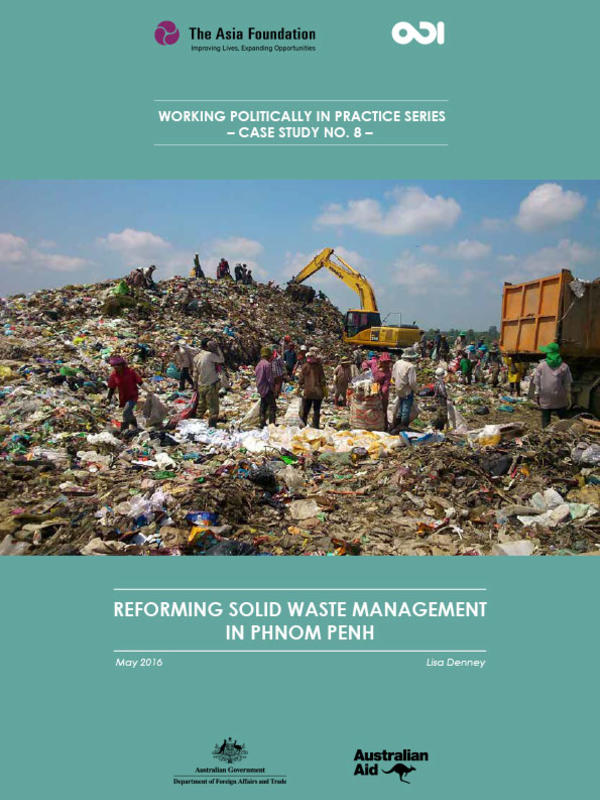
Reforming solid waste management in Phnom Penh

This paper tracks the efforts of an Asia Foundation team working with local stakeholders to support improvements in the solid waste management sector in Phnom Penh, Cambodia. The team worked in a flexible way with a range of partners, and with a particular focus on understanding the incentives and politics affecting service delivery. While reform of the sector remains in progress, steps have been taken to introduce more competition and better public sector management of solid waste collection in the city. This case study lays out the real-time decisions and processes which drove the strategy and implementation of this project, providing useful insights into how politically astute and flexible programmes can be successfully implemented. This case emerged from an action research process, led by a researcher from the Overseas Development Institute and conducted over the course of almost two years. By capturing and analysing the experiences of the programme team in Phnom Penh, the paper intends to provide practical insights for others in the development community aiming to implement similar kinds of programming.

View online/download
External Link

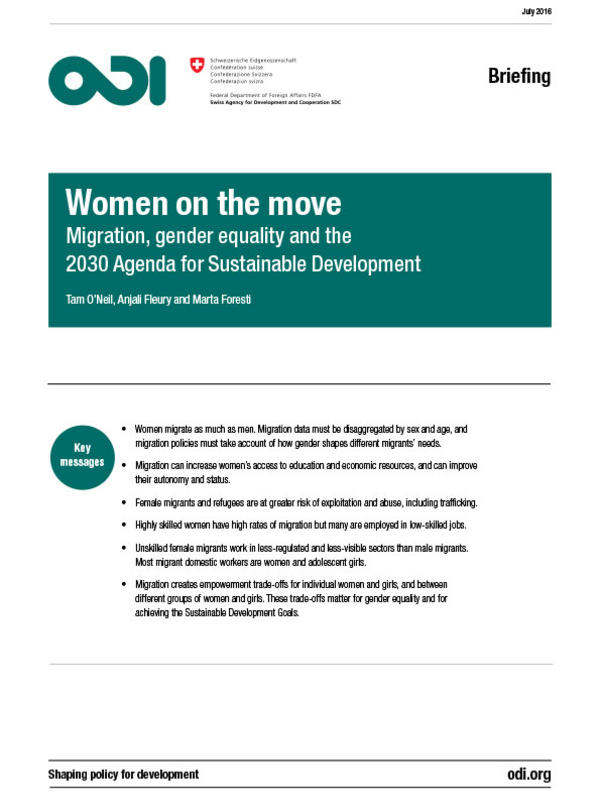
Women on the move: migration, gender equality and the 2030 Agenda for Sustainable Development

This brief presents an overview and analysis of the opportunities, risks and vulnerabilities for women migrants and refugees. It describes the realities of women migrating around the world, specifically the experiences of both high-skilled and low-skilled migrant workers employed in a range of ‘care’ professions, from domestic workers to nurses and doctors.

View online/download
External Link

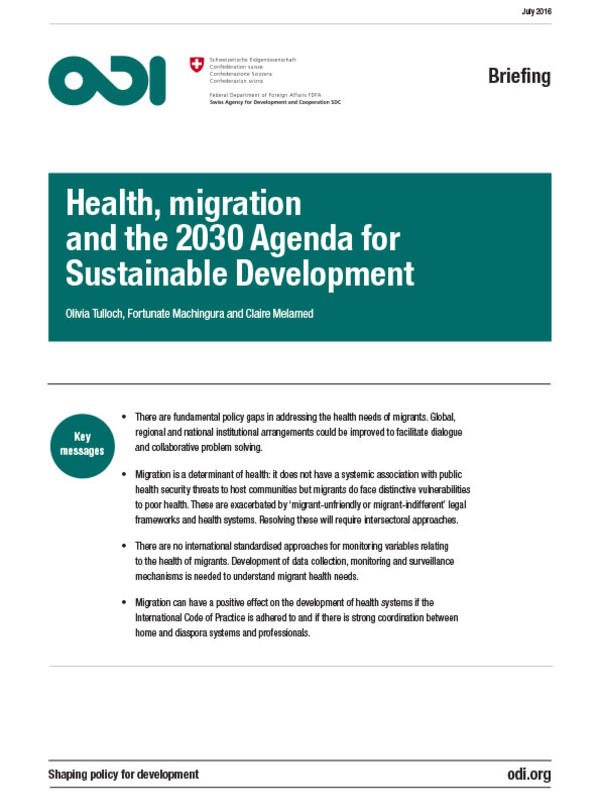
Health, migration and the 2030 Agenda for Sustainable Development

This briefing presents an overview of how international migration can have an impact on the sustainable development goal for health and well-being. It describes the health needs and health service delivery for migrants and refugees in different settings and highlights the ways they may be excluded in national policies relating to health and from specific policies that work towards achieving the Agenda 2030 on sustainable development.

View online/download
External Link

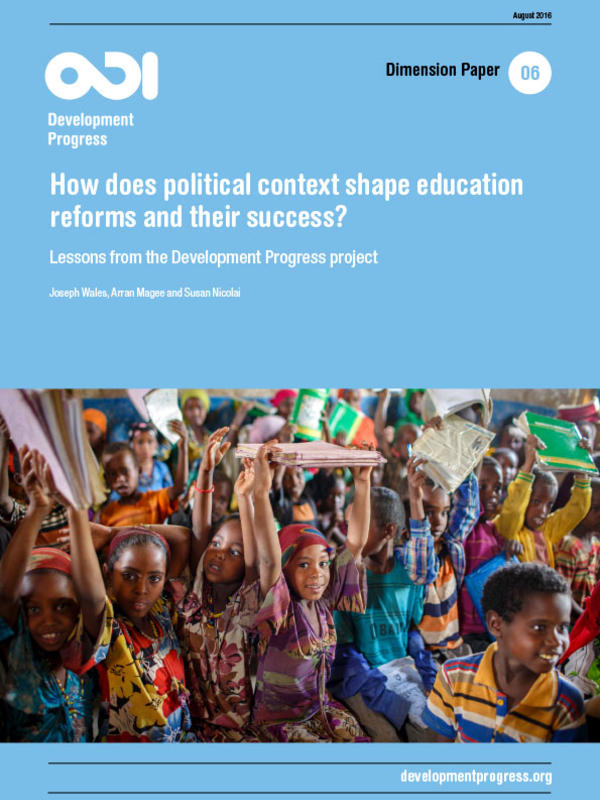
How does political context shape education reforms and their success? Lessons from the Development Progress project

Achieving Sustainable Development Goal 4 – ‘Ensure inclusive and equitable quality education and promote lifelong learning opportunities for all’ – is one of the most important and challenging tasks in international development. In order to fulfil it, we require a better understanding of why progress and the impact of interventions varies so widely by context. One striking gap in our knowledge here is a lack of analysis as to how education systems interact with political contexts that they operate in. This report addresses this gap by drawing on evidence from eight education-focused country case studies conducted by ODI’s Development Progress project and applying political settlements analysis to explore how political context can shape opportunities and barriers for achieving progress in education access and learning outcomes. It gives an introduction to political settlements theory and presents a basic model for applying it to education. It then classifies the case study countries into three broad groups (developmental, mixed hybrid and spoils-driven hybrid) and explores the common features and differences in their progress stories.

View online/download
External Link

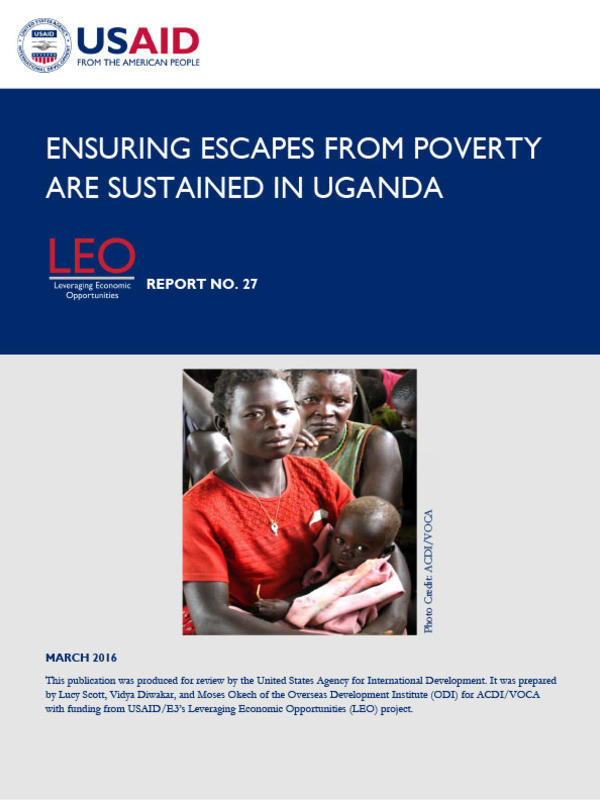
Ensuring escapes from poverty are sustained in Uganda

Since the early 1990s, Uganda has experienced substantial reductions in poverty. Using the national poverty line, the poverty headcount has declined from 56 percent in 1992/93 to just over 20 percent in 2012/13’. Economic growth, the end of conflict, and sound macroeconomic management have all contributed strongly to this success. However, as people have moved out of poverty, the number of people living at a level less than twice the poverty line—termed the ‘insecure non-poor’ in the Ugandan context—has risen. In 2012/2013, as many as 14.7 million people were ‘insecure non-poor’ meaning they were extremely vulnerable to falling into poverty in the event of shocks or stressors, such as drought or an episode of ill-health. This report combines analysis of UNPS data with qualitative research approaches; key informant interviews, life histories and participatory wealth ranking to investigate further the drivers of transitory escapes. Specifically, it examines why some households are able to escape poverty and remain out of it—that is, they experience sustained escapes from poverty—while others escape poverty only to return to living in it again in the future. The report investigates the resources (land, livestock, and value of assets), attributes (household composition, and education level) and activities (including jobs, and engagement in non-farm enterprises) of households which enable them to escape poverty sustainably and minimize the likelihood return to poverty.

View online/download
External Link


Suggest a publication

Feel free to submit a publication.

Submit here