Languages

Topbar Menu EN

The SDG Fund is operationally closed. This site is alive for knowledge and dissemination purposes.
Warning: This website is closed. Be aware of phishing or social engineering fraudulent requests of payments or certificates. Explore our programme areas.
Please visit jointsdgfund.org
Search our database of publications


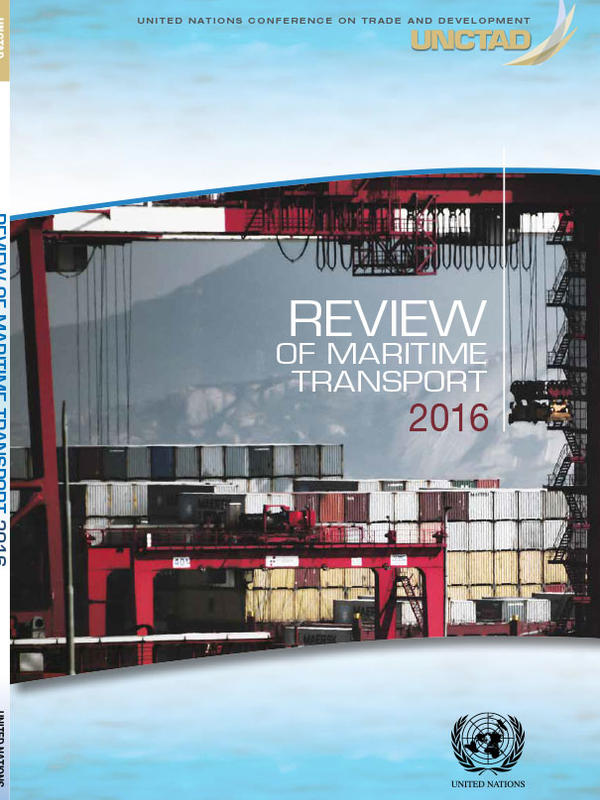
Review of maritime transport 2016

The present edition of the 'Review of Maritime Transport' takes the view that the long-term growth prospects for seaborne trade and maritime businesses are positive. There are ample opportunities for developing countries to generate income and employment and help promote foreign trade.
View online/download
External Link

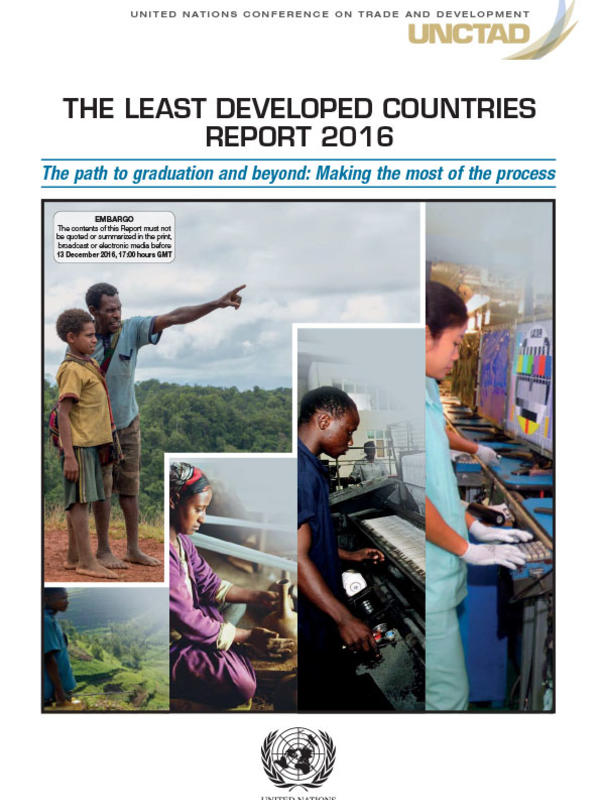
The Least Developed Countries Report 2016

Graduation is the process through which a country ceases to be an LDC, having in principle overcome the structural handicaps that warrant special support from the international community, beyond that generally granted to other developing countries. However, the Report argues that it should be regarded, not as a winning post, but rather as a milestone in a country's long-term economic and social development. Thus, the focus should not be on graduation itself, but rather on "graduation with momentum", which will lay the foundations for long-term development and allow potential pitfalls to be avoided far beyond the country's exit from the LDC category. Structural transformation, the importance of which is explicitly recognized in the 2030 Agenda for Sustainable Development, plays a fundamental role in this process. While there are numerous international support measures (ISMs) for LDCs, their contribution towards graduation is undermined to varying degrees by vague formulation, non-enforceability of commitments, insufficient funding, slow operationalization and exogenous developments in international trade and finance. Their effectiveness also depends critically on the institutional capacities of each LDC to leverage them in support of its own development agenda. The Report highlights the need for LDCs to move from graduation strategies focused on qualification for graduation to "graduation-plus" strategies that take a long-term perspective and foster structural transformation. It also shows the need for better and more effective ISMs, as well as a more stable and development-oriented international environment.

View online/download
External Link

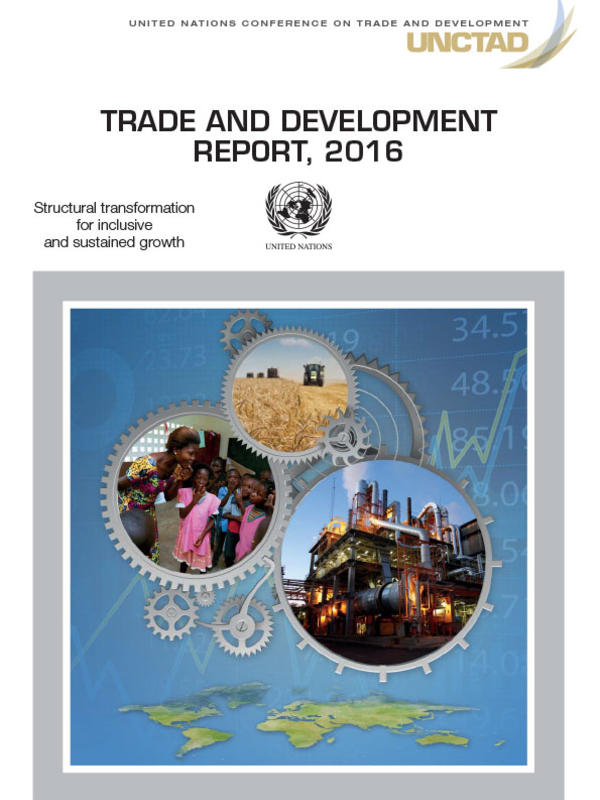
Trade and Development Report (TDR) 2016: structural transformation for inclusive and sustained growth

This report reviews recent trends in the global economy and focuses on the policies needed to foster structural transformation. It identifies some of the critical issues to be addressed in order to set in place structural transformation processes.

View online/download
External Link

Drinking water, biodiversity and development

This guide addresses the linkages between drinking water, biological diversity and development/poverty alleviation. It aims to raise awareness of sustainable approaches to managing drinking water, which have been tested globally. They demonstrate how biodiversity can be used wisely to help us achieve development goals. The guide will: 1) Introduce the available techniques, technologies and procedures that optimize social and environmental outcomes in the management of drinking water; 2) Introduce good practices to the interface between drinking water, development and biodiversity; 3) Assist Parties to the Convention on Biological Diversity (CBD) in strengthening national and sub-national drinking-water development policies, strategies, plans and projects that integrate poverty alleviation and biodiversity; and 4) Provide sources and references where readers can find more detailed information.

View online/download
External Link

Pastoralism, nature conservation and development

This guide addresses the linkages between pastoralism, biodiversity, and development / poverty reduction. It aims to raise awareness of tools relevant to the pastoralism sector, which have demonstrated benefits to biodiversity as well as development. The guide will: 1) Describe the role of pastoralism in the conservation and sustainable use of biodiversity in dry-lands, and the contribution of pastoralism to poverty reduction and development; 2) Introduce public decision-makers to some policy considerations, management tools, market-based instruments, and capacity-building methods that can help augment the social and environmental outcomes of pastoralism; 3) Present good practice examples on the interface between pastoralism, poverty reduction and biodiversity; 4) Assist Parties to the CBD in establishing national and sub-national pastoralism development policies, strategies, plans and projects that consider poverty reduction and biodiversity conservation; 5) Provide sources and references for more detailed information.

View online/download
External Link

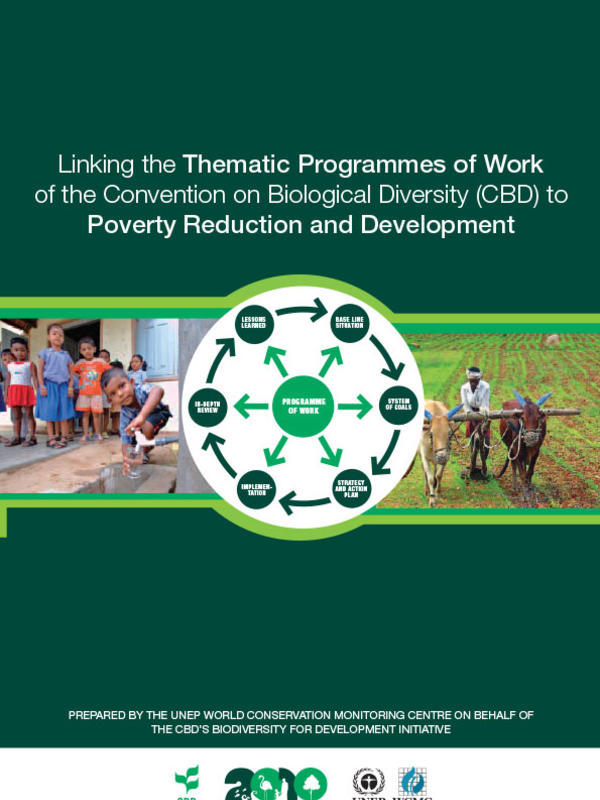
Linking the thematic programmes of work of the Convention on Biological Diversity (CBD) to poverty reduction and development

This report describes a consultancy carried out to determine the linkages between the Convention on Biological Diversity’s (CBD) thematic Programmes of Work (PoWs) and poverty reduction. It is well understood that the relationship between biodiversity and poverty reduction is complex and has multiple possible pathways, from ‘win-win’ outcomes (reducing poverty improves conservation outcomes), ‘win-neutral’ (conservation has no effect on poverty), ‘trade-offs’ (conservation action hurts the poor or poverty reduction damages biodiversity), or even ‘lose-lose’ situations (poverty increases and biodiversity declines). The major challenge in this regard is that production systems should enhance human well-being, be sustainable in the future without degradation of the natural resource base (biodiversity),while maintaining productivity and being equitably distributed among people, avoiding poverty. This requires an incredibly delicate series of balances. The report offers a series of recommendations and identifies 2 major critical conditions for successful implementation.

View online/download
External Link

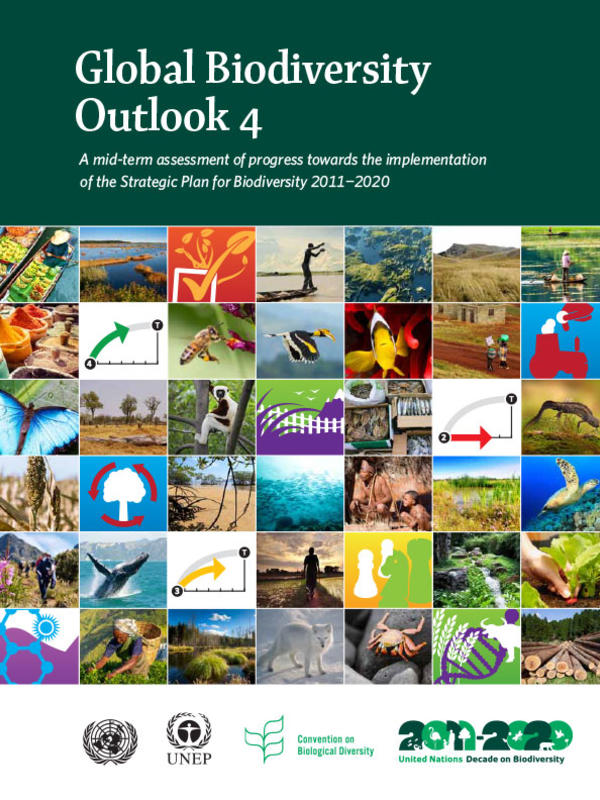
Global Biodiversity Outlook 4: a mid-term assessment of progress towards the implementation of the Strategic Plan for Biodiversity 2011-2020

Global Biodiversity Outlook (GBO) is the flagship publication of the Convention on Biological Diversity. It is a periodic report that summarizes the latest data on the status and trends of biodiversity and draws conclusions relevant to the further implementation of the Convention. The fourth edition of the Global Biodiversity Outlook was officially launched on the opening day of the Twelfth Meeting of the Conference of the Parties to the Convention on Biological Diversity (COP 12) in Pyeongchang, Korea.

View online/download
External Link

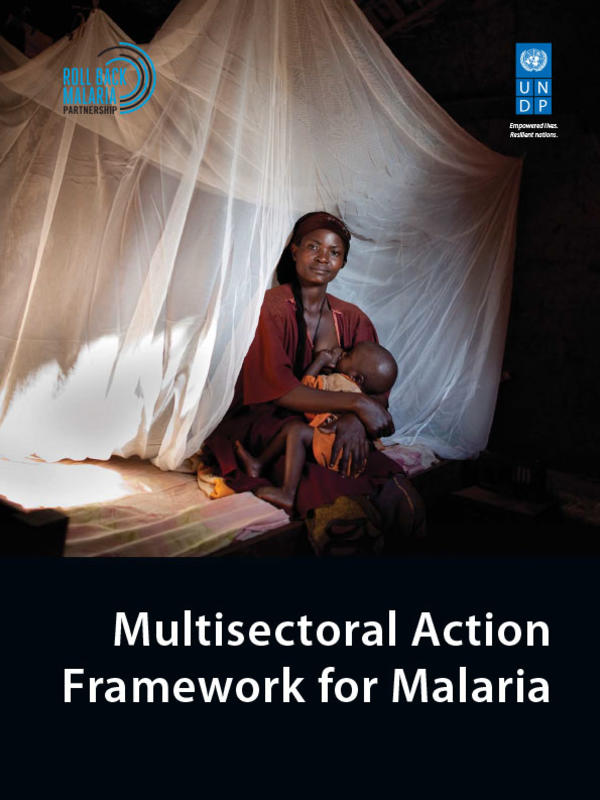
Multisectoral action framework for malaria

Malaria is both a result and a cause of a lack of development. The malaria burden is highest in the countries with the lowest human development, within countries in the least developed and poorest areas, and within populations among the most disadvantaged. The Multi sectoral Action Framework for Malaria adds this development dimension, by making actions outside the health sector essential components of malaria control. The Framework unites all efforts and builds on positive experiences, past and present. The Framework calls for action at several levels and in multiple sectors, globally and across inter- and intra-national boundaries, and by different organizations. It emphasizes complementarity, effectiveness and sustainability, and capitalizes on the potential synergies to accelerate both socio-economic development and malaria control. It involves new interventions as well as putting new life into those that already exist, and coordinates and manages these in new and innovative ways. The Framework acknowledges that malaria takes different shapes in different contexts and that no single blueprint for action would fit in all circumstances. The Framework encourages innovation, trying and learning. The Framework analyses the social and environmental determinants of malaria at four levels: society, environment, population group, and household and individual. The conclusion of the analysis is that the current strategies for malaria control need to be continued, but that they alone are unlikely to lead to sustained control and elimination in the countries with the highest malaria burden. They need to be complemented with a developmental approach, addressing key social and environmental determinants. The Framework proposes what these determinants are and which sectors should be involved. It provides examples of implementation in countries, as well as a simple tool for action planning.

View online/download
External Link

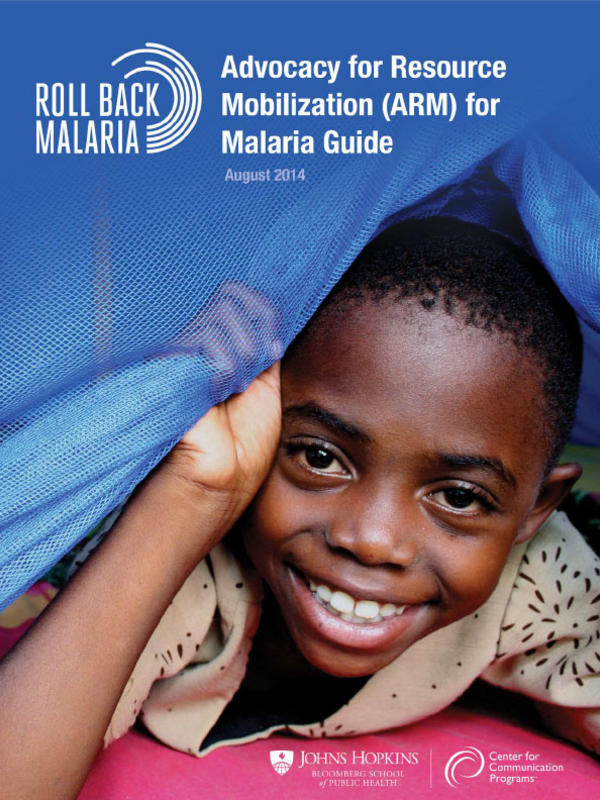
Roll Back Malaria: advocacy for resource mobilization (ARM) guide

This guide is to provide malaria stakeholders in endemic countries with an advocacy implementation guide, case studies and tools to assist them with mobilizing resources for malaria control and elimination at the country level. The intended audience for this guide includes a variety of in-country stakeholders from government officials in national malaria control programs to implementing partners focusing on health and malaria who recognize the need for additional resources and more effective use of them to scale up malaria efforts at the national and local level.

View online/download
External Link

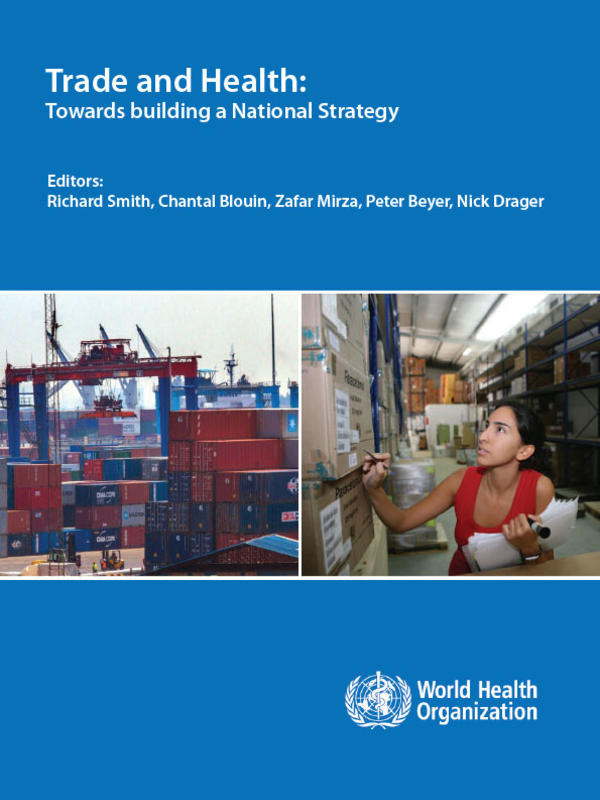
Trade and health: towards building a national strategy

Globalization and the rise of international trade of goods and services in terms of volume and speed influence human health. This influence can be both positive and negative. Our work on “trade and health” is all about harnessing and maximizing opportunities to promote public health and minimizing the risks and threats.

View online/download
External Link

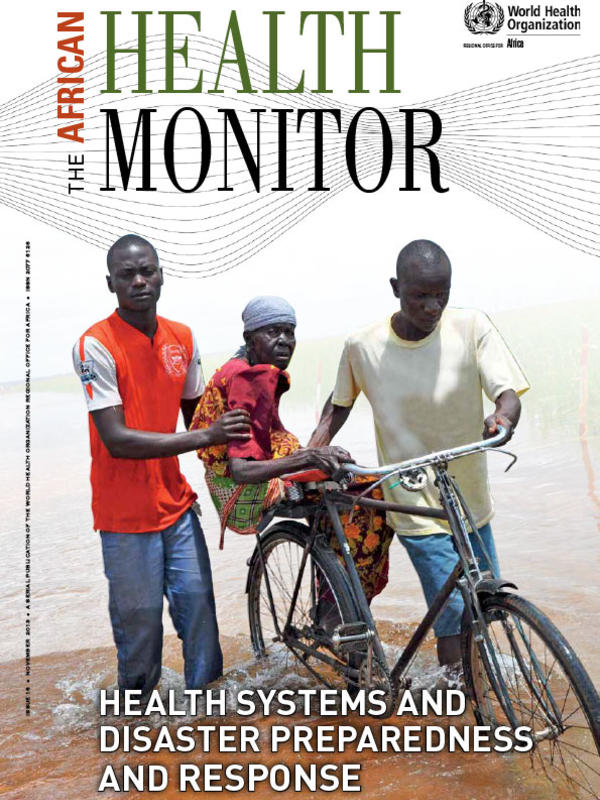
Health systems and disaster preparedness and response

From the public health point of view, the objective of disaster preparedness and response, the major theme of this issue of the Monitor, is to reduce the health consequences of public health emergencies, natural disasters and conflict and minimize their social and economic impact.

View online/download
External Link

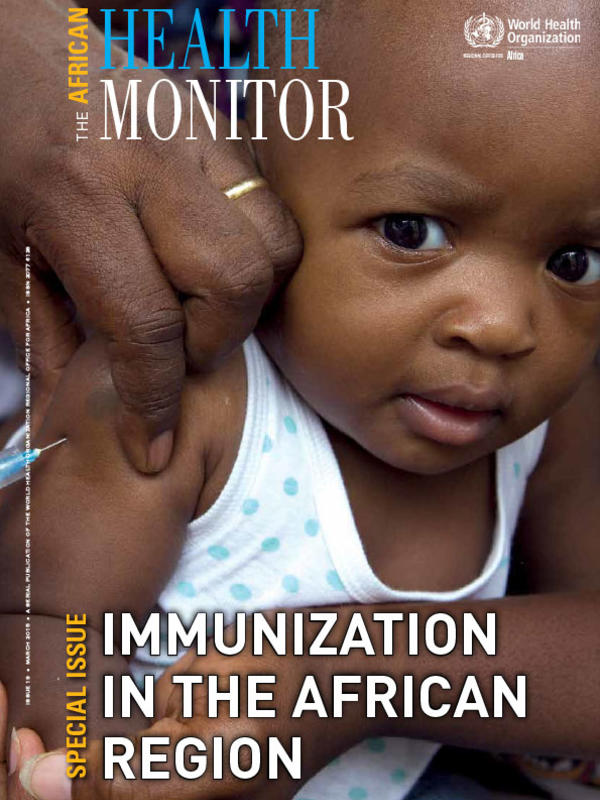
Special issue: immunization in the African region

There has been a steady rise in immunization coverage over the years and vaccines have become available to many communities and populations, especially deprived communities in the countries of the WHO African Region. There has also been significant progress in the introduction of several new vaccines, including pneumococcal conjugate vaccine (PCV), rotavirus and conjugate meningitis vaccines in the Region. These successes have been made possible with the commendable leadership and unwavering commitment of governments and people in the Region and of partners. However, several challenges remain to be addressed. The articles carefully chart the successes and challenges of immunization in the African Region. This special edition is a call to all stakeholders – governments and people of the African Region as well as partners – to increase efforts at making immunization a way of life across the Region. Governments should continue to make vaccination a top priority and commit adequate resources and communities should appreciate the value of immunization, and demand and protect immunization services as a basic right.

View online/download
External Link

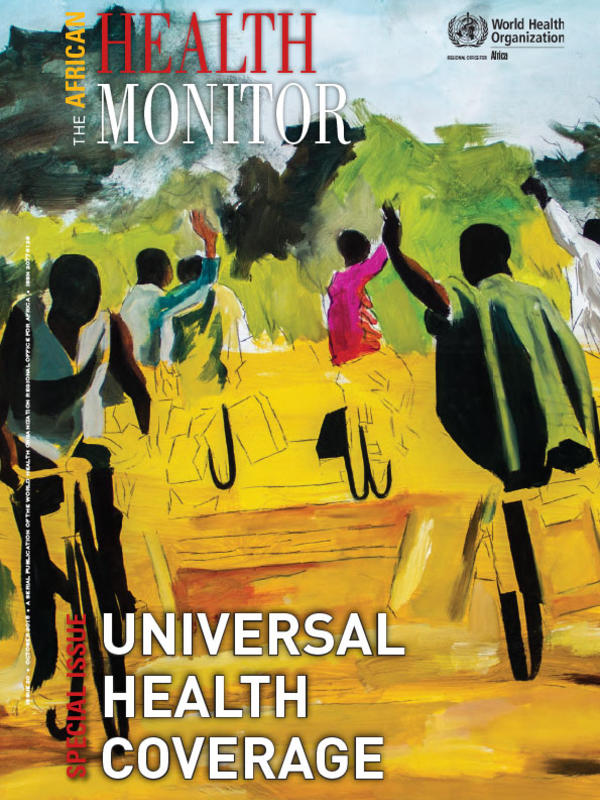
Special issue: universal health coverage

Universal health coverage (UHC) aims to provide health care and financial protection to all people in a given country with three related objectives: equity in access – everyone who needs health services should get them, and not simply those who can pay for them; quality of health services – good enough to improve the health of those receiving the services; and financial-risk protection – ensuring that the cost of health care does not put people at risk of financial hardship. It is a powerful concept in public health, and one of the key areas of progress in health in the African Region. This special issue of the African Health Monitor has a dual objective: firstly, it offers an overview of research on the subject of UHC in Africa; and secondly, it provides wider dissemination of research results presented and discussed in African scientific meetings.

View online/download
External Link

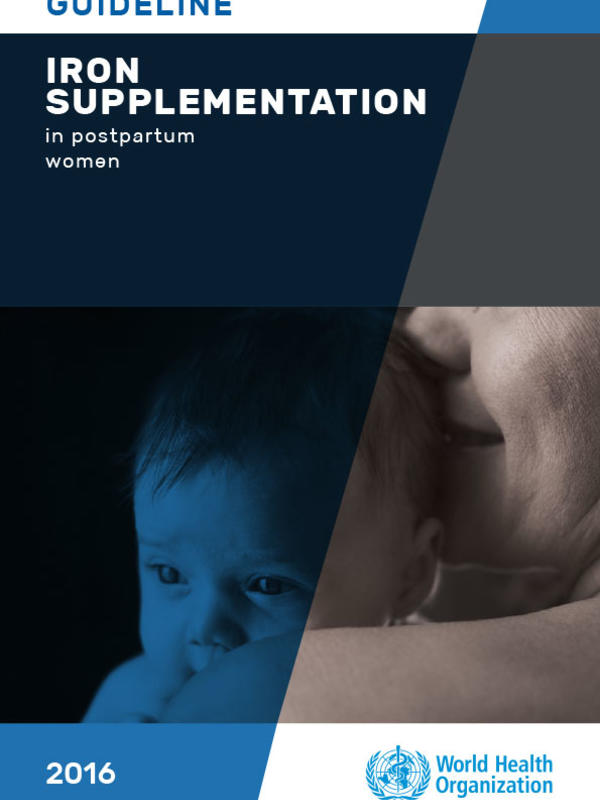
Daily iron supplementation in postpartum women: guideline

This guideline provides a global, evidence-informed recommendation on iron supplementation in post-partum women, as a public health intervention for the purpose of improving maternal and infant health outcomes. The guideline aims to help Member States and their partners in their efforts to make informed decisions on the appropriate nutrition actions to achieve the Sustainable Development Goals (SDGs), in particular, Goal 2: End hunger, achieve food security and improved nutrition and promote sustainable agriculture. It will also support Member States in their efforts to achieve the global targets of the Comprehensive implementation plan on maternal, infant and young child nutrition, as endorsed by the Sixty-fifth World Health Assembly in resolution WHA65.6 and the Global strategy for women’s, children’s and adolescents’ health (2016–2030). The recommendation in this guideline is intended for a wide audience, including policy-makers, their expert advisers, and technical and programme staff at organizations involved in the design, implementation and scaling-up of programmes for anaemia prevention and control, and in nutrition actions for public health. This guideline is intended to contribute to discussions among stakeholders when selecting or prioritizing interventions to be undertaken in their specific context. This document presents the key recommendations and a summary of the supporting evidence. Further details of the evidence base are provided in Annex 1 and other documents listed in the references.

View online/download
External Link

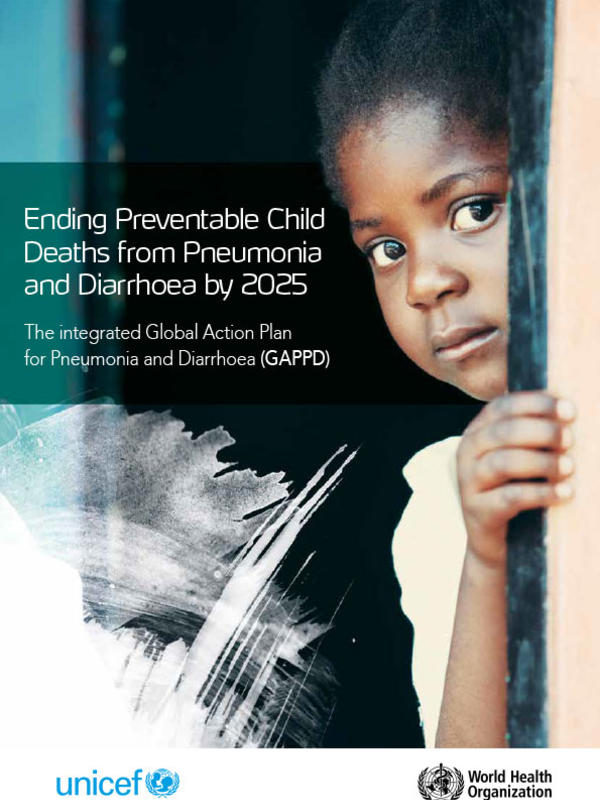
Ending preventable child deaths from pneumonia and diarrhoea by 2025

Stopping the loss of millions of young lives from pneumonia and diarrhoea is a goal within our grasp. This publication proposes a cohesive approach to ending preventable pneumonia and diarrhoea deaths. It brings together critical services and interventions to create healthy environments, promotes practices known to protect children from disease and ensures that every child has access to proven and appropriate preventive and treatment measures.

View online/download
External Link

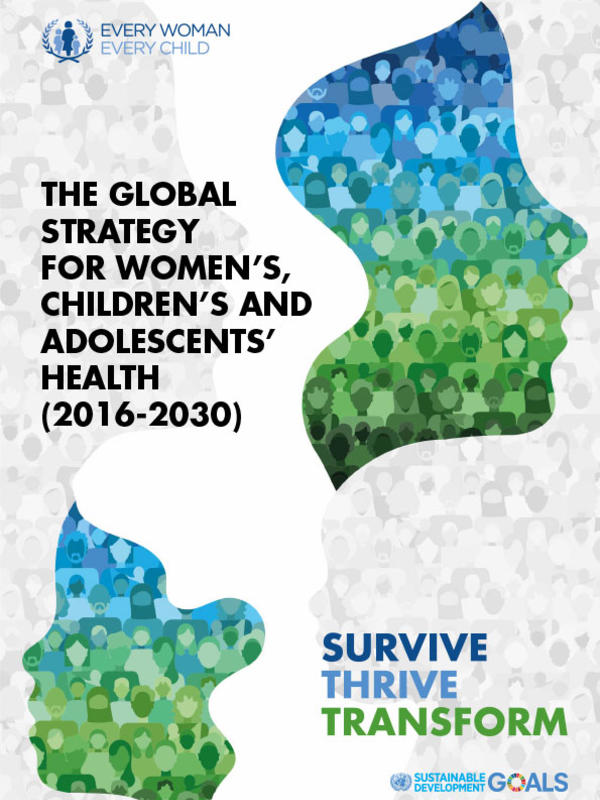
The global strategy for women's, children's and adolescents' health (2016-2030)

Today we have both the knowledge and the opportunity to end preventable deaths among all women, children and adolescents, to greatly improve their health and well-being and to bring about the transformative change needed to shape a more prosperous and sustainable future. That is the ambition of this 'Global Strategy for Women’s, Children’s and Adolescents’ Health'. The previous Global Strategy achieved great things between 2010 and 2015. It galvanized political leadership, attracted billions of dollars in new financial commitments and created 'Every Woman Every Child', a powerful multi-stakeholder movement for health. However, far too many women, children and adolescents worldwide still have little or no access to essential, good-quality health services and education, clean air and water, adequate sanitation and good nutrition. This updated 'Global Strategy', spanning the 15 years of the SDGs, provides guidance to accelerate momentum for women’s, children’s and adolescents’ health.

View online/download
External Link

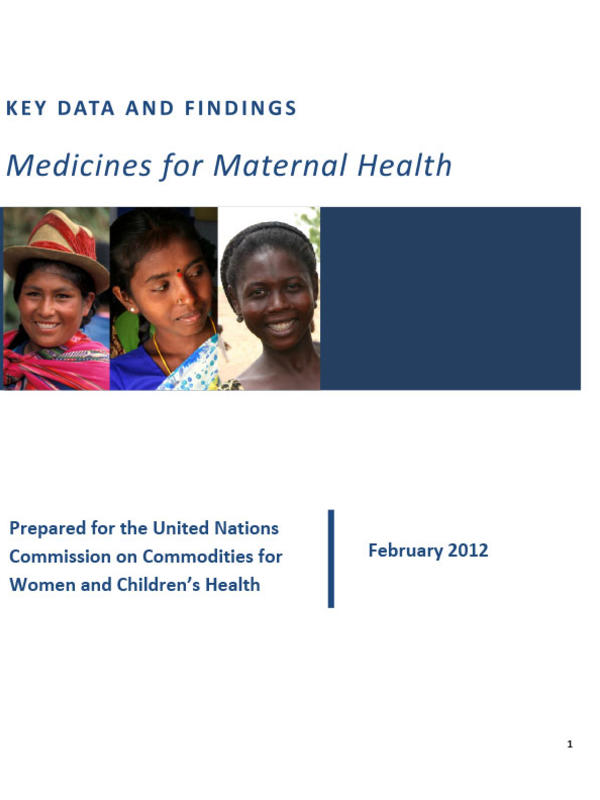
Medicines for maternal health

Expanding access to quality, affordable maternal health medicines is critical to making progress in reducing maternal mortality. However, significant challenges often impede such access. Chief among them is a lack of data on the needs, gaps, systems and financing for maternal health medicines. This report, prepared for the United Nations Commission on Commodities for Women and Children’s Health, provides a review of the current conditions and available evidence on maternal health medicines, specifically Oxytocin and Misoprostol to prevent post-partum haemorrhage and magnesium sulfate, considered the safest, most effective, and lowest-cost medication for treating pre-eclampsia and eclampsia. The report also includes 11 priority issues for actions.

View online/download
External Link

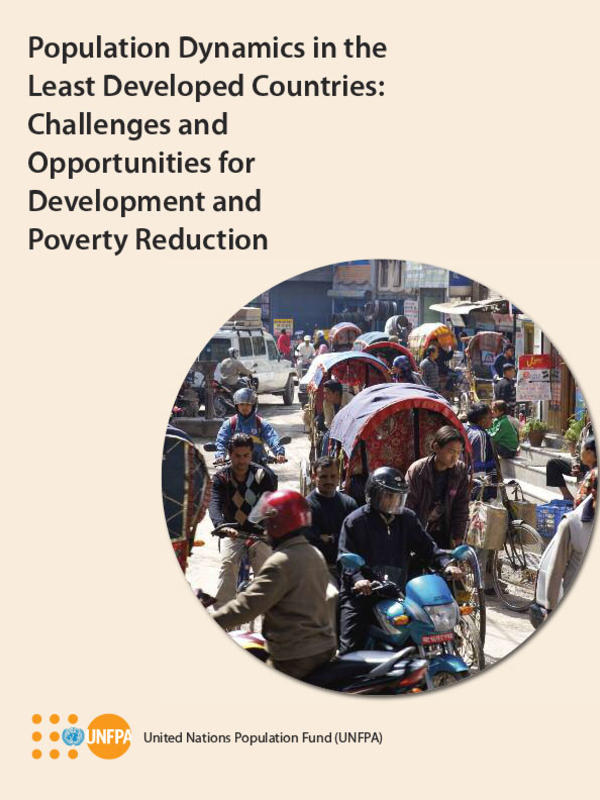
Population dynamics in the LDCs: challenges and opportunities for development and poverty reduction

This report, prepared for the 2011 UN Conference on Least Developed Countries, outlines major population dynamics in LDCs and addresses their implications for development and poverty reduction. It identifies five areas of intervention that can help countries anticipate, shape and plan for changes in their population. These areas include: focusing investments on adolescents and youth; increasing access to sexual and reproductive health care and empowering women; strengthening capacity to integrate population dynamics in the framework of sustainable development; linking population to climate change; and effectively utilizing data in public policy and development. According to the latest survey of the United Nations Population Division, about three-quarters of the governments of LDCs are concerned with major demographic shifts projected to impact them: high fertility, high population growth and rapid urbanization.

View online/download
External Link

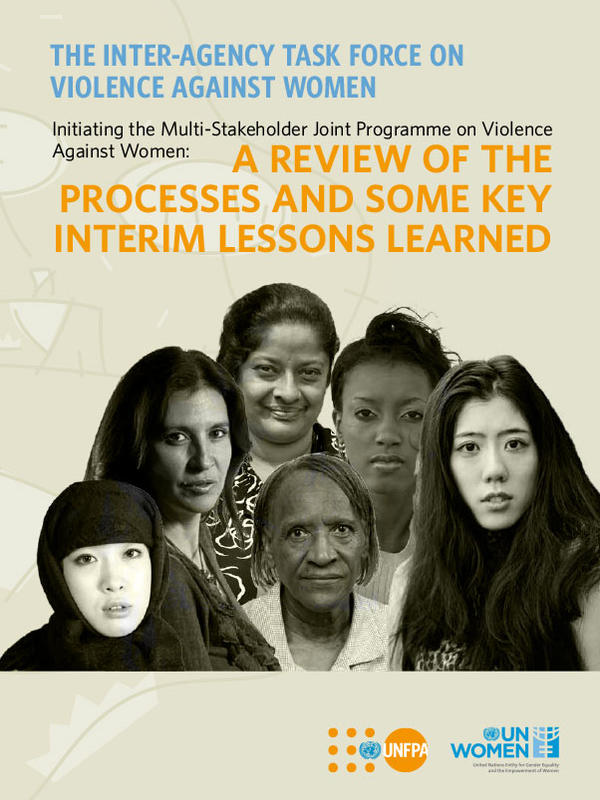
Initiating the multi-stakeholder joint programme on violence against women

This compendium documents the key processes involved in initiating multi-stakeholder joint programming on violence against women. It culls interim lessons from 10 pilot countries. The report provides a pragmatic overview of using joint programming as an approach to maximize results and sustainability. It provides guidance for in-country stakeholders (UNCTs, government and civil society) that are commencing similar multi-stakeholder joint programmes in countries globally. It includes step-by-step guidance on components of successful joint programming, from conducting baseline assessments to final monitoring and evaluation.

View online/download
External Link

Why is son preference declining in the Republic of Korea?

For years, the Republic of Korea presented the puzzling phenomenon of steeply rising sex ratios at birth despite rapid development, including in women’s education and formal employment. This paper shows that son preference decreased in response to development, but its manifestation continued until the mid-1990s due to improved sex-selection technology. The paper analyses unusually rich survey data, and finds that the impact of development worked largely through triggering normative changes across the whole society — rather than just through changes in individuals as their socio-economic circumstances changed. The findings show that nearly three-quarters of the decline in son preference between 1991 and 2003 is attributable to normative change, and the rest to increases in the proportions of urban and educated people. South Korea is now the first Asian country to reverse the trend in rising sex ratios at birth. The paper discusses the cultural underpinnings of son preference in pre-industrial Korea, and how these were unravelled by industrialization and urbanization, while being buttressed by public policies upholding the patriarchal family system. Finally, the authors hypothesize that child sex ratios in China and India will decline well before they reach South Korean levels of development, since they have vigorous programs to accelerate normative change to reduce son preference.

View online/download
External Link

Socio-cultural influences on the reproductive health of migrant women: A review of literature in Cambodia, Lao PDR, Thailand and Viet Nam

This paper is an overview of the analysis presented in a series of four literature reviews that the United Nations Population Fund (UNFPA) commissioned to identify sociocultural factors that affect the sexual and reproductive health of female migrants. The reviews encompassed looking at research, study reports and other available documents, mainly from the past decade, on internal migrants in Cambodia, Lao People’s Democratic Republic and Viet Nam, and international migrants from Myanmar in Thailand. The reviews were premised on the assumption that socio-cultural factors impact on the potential of female migrants to access sexual and reproductive health information and services and protection from violence. The consultants sought to identify factors enabling access to information and services, as well as examples of good intervention models that might be replicated or scaled up. Potential barriers to access of reproductive health services by female migrants were also described.

View online/download
External Link

Study on traditional beliefs and practices regarding maternal and child health in Yunnan, Guizhou, Qinghai and Tibet

The study was undertaken in the provinces of Guizhou, Yunnan, Qinghai and Tibet and considered the cultural beliefs and practices of selected representatives of six ethnic minority groups - Miao, Dong, Jingpo, Dai, Hui and Tibetans - in relation to key aspects of maternal and child health. It was designed to identify enabling factors that contribute to the uptake of MCH services, as well as any harmful traditional practices or other barriers that impede maternal and child health and utilization of related services. Information was gathered in relation to religious and traditional beliefs and practices in general, as well as attitudes, beliefs and practices in relation to health and nutrition of pregnant women and children. The research team was tasked to identify and highlight specific practices, beliefs or attitudes – from either demand or supply side - which could be targeted in MCH guidelines, policy and service delivery, in order to enhance access to and utilization of MCH services, thus contributing to improved health targets.

View online/download
External Link

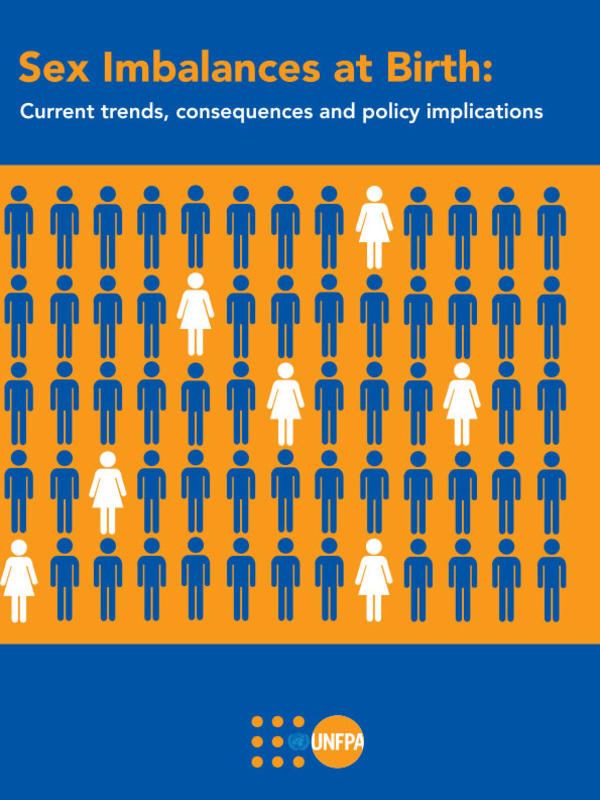
Sex imbalances at birth: current trends, consequences and policy implications

This report offers an updated review of the various facets and the latest trends and differentials in sex selection in Asia. It includes a set of recommendations to combat gender discrimination and prenatal sex selection at the national and regional level. Education, urbanization and economic development have significantly improved opportunities for Asian women and girls over the last two decades. Yet, this has coincided with a fall in the proportion of girls among children in many countries. The decline, caused to a large extent by an increase in prenatal sex selection in the past 20 years, is leading to an alarming demographic masculinization. This intensifying gender imbalance will have an adverse impact at many levels on men, women and families over the next half century.

View online/download
External Link

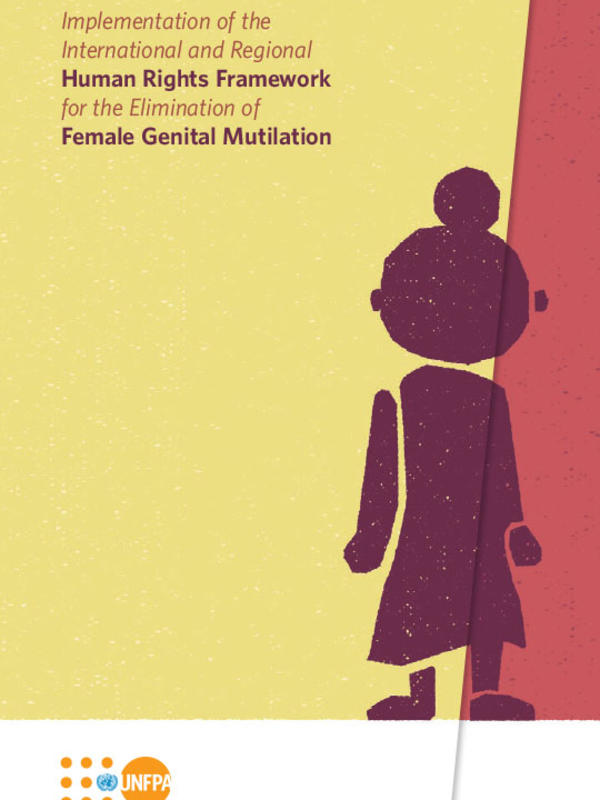
Implementation of the international and regional human rights framework for the elimination of female genital mutilation

A human rights approach to FGM places the practice within a broader social justice agenda — one that emphasizes the responsibilities of governments to ensure realization of the full spectrum of women’s and girls’ rights. In order to place FGM within a human rights framework, it is critical to know more about human rights law. The aim of this paper is to contribute to the dearth of literature focusing on the gross violation of human rights through the practice of FGM. It also addresses the corresponding duties of governments under international human rights law.

View online/download
External Link

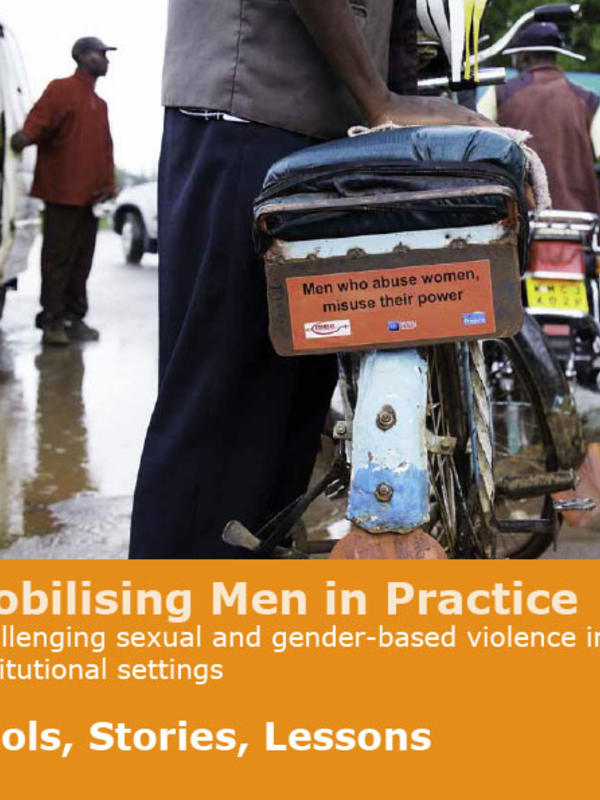
Mobilising men in practice: challenging sexual and gender-based violence in institutional settings

Men need to be involved in reflective, in-depth discussions and comprehensive campaigns focused on ending violence against women. This report documents the work of one such effort, the Mobilising Men initiative, led by the Institute of Development Studies (University of Sussex in Britain) with support from UNFPA. Through partnerships with civil society groups in India, Kenya and Uganda beginning in 2009, the initiative trained men to be team activists in seeking gender balances. By immersing the participants in a programme of dialogue and action that challenge the inherent nature of male privileges and power structures in society – government, academia and workplace – the men learned a lot about themselves and how they can begin to address inequities. By providing step-by-step tools, discussion topics and stories about the Mobilising Men participants, the publication acts as a guide for activists to instil change in institutions that impede women’s progress through both subtle and obvious barriers.

View online/download
External Link


Suggest a publication

Feel free to submit a publication.

Submit here