Languages

Topbar Menu EN

The SDG Fund is operationally closed. This site is alive for knowledge and dissemination purposes.
Warning: This website is closed. Be aware of phishing or social engineering fraudulent requests of payments or certificates. Explore our programme areas.
Please visit jointsdgfund.org

Search our database of publications


Leaving no one behind: report on the World Social Situation 2016
Despite unprecedented social progress around the world, many people continue to face social exclusion and limited access to social, economic and political opportunities. This report examines the social, economic and political disadvantages that some groups of the population face, namely youth, older persons, ethnic minorities, indigenous peoples, migrants and persons with disabilities. It also makes policy recommendations to help governments overcome development hurdles and address barriers that limit people’s access to opportunities.

View online/download
External Link

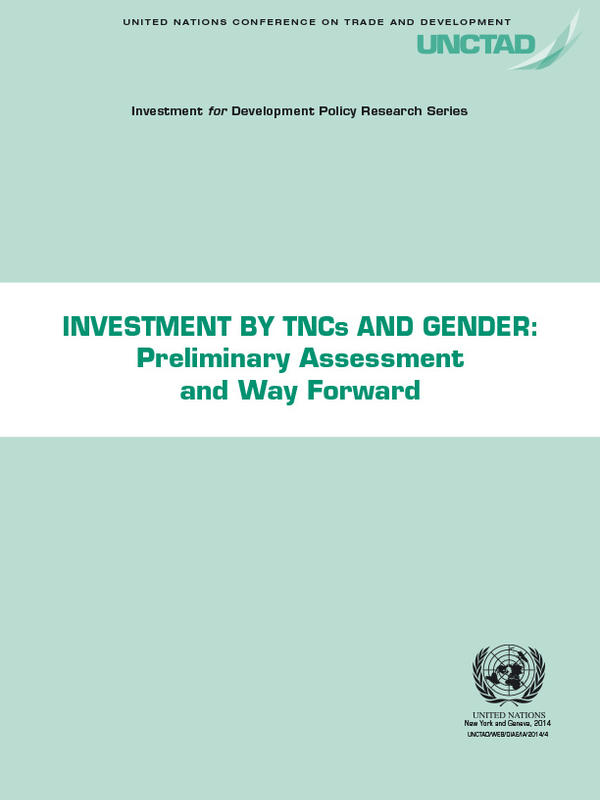
Investment by TNCs and gender: preliminary assessment and way forward

Through their activities in foreign direct investment (FDI) -- trade, non-equity modalities and business relationships with local suppliers -- transnational corporations (TNCs) have significant gender-specific impacts in developing countries. This report is a preliminary assessment of this impact. It focuses mainly on gender equality, spanning the wage and employment impact of TNCs, and the related potential for women's empowerment. Based on the analysis presented, the report proposes three key policy recommendations for governments.

View online/download
External Link

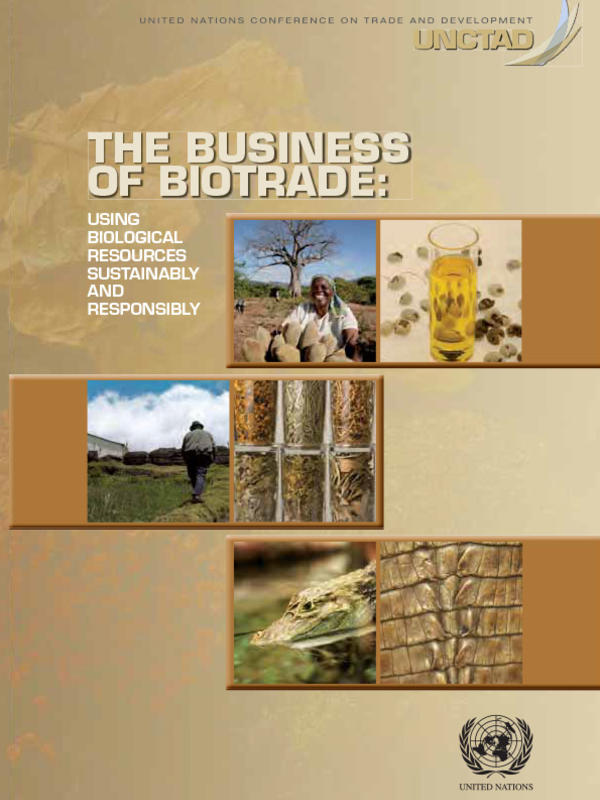
The business of BioTrade: using biological resources sustainably and responsibly

BioTrade refers to the collection, production, transformation, and commercialization of goods and services derived from native biodiversity (species and ecosystems) under the criteria of environmental, social and economic sustainability. To give fuller meaning to this concept, UNCTAD, together with international partners and practitioners at country level, has defined seven BioTrade principles. This informational paper explores how the efforts of the BioTrade Initiative provide incentives for business to conserve biodiversity through using biological resources sustainably and responsibly. Through a review and assessment of distinct case studies, it identifies the actual, practical, bottom-up incentives generated by BioTrade partners and practitioners.

View online/download
External Link

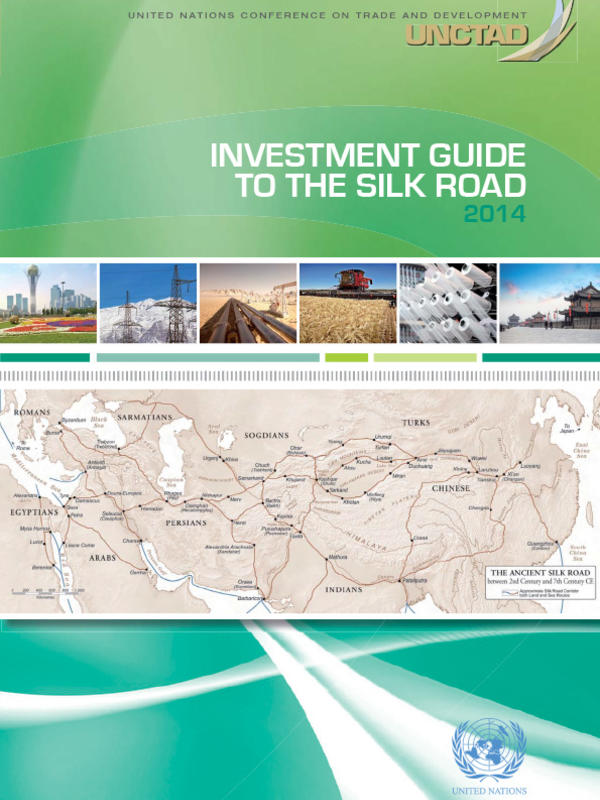
Investment guide to the Silk Road

In 2013 the World Bank identified the Silk Road countries as one of the regions that has made the most progress in improving the ease of doing business. A network of investment treaties and double taxation agreements also signals the increasing openness of the region to international investment. This guide provides potential investors with information on the Silk Road to illustrate the various investment opportunities in Central Asia, and familiarize themselves with the region. Chapter I introduces the region and individual economies, and summarizes the extensive history of the Silk Road, from its ancient prosperity to its current revival. Chapter II provides the reader with information about the economic conditions of each country and the region as a whole. Chapter III outlines investment opportunities in selected sectors in the Silk Road countries. The Appendices provide brief overviews of the investment regulatory framework in each of the Silk Road countries.

View online/download
External Link

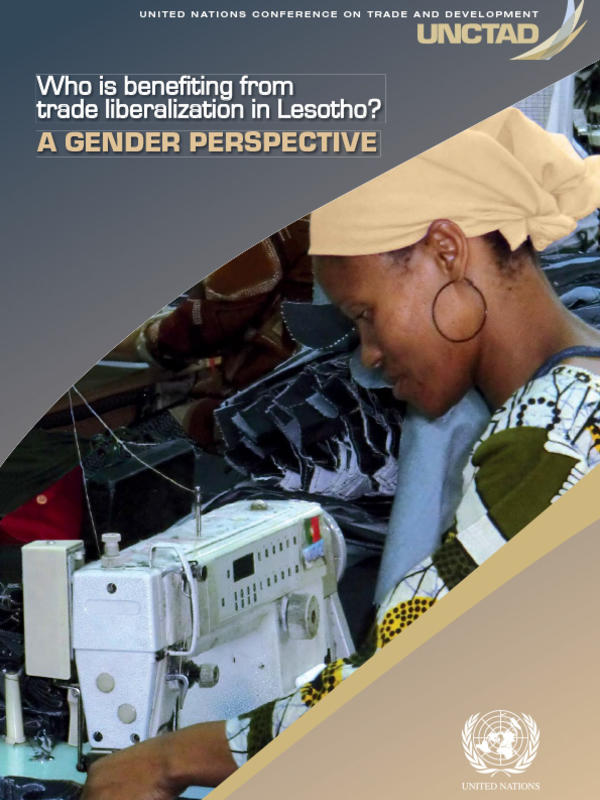
Who is benefiting from trade liberalization in Lesotho? A gender perspective

Though important gender gaps persist in a number of critical areas, the experience of Lesotho highlights that the political resolve to promote gender equality is not, and should not be, a monopoly of high-income countries. Even those countries qualified as least developed countries (LDCs) can ambitiously adopt and implement strategies and policies aimed at reducing gender-based disparities. The Lesotho case study highlights the multifaceted relationship between trade policy on the one hand, structural changes and productive transformation on the other, and their repercussions on patterns of employment for men and women. In particular, the rise – and subsequent relative decline – of Lesotho as a major apparel exporter to the United States illustrates clearly the strong correlation between trade policy, structural change in the economy, and shifting gender patterns.

View online/download
External Link

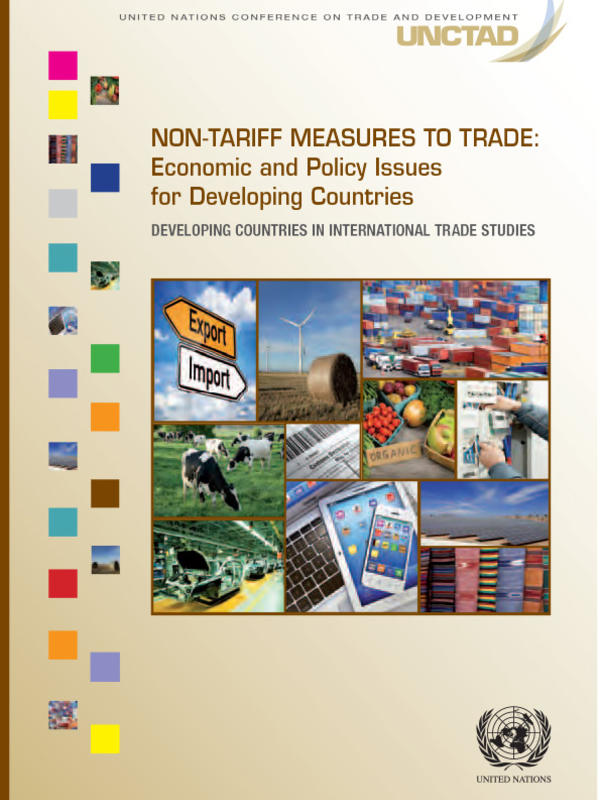
Non-tariff measures to trade: economic and policy issues for developing countries

This study contributes to a better understanding of the implications of Non-Tariff Measures (NTMs) for developing countries in two regards. First, it provides an analysis of the utilization, methods of quantification and impacts of NTMs. These issues are discussed in sections I, II and III. Secondly, the study also illustrates some aspects of NTMs and the policy responses Governments and the international community might deploy to address some of the issues related to NTMs. These issues are presented in sections IV, V and VI. As a whole, this study brings two main messages to trade analysts and policymakers in regard to NTMs. The first is that, given their importance but the still limited understanding of them, further research and analysis are required. The second is that a multilateral policymaking process, although difficult, is critical to minimizing their distortionary and discriminatory effects.

View online/download
External Link

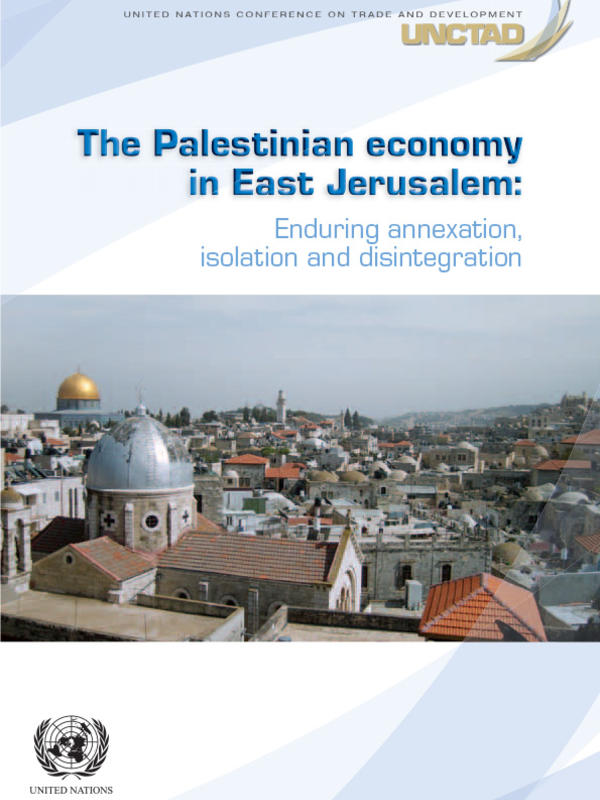
The Palestinian economy in East Jerusalem: enduring annexation, isolation and disintegration

International organizations and Israeli and Palestinian non-governmental organizations have published reports and studies in recent years on East Jerusalem focused mainly on political and social conditions. But few have examined its economy, which is generally considered to follow the overall trend of the West Bank economy and is represented statistically as part of it. Be that as it may, East Jerusalem’s economy, like other features of its society, culture and landscape, is also shaped by factors unique to its particular experience in the face of Israeli occupation and settlement. This report aims to explore these hitherto neglected issues within the context of the secretariat’s continuing assessment of the economic development prospects of the occupied Palestinian territory and obstacles to trade and development, and with a view to alleviating the adverse economic and social conditions imposed on the Palestinian people, as called for by the Doha Mandate.

View online/download
External Link

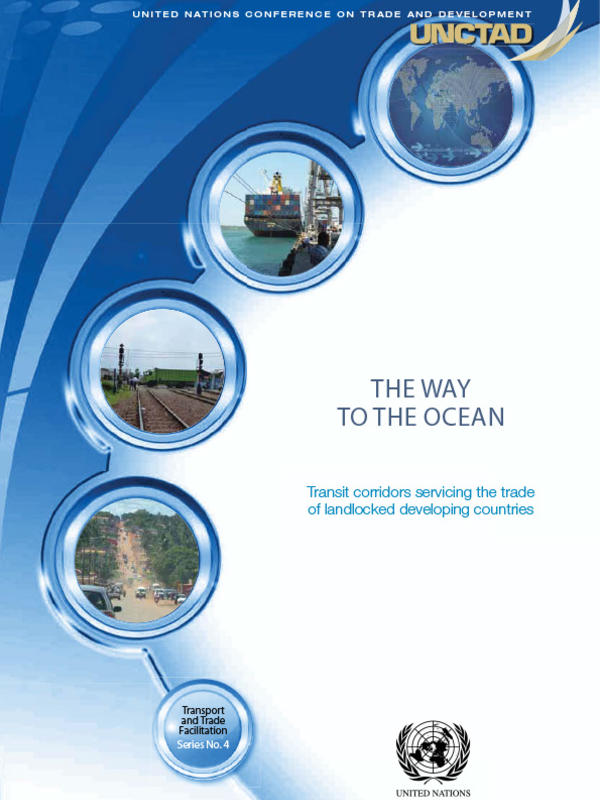
The way to the ocean: transit corridors servicing the trade of landlocked developing countries

The present paper looks at selected East African transit corridors which provide access to seaports as gateways to link landlocked developing countries (LLDCs) with overseas trading partners. The report suggests three complementary courses of action to improve transit transport efficiency and sustainability: 1) Building institutional capacity through corridor management arrangements, including formal agreements, where and as appropriate; 2) Improving the reliability and predictability of transit operations by trust-building measures between public regulators and private operators, such as risk-management customs systems, which allow for fewer en route checks, shorter delays and smaller convoys; 3) Developing and operating transport nodes, or freight hubs, with a particular focus on the consolidation of small flows, to create critical masses required to achieve economies of scale, higher return on investment on both infrastructure and transport services, and lead to the development of effective intermodal transit operations.

View online/download
External Link

Trade remedies: targeting the renewable energy sector

The study and the meeting are part of a larger effort by UNCTAD to analyse issues arising at the interface of trade policy and green economy, more specifically renewables, which is shorthand for goods and services used in conjunction with renewable energy sources. There can be little doubt that trade remedies are a sensitive area. Trade remedies may have a significant effect on value and job creation throughout the supply chain as a whole. Trade remedies are bound to have competitive implications. Trade remedies against renewables provide a counterpoint to the initiative to reduce tariffs on environmental goods, particularly since some of the most active users of trade remedies participate in the initiative. Trade remedies shatter the alliances among interest groups. On the dispute settlement front, clearly what we see there is disputes on trade remedies that happen to involve renewables rather than disputes about renewables that happen to involve trade remedies. These disputes are about how trade remedies work and in many ways are a continuation of discussion and negotiations that have been going on for the past 12 -13 years about issues such as public interest test, lesser duty etc., which suddenly become relevant again in the context of renewables. The study is far from an exhaustive examination of these issues, of course. In many areas, the analysis is speculative, aimed at raising questions and suggesting areas where policy makers and analysts may need to consider undertaking further analysis.

View online/download
External Link

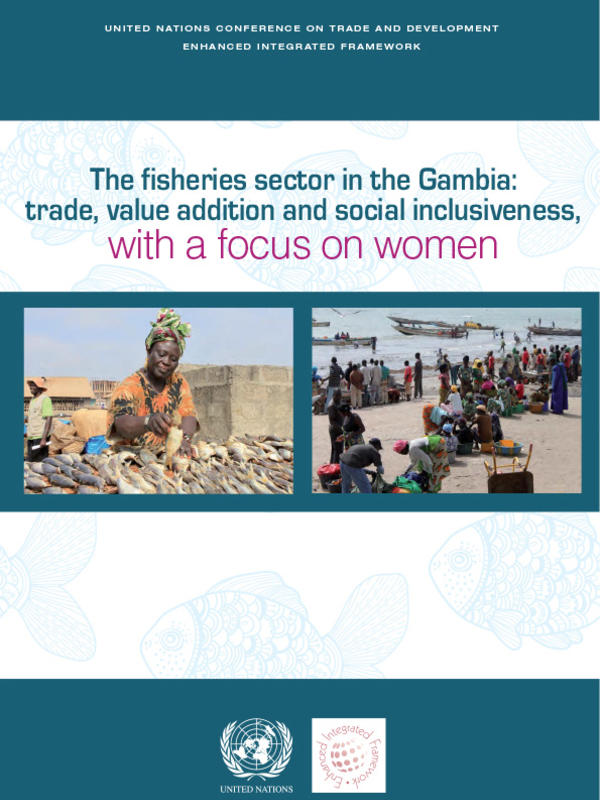
The fisheries sector in the Gambia: trade, value addition and social inclusiveness, with a focus on women

This analytical report - part of UNCTAD’s activities on trade, gender and development - is intended to accompany the Diagnostic Trade Integration Study (DTIS) Update for 'The Gambia: Harnessing Trade for Growth and Employment', carried out under the Enhanced Integrated Framework (EIF) for trade-related assistance for Least Developed Countries. It sets out a detailed analysis of the fisheries sector and its prospects for value-addition and social inclusiveness, with a focus on women. The intention is to capture all the information generated through the DTIS Update process, and disseminate this knowledge to a broader audience.

View online/download
External Link

Who is benefiting from trade liberalization in Angola? A gender perspective

The study seeks to explore the impacts of Angola's integration into the world economy mainly as an oil exporter, and in particular, to analyse whether there is a gender bias in the effects of trade. The findings suggest that the extractive nature of Angola's economy has significantly constrained its diversification potential, and has limited the development of productive activities that could absorb the female workforce and provide women with decent incomes. Moreover, a defining characteristic of the Angolan labour market is the size of the informal sector, which is proportionately one of the largest in the developing world. This sector provides the main occupation for 70 per cent of the female population in the country. This UNCTAD study takes a close look at the role of women in Angola's economy and society as it attempts to answer the following questions: What strategies could be put in place to address the potential exclusionary effects of Angola's trade liberalization? How can women take advantage of the positive spillovers from Angola's extractive economy and ultimately benefit from trade? What kind of sectoral policies can be promoted in order to generate new opportunities for women and have them benefit more from the booming economy?

View online/download
External Link

The oceans economy: opportunities and challenges for Small Island Developing States

This report underlines the importance of sustainable oceanic activities for the development of Small Island Developing States (SIDS) and other coastal states. Both opportunities and challenges for SIDS are identified in existing and emerging trade-related sectors such as sustainable fisheries and aquaculture, renewable marine energy, marine bio-prospecting, maritime transport and marine and coastal tourism. It also points at the need to consider the formation of regional economic groupings that combine their "economic exclusive zones" under a common oceans economic space in order to be able to seize, manage and sustainably use joint resources and build common infrastructures.

View online/download
External Link

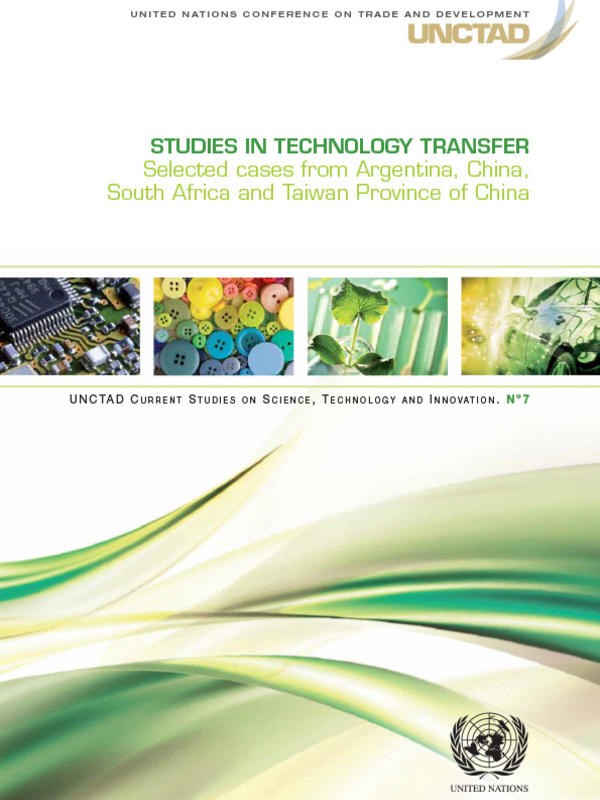
Studies in technology transfer: selected cases from Argentina, China, South Africa and Taiwan Province of China

This paper builds on ongoing efforts by UNCTAD to investigate the role of the transfer of technology in economic development. The paper examines the role of technology transfer in the development of integrated circuits production in Taiwan Province of China, button manufacturing in Qiaotou, China, auto-mobile manufacturing in South Africa and biotechnology development in Argentina. The cases therefore cover high-technology activities (integrated circuits and biotechnology), medium-technology activities (auto-mobiles) and low-technology activities (buttons). It is hoped that this approach illustrates the potential for technology transfer to play a role in activities of widely differing knowledge, technology and skill intensities. These cases represent varying degrees of success in the leveraging of technology transfer and local capability development for industrial development in developing economies.

View online/download
External Link

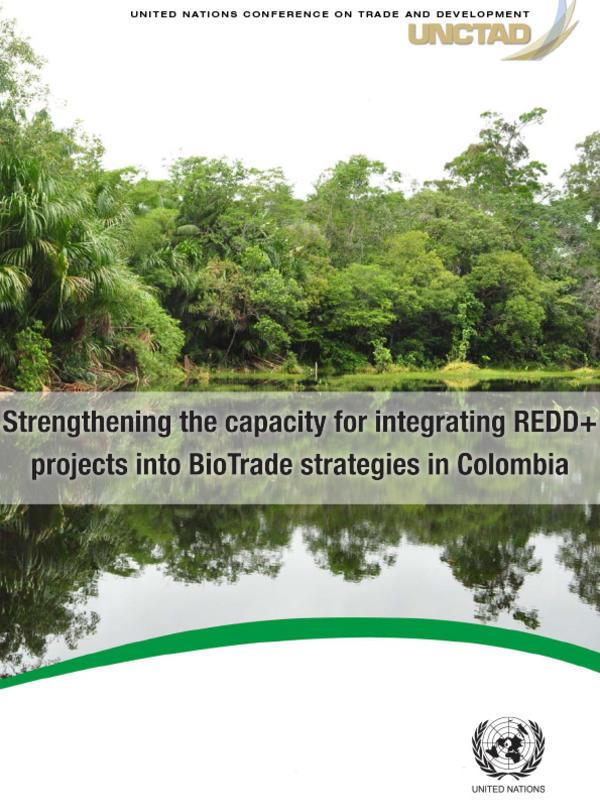
Strengthening the capacity in integrating REDD+ projects into BioTrade strategies in Colombia

Market based mechanisms for climate change mitigation and trade of biodiversity-based products and services offer an opportunity for countries to conserve their forests and invest in low-carbon emission paths to achieve sustainable development. The combination of REDD+ and BioTrade offers additional financial incentives for developing countries to reduce carbon emissions from deforestation and forest degradation while sustainably using and tradings derived products and services such as essential and vegetable oils, and ecotourism, among others. Harnessing these opportunities for developing countries is what UNCTAD aimed to explore and enhance through the project "Strengthening the capacity of policy-makers and business leaders in three BioTrade beneficiary countries in integrating REDD+ projects into BioTrade strategies" in Colombia, Ecuador and Brazil. This report presents the findings of the project in Colombia. It provides an overview of the regulatory framework, initiatives, opportunities and constraints pertaining to the implementation of REDD+ and BioTrade in Colombia. It also analyses the feasibility of linking REDD+ strategies and BioTrade in Colombia and provide recommendations on the way forward.

View online/download
External Link

Trade policy framework: Jamaica

The ongoing review of Jamaica’s trade policy is motivated by the Government’s assessment that the country’ trade has underperformed over the last 20 years. This underperformance is characterized by limited export growth and increased imports, as well as continued dependence on a few export products that have lost competitiveness in recent times and developed country markets that have been greatly affected by the financial crisis.This Trade Policy Framework was prepared at the request of Ministry of Foreign Affairs and Foreign Trade of Jamaica. It provides a review of the country’s overall national development objectives and recent economic trends, an analysis of linkages between existing strategies and plans in different spheres of policymaking and trade policy in both the goods and services sectors, and recommendations for integrated strategic approaches to achieving the country’s key vision and objectives for its trade policy.

View online/download
External Link

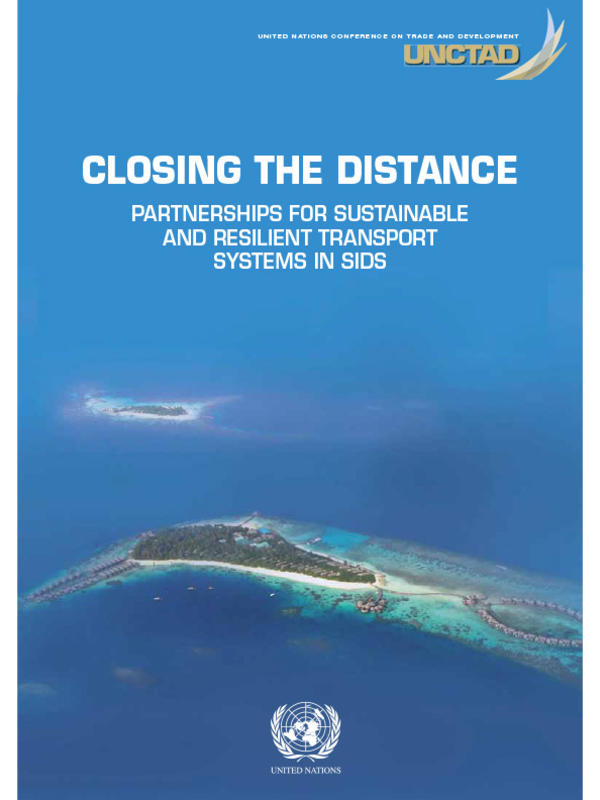
Closing the distance: partnerships for sustainable and resilient transport systems in Small Island Developing States

This report informs about the maritime transport situation in Small Island Developing States (SIDS) and underscores the strategic importance of this economic sector for SIDS economies and communities. It provides an overview of the maritime transport situation in SIDS and presents data on relevant aspects, including shipping connectivity levels, direct and indirect shipping services, port issues, as well as trade structure and patterns. Relevant cross-cutting concerns such as SIDS high dependency on fossil fuel energy imports, exposure to climate change impacts and natural disasters as well as financial and human capacity constraints are also addressed. The report points to relevant opportunities which could be capitalised upon to support SIDS sustainable development and “blue growth”. Finally, the report concludes with a number of suggestions and recommendations for the way forward.

View online/download
External Link

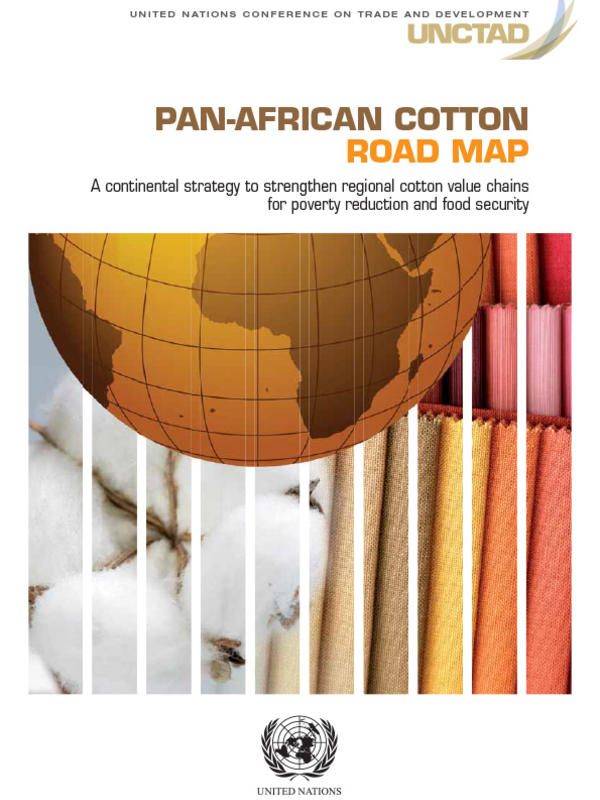
Pan-African cotton road map: a continental strategy to strengthen regional cotton value chains for poverty reduction and food security

The objective of this road map is to create synergies between the numerous interventions in favour of African cotton, and between the different categories of stakeholders at national, regional and international level. As such, it aims to become a complement to what already is in place in the regions by providing a common framework at the Pan-African level that addresses the existing strategies and national and regional policies from a Pan-African perspective. The road map is organized as follows: Part I succinctly describes the background to the Road Map, its link to the achievement of Millennium Development Goals and the translation of these into actions to be conducted; Part II enunciates the Road Map’s various activities based on the outcome of the Cotonou meeting around the three themes: Productivity, Marketing and Value-addition. This part also introduces other proposals, facilitation of the Road Map, its Action Plan and indicators of progress.

View online/download
External Link

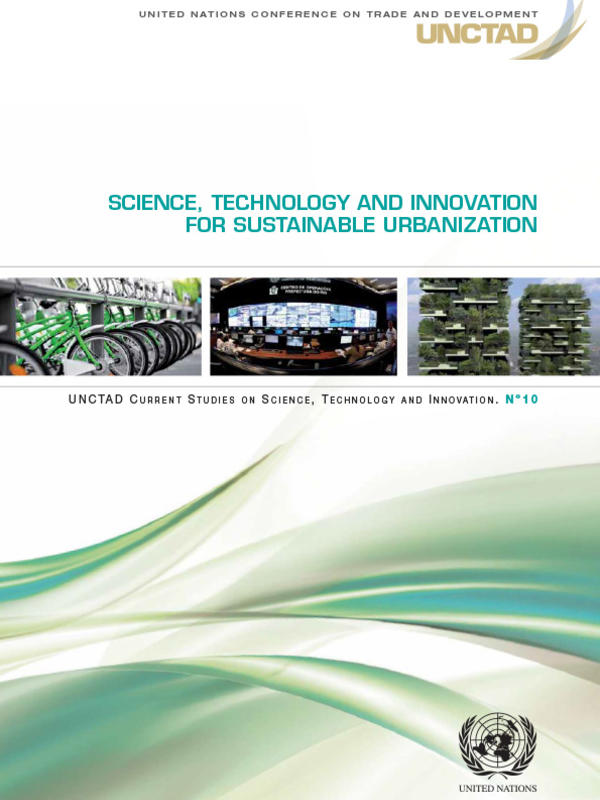
Science, technology and innovation for sustainable urbanization

This report aims to contribute to the sustainable urbanization discourse by addressing the specific role of science, technology and innovation. It is based on literature review and an analysis of cities in developed and developing countries that provide examples that can be reapplied elsewhere. The report provides a fresh perspective on the discussion on sustainable urbanization, drawing on current research and case studies from around the world. The report identifies key sectoral planning challenges posed by rapid urbanization, particularly in developing countries, and proposes practical guidelines to city planners and other decision makers for addressing these challenges through the use of science, technology and innovation.

View online/download
External Link

Trade policy framework: Tunisia

This study was undertaken upon the request of the Government of Tunisia to assist the country in evaluating whether it should become a participant in the Information Technology Agreement (ITA) of the World Trade Organization. The study looks at: 1) The revenue effects of eliminating import tariffs on all IT products under the product coverage of the ITA; 2) Whether becoming a participant in the ITA will contribute towards achieving the overall objective of the Government to attract greater FDI into the country, in particular the IT sector, through elimination of import tariffs on all IT products and binding other duties and charges at zero for those products that fall under the product coverage of the ITA; 3) The economy-wide implications of becoming a participant in the ITA, through a linkage analysis to gauge whether establishment of an IT sector in Tunisia might have strong backward and forward linkages with other sectors of the economy and thus boost their growth and expansion as well; 4) Complementary measures and/or policies that should be adopted by the Government to further encourage the growth and expansion of the IT sector through both FDI and domestic direct investment.

View online/download
External Link

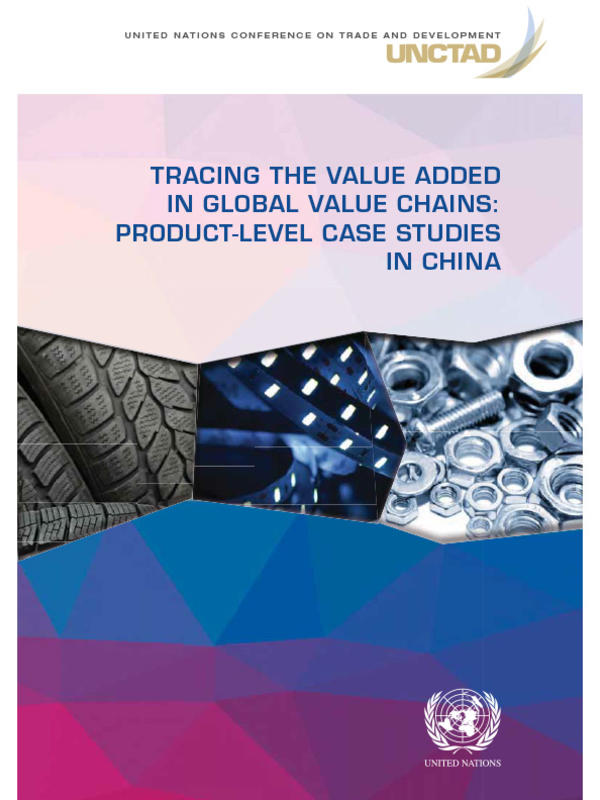
Tracing the value-added in global value chains: product-level case studies in China

Three product-level case studies were conducted to identify where China is placed within the GVCs and to find out what and to what extent value is added in China. The three case studies relate to rubber tyres, light-emitting diodes (LEDs) and fasteners. They reveal that the selected industries are based mostly on mid-level technologies, and that China is generally in the midstream of the GVC with its comparative advantage in labour cost vis-à-vis its developed trading partners. The publication concludes with lessons learnt from the case studies and a set of policy recommendations.

View online/download
External Link

Facilitating the participation of landlocked developing countries in commodity value chains

Landlocked developing countries (LLDCs) face multiple trade and development challenges. In addition to their geographical predicaments and remoteness from international markets, most of these countries are commodity dependent. The present study argues that despite the challenges, the case for diversification and structural economic transformation remains more persuasive for LLDCs today than ever before. Empirical and historical evidence suggests that diversification, value addition and retention are key to attaining overall development objectives. The study also underscores the importance of joining regional and global commodity value chains and the urgency for those countries to take advantage of their natural resources wealth by enacting sound development polices and strategies that put productive capacities and structural economic transformation at the centre.

View online/download
External Link

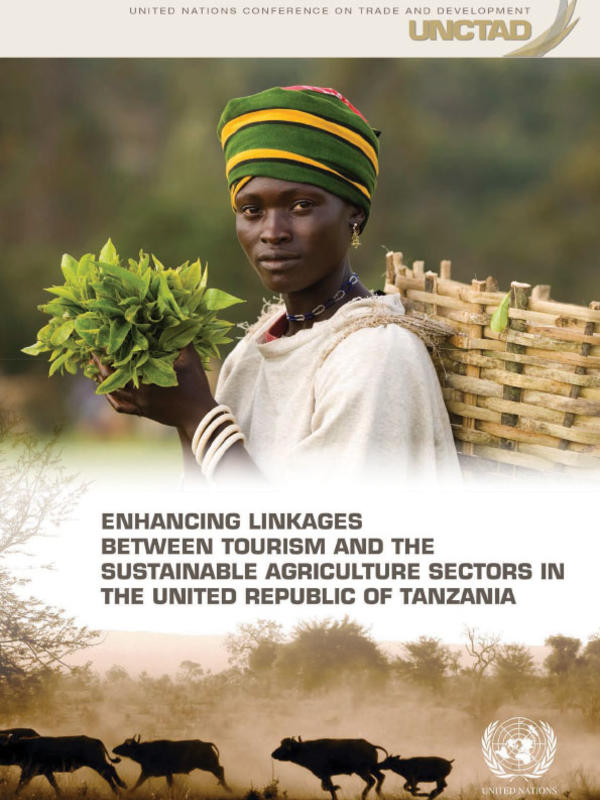
Enhancing linkages between tourism and the sustainable agriculture sectors in the United Republic of Tanzania

The United Republic of Tanzania has vast untapped natural resources, including an abundance of wildlife, unexploited mineral reserves and arable land, which offer a wide range of development opportunities. Tourism and agriculture are important contributors to the development of the local economy. The main objective of this report is to enhance the understanding of linkages between these two sectors, as well as propose suggestions for how they could be strengthened with the aim of promoting bottom-up sustainable development in the United Republic of Tanzania. In order to promote sustainable development, this report proposes a set of potential thematic strategies that can be used as stepping-stones for building an institutional framework able to link the tourism and agriculture sectors at multiple levels – country, regional, local and community.

View online/download
External Link

Technology in action: good practices in Science, Technology and Innovation (STI) policies for women in South Asia

The publication is focused on policies and initiatives carried out in countries in South Asia that show how Science, Technology and Innovation (STI) can help the condition of women in this region. Focusing the analysis on regional levels allows for the consideration of existing commonalities across countries in different geographical regions in relation to gender equality and the different circumstances across and within countries. This report was elaborated based on a comprehensive analysis of secondary literature on programmes and policies on gender, STI and other sectors conducted in the region by local governments in collaboration with international agencies and other organizations. The experiences presented in this report show that STI policies usually contribute to improving the livelihoods of women and enhancing gender equality through the following mechanisms: introducing and diffusing technological and scientific developments that improve the life of women; creating and strengthening, both directly and indirectly, capacities related to STI; and introducing financial innovations such as microcredit and related skills for entrepreneurs.

View online/download
External Link

Developing business linkages for green affordable housing in Zambia

This report investigates the potential for building business linkages between micro, small and medium sized enterprises (MSMEs) in the construction industry in Zambia and large domestic and international companies and investors. It adopts a step-by-step methodology, taking international firms and property developers through the full process of doing business in the low and middle income housing sector in Zambia – highlighting opportunities to partner with local MSMEs and others stakeholders. Partnerships are vitally important at all levels and they have a crucial role to play in capacity building and creating sustainable employment which also align with the aims of the Zambia Green Jobs Programme. From the outset it is understandable that there is no “one-size fits all” approach which can be taken; a number of innovative business solutions already operating in other developing countries offer considerable potential for Zambia. The four short case studies presented in the report, illustrate different but successful approaches taken to the provision of affordable housing, with particular reference to low and middle income affordable housing solutions.

View online/download
External Link

Who is benefiting from trade liberalization in Uruguay? A gender perspective

This report aims to assess the implications of Uruguay’s productive transformation, trade liberalization, and regional trade integration on women, especially in terms of their access to employment. The report encourages the reader to take into account the complexities of the trade and gender link and its numerous, and sometimes hidden, connections with the micro and macro components of economic and development processes. The research also highlights that Uruguay’s legal framework as well as social norms and stereotypes contribute to the role that women play in the labour market and society. The long-term approach of the study, covering three decades of economic and social reforms, provides the basis for anticipating the role that the female workforce may play in Uruguay in the decades ahead.

View online/download
External Link


Suggest a publication

Feel free to submit a publication.

Submit here