Languages

Topbar Menu EN

The SDG Fund is operationally closed. This site is alive for knowledge and dissemination purposes.
Warning: This website is closed. Be aware of phishing or social engineering fraudulent requests of payments or certificates. Explore our programme areas.
Please visit jointsdgfund.org
Search our database of publications


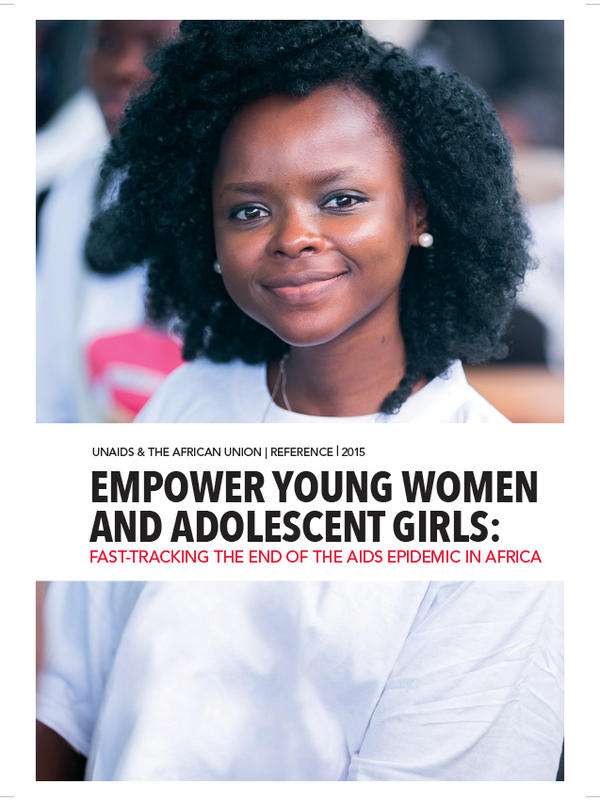
Empowering young women and adolescent girls: fast-tracking the end of the AIDS epidemic in Africa
Fast-tracking the end of the AIDS epidemic by 2030 requires strong political leadership and commitment to stop new infections and deaths among young women and adolescent girls and eliminate mother to child transmission of HIV. This requires building on, and extending Africa’s commitments on sexual and reproductive health and rights, expanding ministerial commitments on comprehensive sexuality education and stopping early marriage, adolescent pregnancy and expanding treatment service coverage.

View online/download
External Link

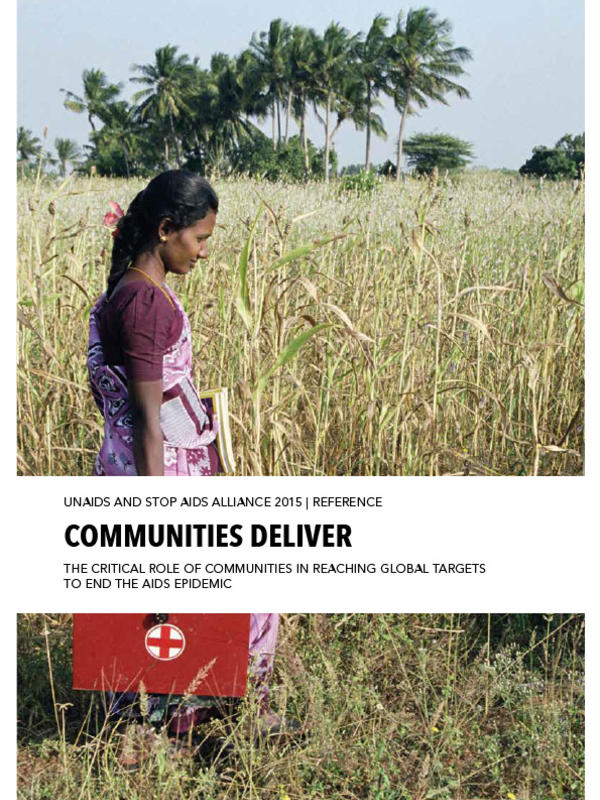
Communities deliver: the critical role of communities in reaching global targets to end the AIDS epidemic

This report draws on multiple sources to document the many ways in which communities are advancing the response to AIDS, and the evidence for the effectiveness of these responses. Core areas of community-based activities include advocacy, service provision, community-based research and financing; each of these areas is illustrated by examples of community-based actions.

View online/download
External Link

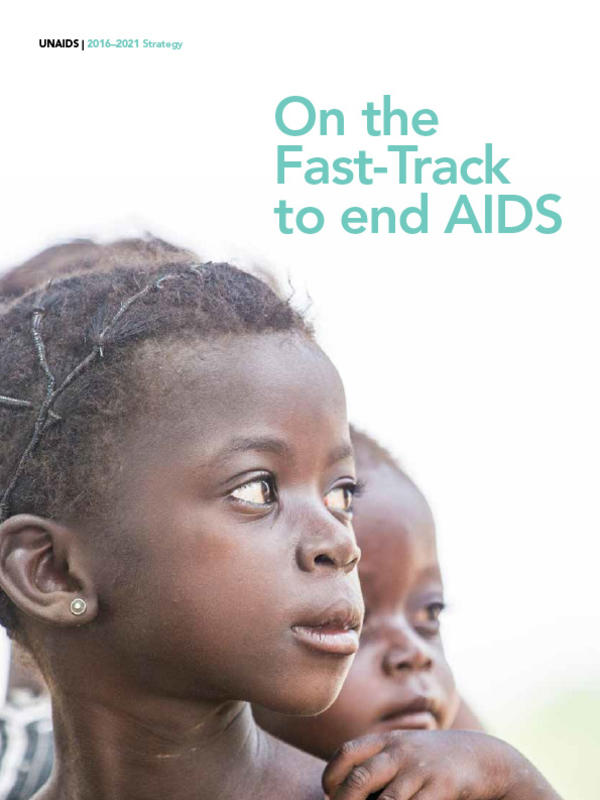
UNAIDS 2016–2021 strategy: on the fast-track to end AIDS

The 2016–2021 Strategic Leadership Agenda is deliberately organized within the SDG framework around five SDGs most relevant to the AIDS response. Fast-Tracking the response will require development efforts to ensure good health, reduce inequalities, achieve gender equality, promote just and inclusive societies and revitalize global partnerships. Other SDGs are, however, pertinent to the AIDS response. Ten critical targets have been set—measurable targets that have been modelled as those most critical to ensure that the ambitious Fast-Track goals will be met. The targets, however, do not represent the totality of concerted effort needed across the result areas. The result areas constitute core dynamic and cross-cutting programmes of work, which will contribute to the achievement of all the targets. Achieving a set of prioritized targets and results will translate into better social, educational and economic outcomes and into health, human rights and dignity for millions of people—a continuation of the role of the AIDS response as a pathfinder for social justice and sustainable development

View online/download
External Link

Sustaining the human rights response to HIV

The human rights response to HIV, largely implemented by civil society, has been crucial to the HIV response, but it appears that the funding for this work is insufficient and may be threatened further. Based on these concerns—and with the support of the Ford Foundation—UNAIDS commissioned research to better understand the current and future funding landscape as experienced by the civil society groups that are implementing key human rights programmes in the HIV response. This paper presents the results of this research and makes recommendations in an effort to ensure sufficient and sustainable funding for that crucial work until the end of the AIDS epidemic.

View online/download
External Link

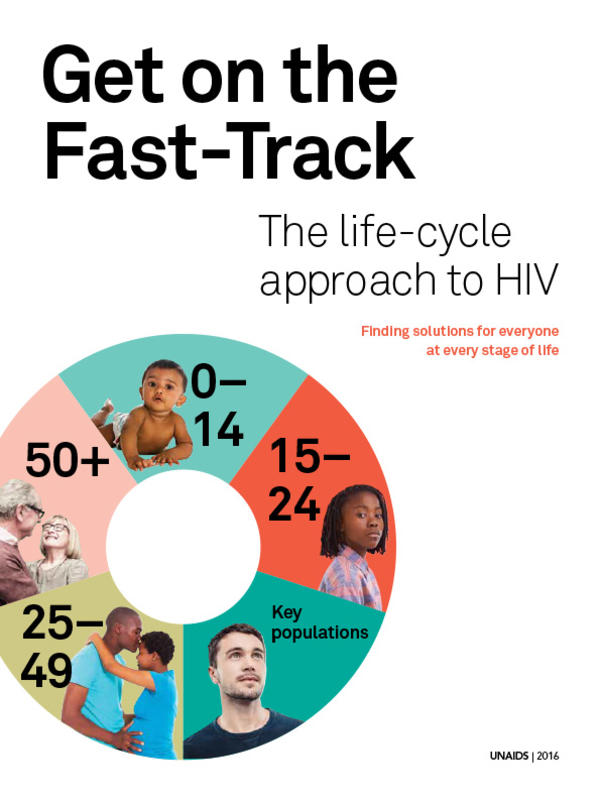
Get on the fast- track: the life-cycle approach to HIV

The dynamics of the life cycle have been adopted by the business world to guide the development and improvement of products and services, and to explain the growth and decline of enterprises. The life cycle can also be used as a lens to better understand the complex dynamics of the HIV epidemic and the response. Innovations in data collection reveal how the risks of infection, the challenges of accessing services and the solutions to these challenges change at different stages of life.

View online/download
External Link

HIV, HPV and cervical cancer: leveraging synergies to save women’s lives

This report presents recent scientific evidence about the links between HIV, HPV and cervical cancer, and it supplies relevant epidemiological, screening, vaccination and innovation data. Ultimately, its goal is to (a) promote synergies between HIV and cervical cancer prevention programmes, (b) make the case for integrating cervical cancer prevention into existing HIV treatment and prevention programmes, (c) explain the opportunities for women’s health that exist in coordinating HIV and cervical cancer prevention, and (d) advance prevention and treatment literacy among affected populations.

View online/download
External Link

Cities ending the AIDS epidemic

Cities have inherent advantages in responding to complex health problems such as HIV. They are dynamic centres of economic growth, education, innovation and positive social change. Cities have large service infrastructures and—through the power of networks—have the potential to deliver services where they are most needed, in a way that is both equitable and efficient while respecting the dignity of its citizens.

View online/download
External Link

New paradigm for Caribbean development: transitioning to a green economy

This study focuses on the exploration of options for greening Caribbean economies in a variety of sectors. An additional goal of the study is also to contribute to knowledge about, and the understanding of the fundamental requirements for transitioning to a green economy in the Caribbean and the attendant implications for policy and institutional arrangements.

View online/download
External Link

Youth are the future: the imperative of youth employment for sustainable development in the Caribbean

This study proposes a comprehensive, multi-sectoral approach to tackle chronic youth unemployment in regional territories. The study focuses on the high levels of youth unemployment in the Region and the consequences for youth and wider socio-economic development. Drawing on global best practices, the study discusses a number of policy interventions and an action plan to reduce youth unemployment and provide decent jobs by 2030.

View online/download
External Link

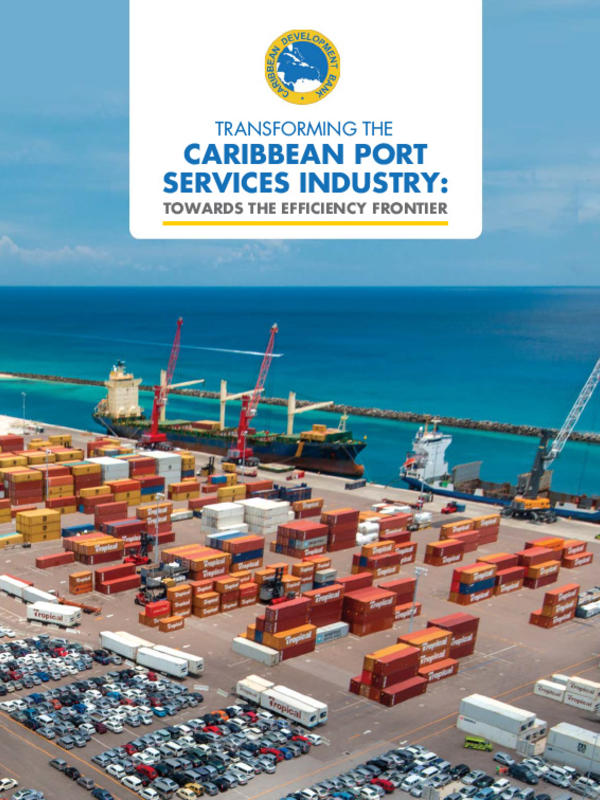
Transforming the Caribbean port services industry: towards the efficiency frontier

This publication is a detailed study to identify critical drivers of inefficiency in the Region’s main ports and investment requirements for port development.

View online/download
External Link

Public-private partnerships in the Caribbean: building on early lessons

This publication considers cases studies and the experiences of other multilateral institutions, concentrating on design and implementation issues, as well as lessons learnt. It seeks to identify priority policy actions that should be taken by Regional governments, with the support of Caribbean Development Bank, to improve Public-Private Partnerships usage and enhance related development outcomes.

View online/download
External Link

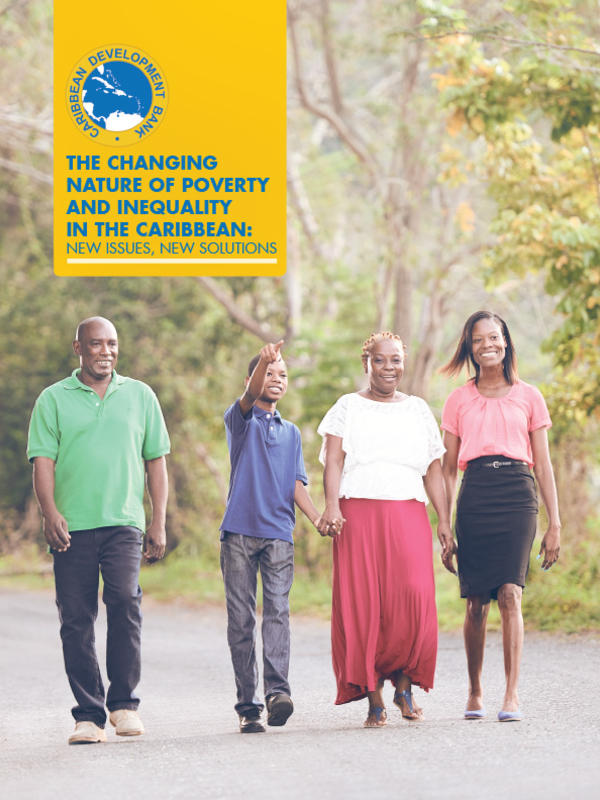
The changing nature of poverty and inequality in the Caribbean: new issues, new solutions

This publication is intended to: (a) provide fresh thinking on the transformative shifts in policies, approaches, strategies and institutions that are required to speed up poverty reduction in the Caribbean and also to expand opportunities for the most vulnerable groups in the society; (b) propose a new framework for assessing the effectiveness of existing approaches to poverty reduction in the Caribbean; and (c) offer new and innovative solutions to address poverty and promote shared prosperity.

View online/download
External Link

Micro, Small and Medium Enterprise (MSME) development in the Caribbean: towards a new frontier

This publication is focused on four areas: (a) strengths; weaknesses; opportunities; and risks facing Micro, Small and Medium Enterprises (MSMEs), and the strategic implications over the next decade; (b) the “doing business” constraints, including access to finance; (c) robustness of current policy, regulatory and institutional frameworks for MSME development and recommendations for improvement; and (d) opportunities for innovation; enhanced competitiveness; and export expansion. The Study is intended to provide practical policy and other recommendations for MSME expansion and development.

View online/download
External Link

City size, distance and formal employment creation

Cities thrive through the diversity of their occupants because the availability of complementary skills enables firms in the formal sector to grow, delivering increasingly sophisticated products and services. The appearance of new industries is path dependent in that new economic activities build on existing strengths, leading cities to both diversify and specialize in distinct areas. Hence, the location of necessary capabilities, and in particular the distance between firms and people with the skills they need, is key to the success of urban agglomerations. Using data for Colombia, this paper assesses the extent to which cities benefit from skills and capabilities available in their surrounding catchment areas. Without assuming a priori a definition for cities, we sequentially agglomerate the 96 urban municipalities larger than 50,000 people based on commuting time. We show that a level of agglomeration equivalent to between 45 and 75 minutes of commuting time, corresponding to between 62 and 43 cities, maximizes the impact that the availability of skills has on the ability of agglomerations to generate formal employment. Smaller urban municipalities stand to gain more in the process of agglomeration. A range of policy implications are discussed.

View online/download
External Link

What is the role of urban growth on inequality, and segregation? The case of urban Argentina's urban agglomerations

We analyse the relationship between urban sprawl and changing patterns of inequality and segregation in metropolitan areas of Argentina. The existing literature has endeavoured to study the determinants of the expansion of cities, but less attention has been placed in understanding the effects of this sprawl on the livelihood of the people that live in them. Understanding whether different patterns of urban extension determine both segregation and inequality is extremely relevant in the context of fast growing urban agglomerates of Latin American countries. Among other findings, we provide evidence that there is segregation of the poor and not of the rich in all urban agglomerates but in Greater Buenos Aires, where segregation of the affluent, not the poor, prevails in the areas of greater informal urban expansion, measured by the extension of informal settlements. Yet, not all the patterns of urban development and built-up growth have the same effect. More leapfrog appears to explain greater segregation -particularly of the poor - while both infill and extension are positively related to more homogeneous urban agglomerations. This means that the most disadvantaged are more evenly distributed in agglomerations that have not seen much of their sprawl due to discontinue urban expansion of their borders. Finally, we also find a positive association between more unequal municipalities and greater slum expansions. The causality of this relationship is unclear and further analysis could be promising. It might be the case that more unequal municipalities allow for institutional environments in which slums can grow faster. Or it might well be that places which have experienced more accelerated slum growth have become more unequal because of the arrival of new families that accentuates such disparities.

View online/download
External Link

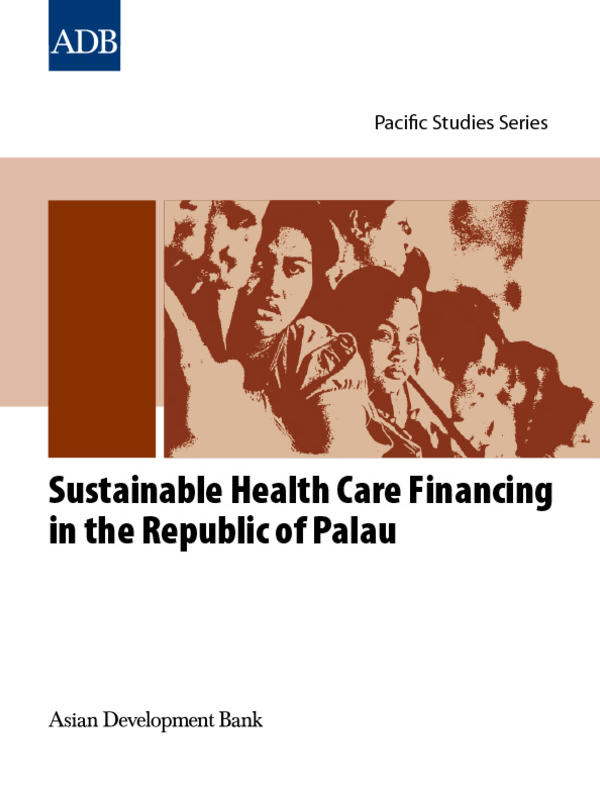
Sustainable health care financing in the Republic of Palau

Financing health care is challenging and costly in the Pacific developing member countries (DMCs) of the Asian Development Bank (ADB). Financing sources are limited, and are dominated by general tax revenues. In the face of fiscal constraints, national health systems have been perennially underfunded, limiting the quality and equitability of health care. These problems, common to all developing countries, are compounded in most Pacific DMCs by their small, dispersed populations and by health care needs that are growing faster than in other regions. The Republic of Palau has for some time been among the Pacific DMCs looking to reform its health-care financing arrangements, with reform proposals dating back to 1995. Health-care delivery in Palau was satisfactory in many respects, but the cost was high and unsustainable. This policy brief describes the successful development in 2008-2009 of draft legislation aimed at reforming health-care financing in Palau, and its enactment by the legislature and signature by the President of the country in 2010. The brief was prepared by ADB to disseminate experience and lessons learned in Palau that may be found applicable elsewhere in the Pacific, in keeping with ADB's Pacific Approach 2010-2014.

View online/download
External Link

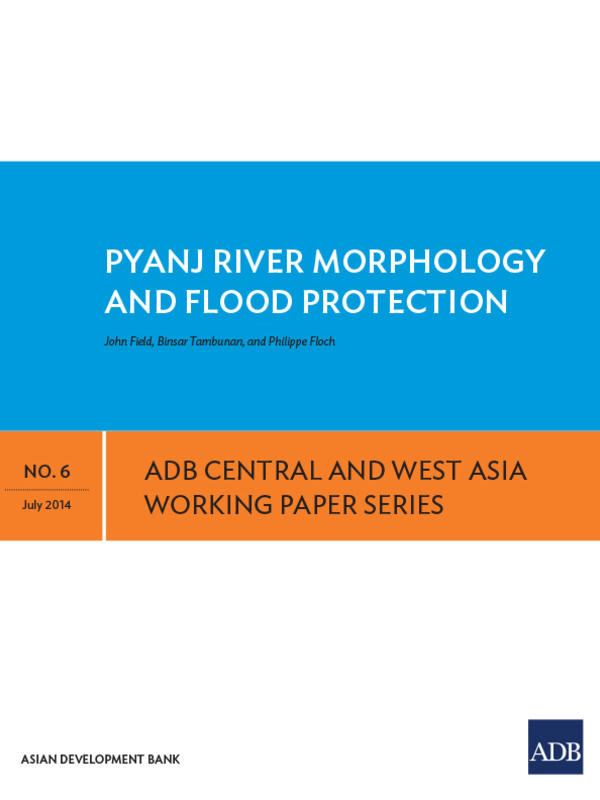
Pyanj River morphology and flood protection

The Pyanj, on the border between Afghanistan and Tajikistan, is a dynamic river system that has caused considerable damage to life and property in both countries due to flooding and riverbank erosion. Flood management efforts have often been short-lived and expensive to maintain, and have worsened hazards in adjacent areas because of the river’s sudden shifts in channel position, rapid bank erosion, and continual meander growth. This report presents more sustainable approaches to better understand river processes and help anticipate how the river channel will respond to management efforts at the project sites and along nearby reaches.

View online/download
External Link

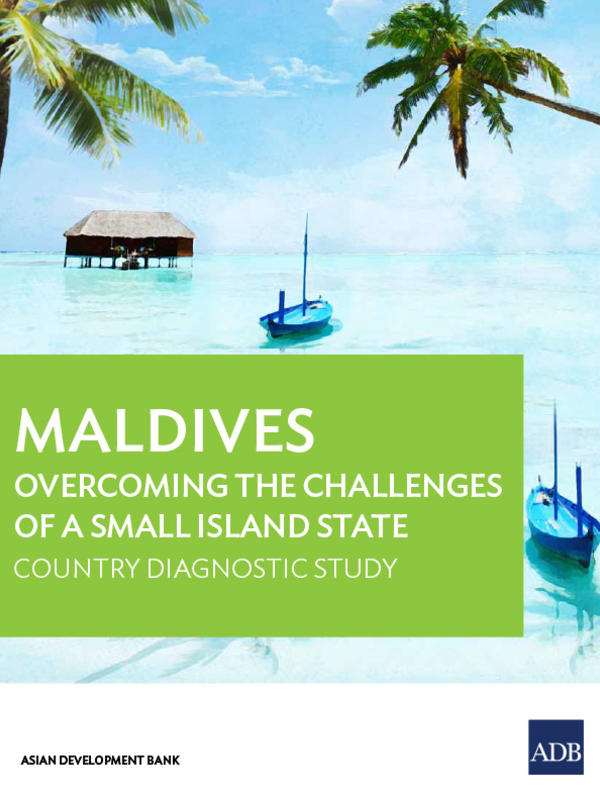
Maldives: overcoming the challenges of a small island state

The Maldives’ relatively strong economic growth has brought about a dramatic reduction in poverty and improvement in the welfare of the Maldivian people. However, the growth, which is primarily driven by the tourism sector, has been highly cyclical and vulnerable to external shocks, and unable to create adequate jobs for the growing young population. Moving forward, the Maldives needs to shift to a more broad-based, sustainable, and inclusive growth strategy given its resource endowments and small population. Transport infrastructure is critical, and improved transport will help address the country’s connectivity issue and reduce the cost of doing business. An educated and skilled workforce can improve productivity and help find additional economic niche markets for the country. As with all countries, the government must remain aware of the importance of maintaining fiscal stability and an adequately functioning system of financial intermediation to enable and support both public and private investments needed in the growth process. This report provides support to the Maldivian government in formulating its high-priority policies by identifying the critical constraints to achieving inclusive growth. The report also provides policy recommendations aimed at helping the government to overcome the constraints to achieving a process of growth that is both sustained and inclusive.

View online/download
External Link

State of the coral triangle: Malaysia

Malaysia has made a firm commitment to sustainable management and conservation of its coastal and marine resources, helping formulate and implement the Sulu–Sulawesi Marine Ecoregion Initiative and the Coral Triangle Initiative. Rapid economic growth, uncontrolled tourism development, unregulated fishing, and unsustainable use of marine resources have depleted the country’s fish stocks, lost nearly 36% of its mangrove forests, and increased the number of endangered species. Despite impressive national economic gains, Malaysia’s fishers remain poor. This report assesses Malaysia’s coastal ecosystems and summarizes the country’s plans to rehabilitate marine protected areas, protect threatened and endangered species, adapt to climate change, and respond to the need for community-based initiatives.

View online/download
External Link

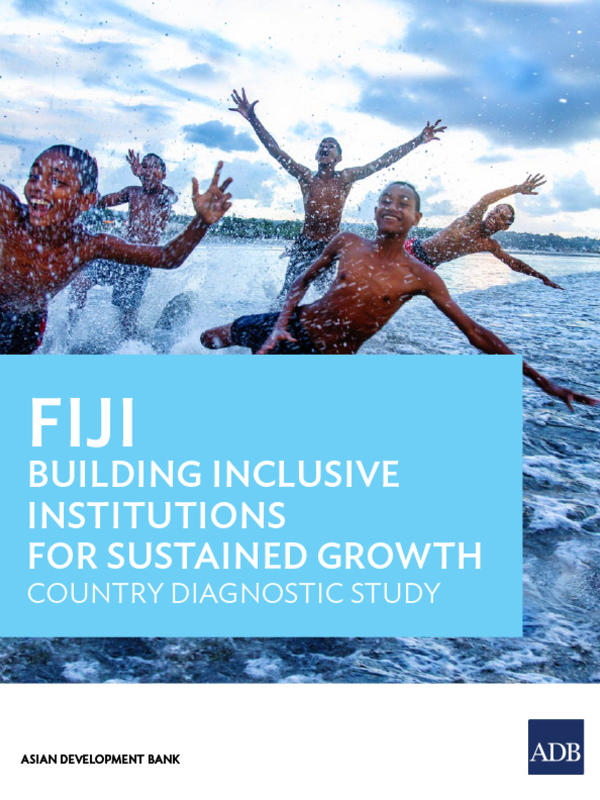
Fiji: building inclusive institutions for sustained growth

Fiji’s economy has made a turnaround since 2010 under a government strongly committed to reform. That period saw Fiji experiencing one of the few episodes of sustained growth in its post-independence economic history, averaging 3.3% annually or nearly four times the average growth during 2000–2009. Its successful national elections and return to democracy in 2014 boosted investor sentiment. A key challenge for Fiji now is to create an environment conducive to greater private sector activity so it can sustain its growth momentum and make its growth more inclusive. This study, using an inclusive growth framework, has identified the critical constraints that Fiji needs to address to strengthen investor sentiment even further and achieve inclusive growth.

View online/download
External Link

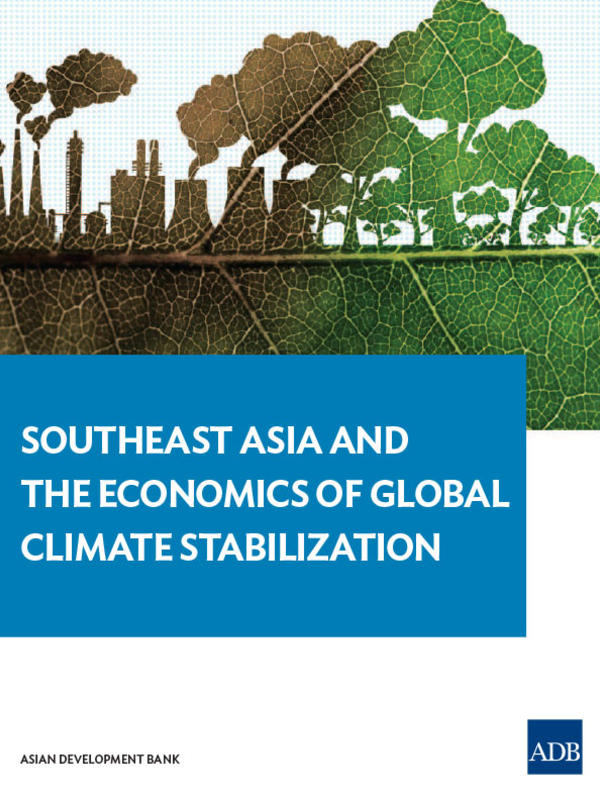
Southeast Asia and the economics of global climate stabilization

South-east Asia is likely to sustain larger economic losses from climate change than most other areas in the world. Moreover, those losses—the collective effect of impacts on agriculture, tourism, energy demand, labour productivity, catastrophic risks, health, and ecosystems—may be larger than previously estimated. When these loss estimates are considered simultaneously in the modelling, gross domestic product (GDP) is found to be reduced by 11% in 2100 under the business as usual emissions scenario of this study, which is 60% higher than the earlier ADB assessment. Climate change is a global concern of special relevance to South-east Asia, a region that is both vulnerable to the effects of climate change and a rapidly increasing emitter of greenhouse gases. From 1990 to 2010, carbon dioxide (CO2) emissions in South-east Asia have grown more rapidly than in any other region of the world.

View online/download
External Link

Connecting Asia: infrastructure for integrating South and Southeast Asia

This publication analyses how closer regional connectivity and economic integration between South Asia and Southeast Asia can benefit both regions. With a focus on the role played by infrastructure and public policies in facilitating this process, it provides a detailed and up-to-date discussion of issues, innovations, and progress. Country studies of national connectivity issues and policies cover Bangladesh, India, Myanmar, Nepal, Sri Lanka, and Thailand, examining major developments in trade and investment, economic cooperation, the role of economic corridors, and regional cooperation initiatives. Thematic chapters explore investment in land and sea transport infrastructure, trade facilitation, infrastructure investment financing, supporting national and regional policies, and model-based estimates of the benefits of integration. They also identify significant opportunities for strengthening these integration efforts as a result of the recent opening up of Myanmar in political, economic, and financial terms. For the first time for these regions, the book employs a state-of-the-art computable general equilibrium (CGE) model incorporating heterogeneous firms to estimate the advantages of integration.

View online/download
External Link

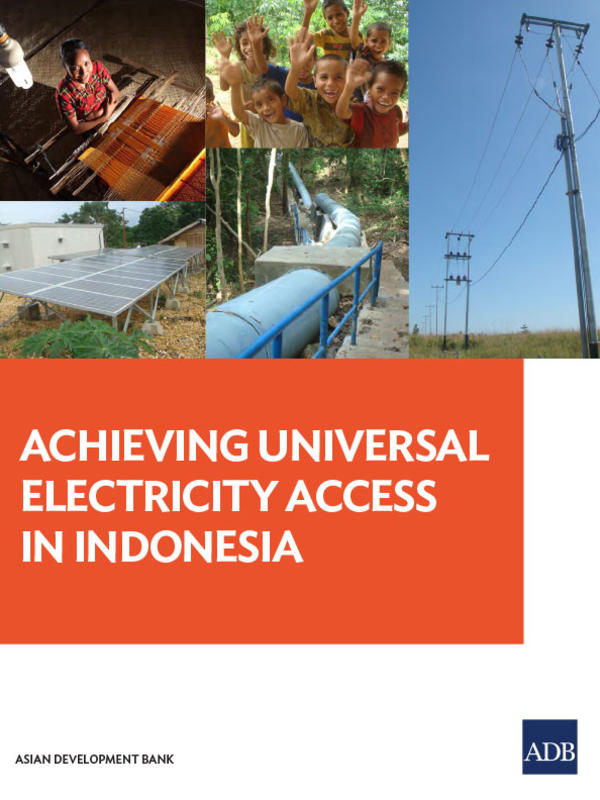
Achieving universal electricity access in Indonesia

This report describes Indonesia’s electrification environment and identifies barriers to achieving universal electricity access. Principles drawn from international best practices such as government commitment, enabling institutional environments, adequate and sustainable financing, and stakeholder coordination are discussed in the context of Indonesia’s energy sector. The report gives recommendations for establishing service standards, streamlining financing, setting appropriate targets, and monitoring and evaluation, as well as near-term steps to help achieve universal electricity access.

View online/download
External Link

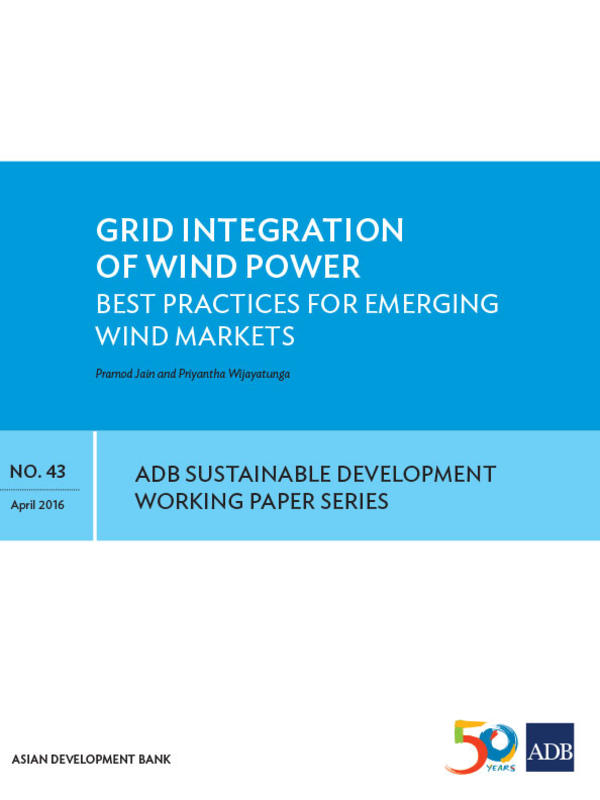
Grid integration of wind power: best practices for emerging wind markets

Issues with grid integration of wind energy has led to curtailment of wind power, delay in interconnection for commissioned wind projects and/or denial of generation permit. This report describes the impact of wind power on the grid, methods to analyze the impact and approaches to mitigate the impact. Countries like Denmark, Germany, Spain, and regions within the United States like Texas and Colorado have achieved high penetration of wind energy with modest changes to the grid. The key to high penetration of wind energy has been flexible grids. The report outlines the lessons learned with a focus on applicability to emerging wind energy markets.

View online/download
External Link

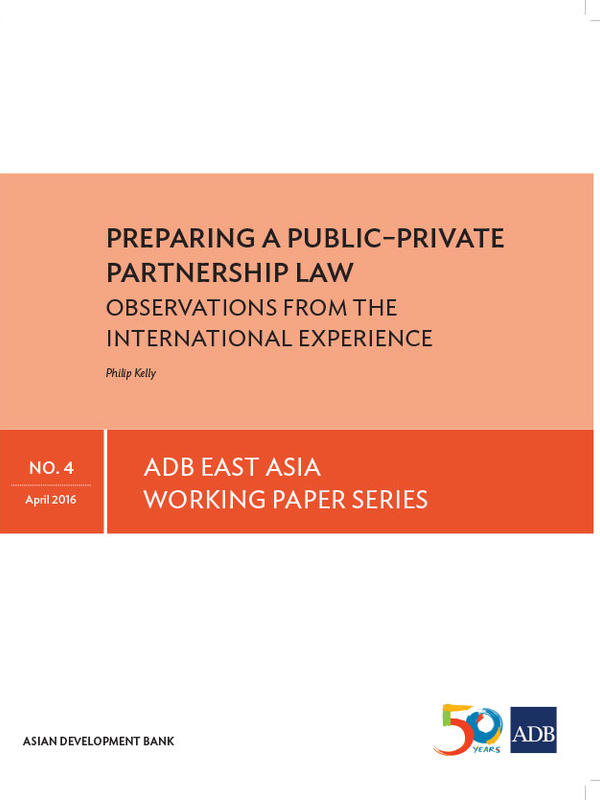
Preparing a public-private partnership law: observations from the international experience

This working paper provides observations from an international perspective that are relevant to preparing and strengthening public–private partnership (PPP) laws in developing Asia, with an emphasis on East Asia. The observations are derived from a careful analysis and practical experience of the PPP legal framework in a variety of countries. Laws and guidance from many countries have been reviewed to identify common content and trends in how these have evolved in the light of implementation experience. The analysis identifies a broad consistency as to what are considered to be desirable and undesirable elements in the overall PPP legal framework, while recognizing that the distribution of content between a PPP law and supporting legal instruments and guidance varies between countries. It suggests issues to be considered and addressed when finalizing a PPP law but leaves open how these should be resolved.

View online/download
External Link


Suggest a publication

Feel free to submit a publication.

Submit here