Languages

Topbar Menu EN

The SDG Fund is operationally closed. This site is alive for knowledge and dissemination purposes.
Warning: This website is closed. Be aware of phishing or social engineering fraudulent requests of payments or certificates. Explore our programme areas.
Please visit jointsdgfund.org
Search our database of publications


Global Food Security Strategy (GFSS) Guatemala Country Plan

The Global Food Security Strategy (GFSS) Country Plan for Guatemala was co-written with by U.S. Government (USG) interagency involved in food security and nutrition work after extensive consultation with stakeholders from government ministries, private companies, universities, research institutes, international and local Non-Governmental Organizations (NGO), donors and international organizations and was given extensive review and commentary by USG interagency partners in Washington, DC. As a living document, it is intended to be updated as needed in consultation with those parties over time. The GFSS Country Plan serves as an overarching framework for integrated food security and nutrition programming. The plan is intended to describe the key drivers of food insecurity, malnutrition and poverty. These key drivers stem from a complex set of underlying conditions that exist at the individual, household, community and system level. At the design and procurement stages, the targeting, results framework and program components will require further refinement to operationalize integrated and holistic approaches.
View online/download
English

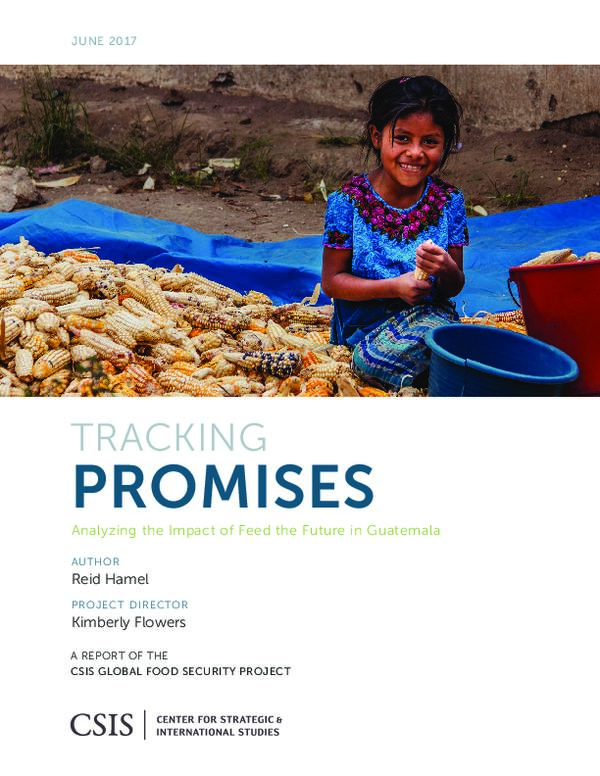
CSIS 2017 TRACKING PROMISES: Analyzing the Impact of Feed the Future in Guatemala

The Center for Strategic and International Studies (CSIS) works to develop solutions to the world’s greatest policy challenges. Today, CSIS scholars are providing strategic insights and bipartisan policy solutions to help decision-makers chart a course toward a better world. This report draws from both a broad literature review and interviews and site visits conducted in Guatemala City and in the Western Highlands of Guatemala in October 2016. Members of the CSIS Global Food Security Project met with representatives from the government of Guatemala, the U.S. Agency for International Development (USAID), and the U.S. Department of Agriculture (USDA). An array of program implementing partners as well as relevant UN technical staff also contributed substantial knowledge and insight to this analysis.

View online/download
English

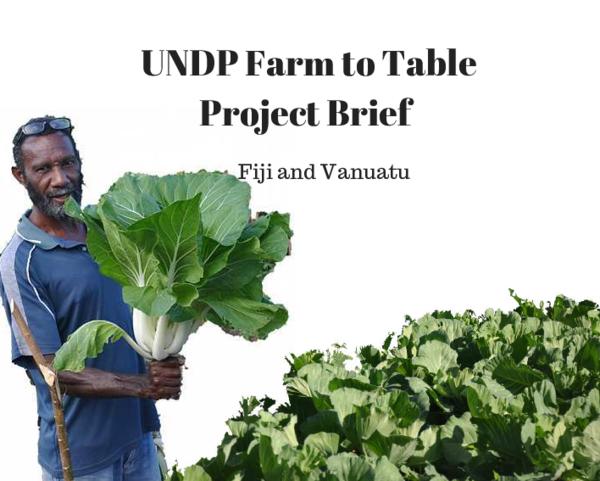
UNDP Farm to Table Project Brief

Description of Farm to Table Project Brief in Fiji and Vanuatu.

View online/download
English

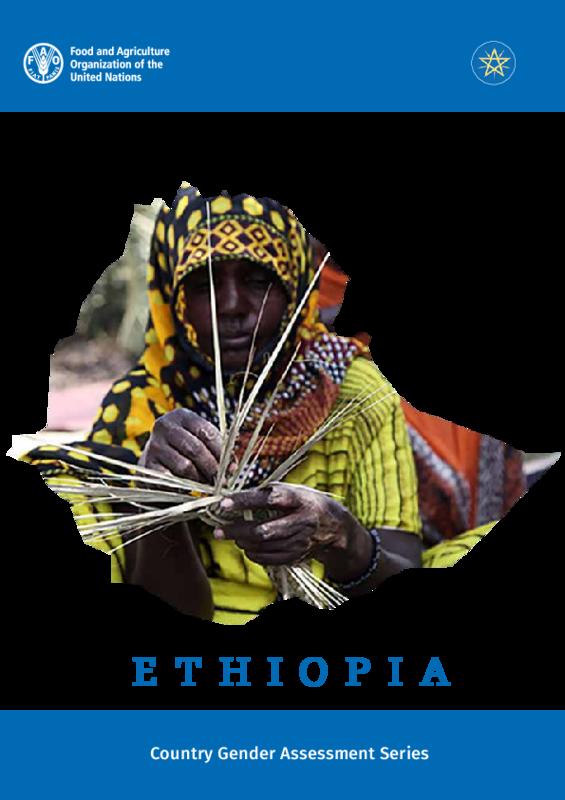
FAO Ethiopia: National gender profile of agriculture and rural livelihoods

FAO has prepared a National gender profile of agriculture and rural livelihoods in Ethiopia as an important step towards inclusive agricultural growth and transformation. This Profile provides a very useful reference to inform the implementation and monitoring of the frameworks highlighted above with stronger attention to gender. It will also inform the country periodic reporting on the Convention on the Elimination of all Forms of Discrimination against Women (CEDAW) and the upcoming Beijing Plus 25 review process which will take place in 2020.

View online/download
English

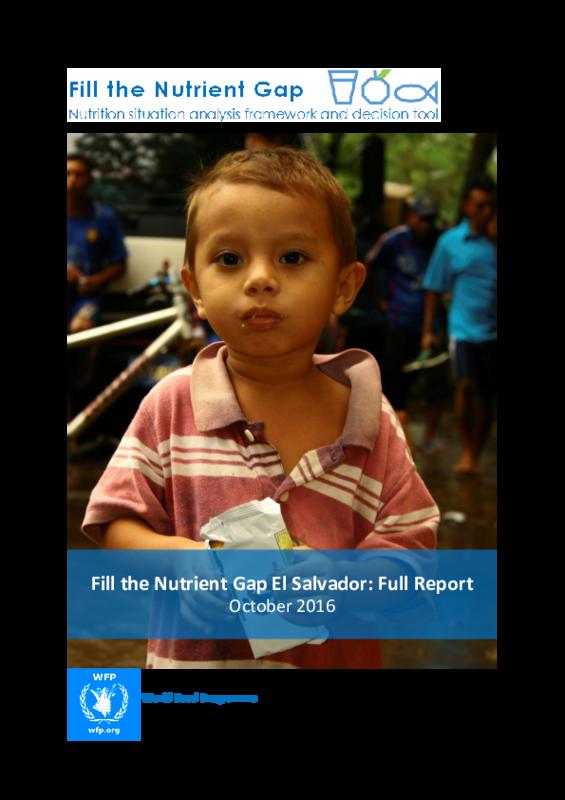
WFP: Fill the Nutrient Gap in El Salvador

WFP with technical input from key research institutes (University of California Davis, IFPRI, Epicentre, Harvard and Mahidol) and UNICEF, developed a framework for strengthened nutrition situation analysis and decision-making, now called “Fill the Nutrient Gap”, which aims to support identification of strategies for improving complementary feeding with an emphasis on increasing access to nutrients, especially during the critical period of the first 1,000 days.

View online/download
English

UNICEF Annual Report 2017 Ecuador

On 16 April 2016 a 7.8 magnitude earthquake struck the Pacific northwest area of Ecuador, its epicentre situated close to Muisne and Pedernales municipalities in the northern part of the country and170 km northwest of the capital, Quito. The earthquake directly affected 720,000 people, of whom 350,000 were in need of urgent assistance. Immediate needs were safe water, sanitation and hygiene, emergency and temporary shelter, health, protection (including psychosocial support and child protection), food assistance and education. By early January 2017 some 5,544 people were still living in 24 official camps managed by the Government of Ecuador, nearly half of whom (2,846) were children and adolescents, and more than 4,030 people were living in 63 informal refugee shelters. In 2017 UNICEF Ecuador’s emergency strategy shifted toward sector coordination and building local institutional capacity, and focused on developing resilient systems in all sectors to deliver long-term development results.

View online/download
English

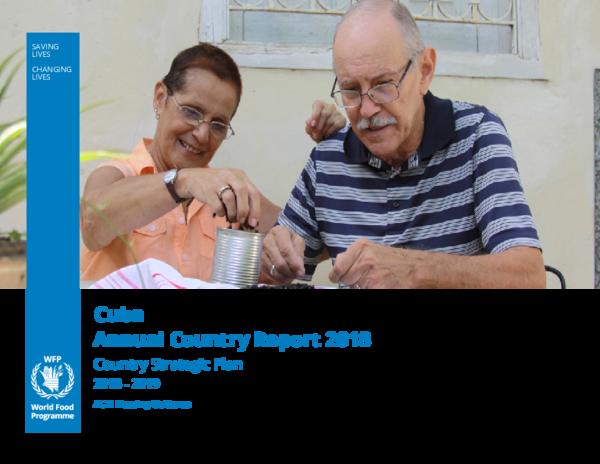
WFP: Cuba Annual Country Report 2018

Throughout 2018, WFP continued to support the Government’s social protection systems for improved food security and nutrition among the most vulnerable groups by providing food assistance and capacity strengthening activities. For the first time, WFP assisted elderly people – a very vulnerable group progressively on the rise in the country – with specialised nutritious foods, in addition to its traditional support. Given the positive results, further support for this vulnerable group will be explored in the coming year. Additionally, WFP contributed to positioning nutritional education as a key topic in the school system by supporting the Nutritional Education Strategy led by the Ministry of Education. This strategy will provide key inputs for developing a behavioural-change strategy on nutrition to prevent micronutrient deficiencies and obesity.

View online/download
English

Working together to support implementation of the 2030 Agenda for Sustainable Development Joint annex on implementation of the common chapter of the Strategic Plans 2018-2021 of UNDP, UNFPA, UNICEF and UN-Women

This joint annex presents progress on the implementation of the common chapter of the Strategic Plans, 2018-2021, of the United Nations Development Programme (UNDP), United Nations Population Fund (UNFPA), United Nations Children's Fund (UNICEF) and United Nations Entity for Gender Equality and the Empowerment of Women (UN-Women), in response to a request by the Executive Boards of the four agencies for “details on the implementation of the common chapter in [their] annual reporting and, when applicable and as appropriate, at the joint meeting of the Executive Boards”. The approach of working together is also measured annually by indicators from the 2016 quadrennial comprehensive policy review of operational activities for development of the United Nations system (QCPR) contained in the QCPR annexes attached to the respective annual report of each agency.

View online/download
English

UNICEF Annual Report 2017 Cuba

This report examines the situation in Cuba in 2017. Although Cuba was hit by Hurricane Irma in October, affecting over 9 million people in 13 of 15 provinces, the economy grew by 1.6 per cent in 2017 while tourism grew by 4.4 per cent. The most outstanding result for children was the reduction of infant mortality, which reached a historic low of four deaths per 1,000 live births thanks to such factors as maternal milk banks, immunization and certification of baby-friendly hospitals, with UNICEF Cuba support.

View online/download
English

Collection and analysis of bilateral or tripartite work collaboration in Latin America and the Caribbean

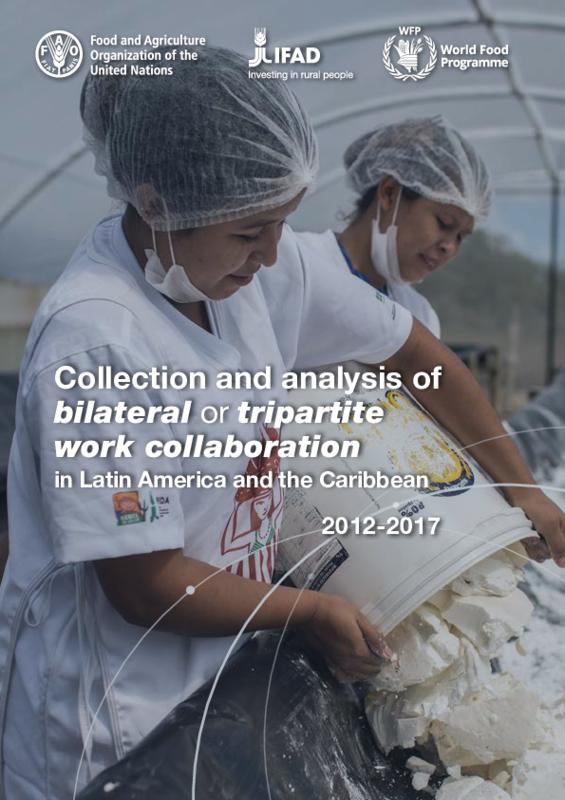
The core mission inspiring the work of the United Nations region wide is to eliminate hunger and overcome the current levels of poverty in Latin America and the Caribbean. To this end, several agencies have shared challenges and carried out similar activities to respond to the needs of countries and their people. Particularly, FAO, IFAD and WFP have been engaged – in many occasions and in various sectors – in actions driven by the common goal of eradicating hunger and malnutrition while promoting sustainable agriculture and rural transformation, as they offer their specific capacities as agricultural knowledge organization, investment fund for rural areas, and development and humanitarian assistance programmes.

View online/download
English

WFP Colombia Annual Country Report 2017

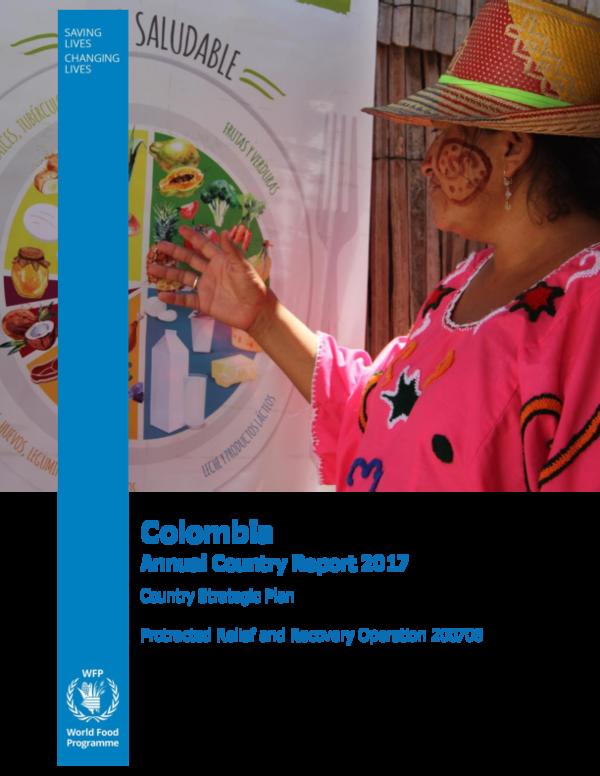
The year 2017 was historic in Colombia, as peace negotiations transitioned to peacebuilding. Over the course of the year, WFP demonstrated its ability to effectively adapt to the changing needs of vulnerable populations in Colombia in order to reach the most isolated areas and communities affected by conflict and climate change. With the closure of the Protracted Relief and Recovery Operation (PRRO) and the transition to the Country Strategic Plan (CSP), WFP defined clear priorities in coordination with the Government of Colombia to respond to new and evolving dynamics using humanitarian, recovery, development and capacity strengthening strategies tailored to local contexts. This report highlights WFP’s results, best practices and the use of technology and innovation to improve the food security and nutrition of victims of conflict and natural disasters.

View online/download
English

Promoting the Rights, Needs and Agency of Women and Girls in Humanitarian Action

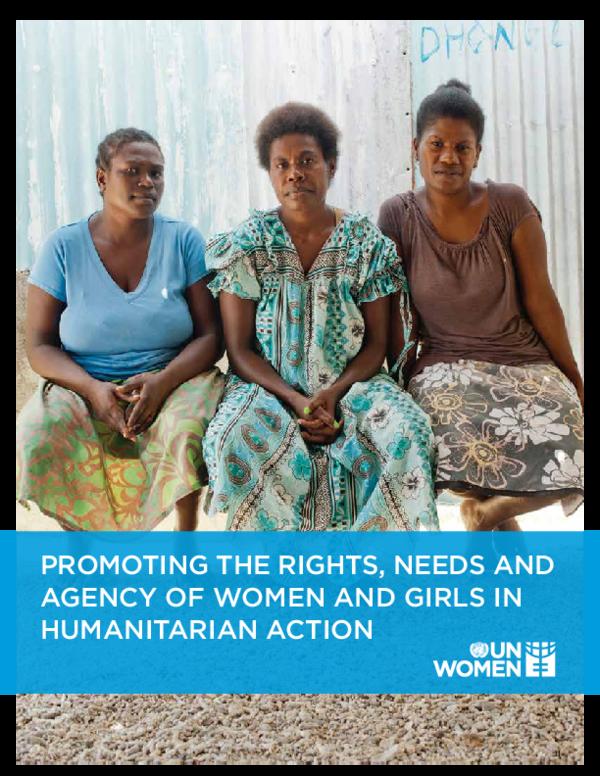
With continued population growth, urbanization, stretched natural resources, protracted conflict and the impact of climate change becoming more apparent, the number of humanitarian crises continues to grow, as does the number of communities requiring humanitarian assistance. Within these communities, women and girls are often disproportionately at risk to the effects of these crises. They are more likely to lose their means of livelihood and are exposed to a heightened risk of gender-based violence. Further, in the aftermath of disasters, their specific humanitarian needs are often neither adequately identified nor addressed in the ensuing response by governments and humanitarian agencies alike. To address this omission, UN Women is committed to ensuring equality amongst all women, men, girls and boys affected by disasters both as beneficiaries of humanitarian action and as contributors to its planning and implementation. This brochure provides an overview and examples of how UN Women promotes gender equality and women’s empowerment in its humanitarian work around the world.

View online/download
English

PEACE AND FOOD SECURITY: Investing in resilience to sustain rural livelihoods amid conflict

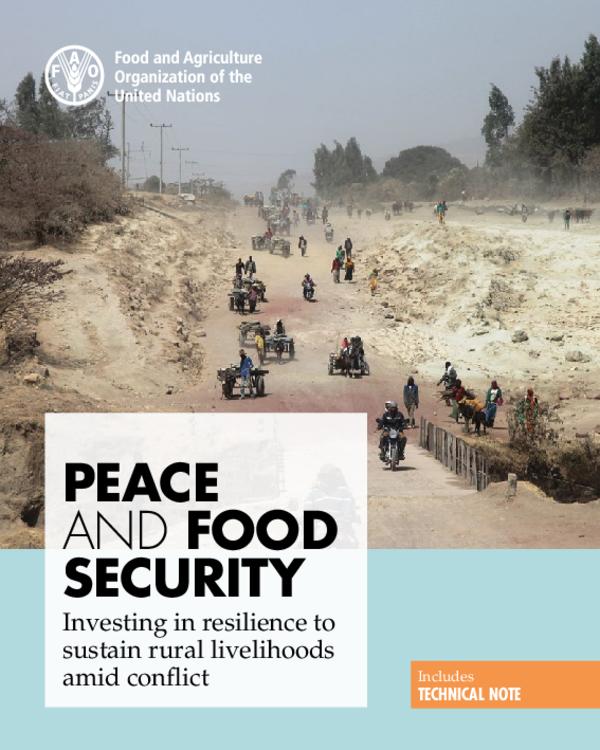
This manual shows the role of investing in resilience and food security to help fight hunger and build peace.

View online/download
English

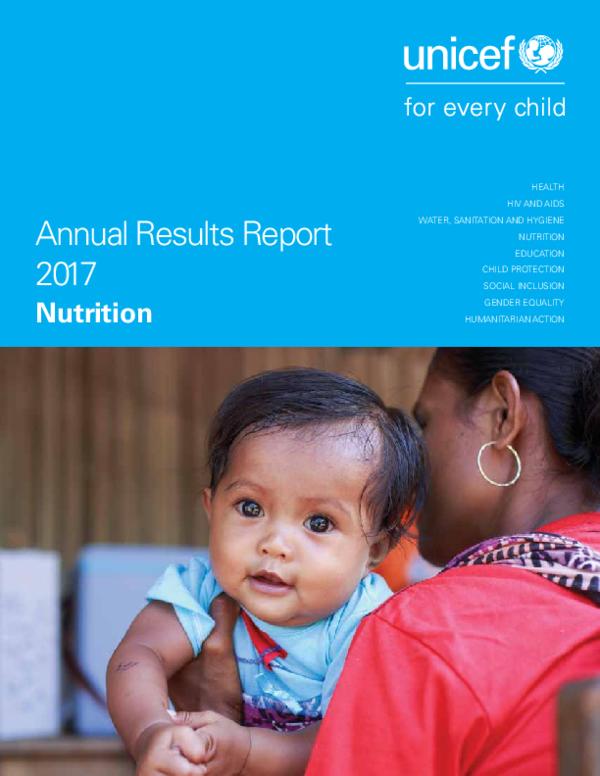
Annual Results Report 2017 Nutrition

UNICEF’s Strategic Plan 2014–2017 guides the organization’s work in support of the realization of the rights of every child. At the core of the Strategic Plan, UNICEF’s equity strategy – which emphasizes reaching the most disadvantaged and excluded children, caregivers and families – translates this commitment to children’s rights into action. The following report summarizes how UNICEF and its partners contributed to nutrition in 2017 and reviews the impact of these accomplishments on children and the communities where they live.

View online/download
English

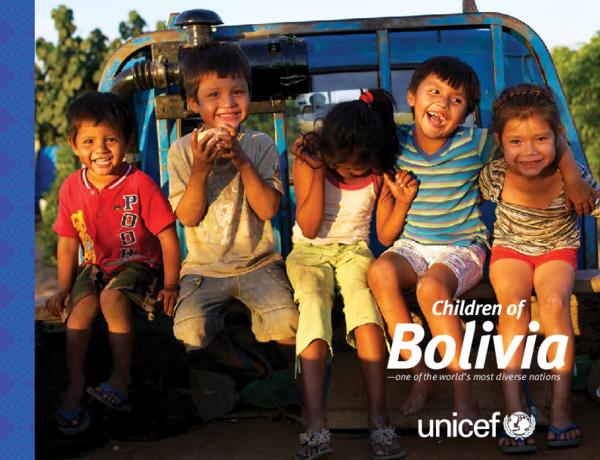
UNICEF Bolivia: Children of Bolivia Brochure 2016

This brochure analyses the state of children in Bolivia as one of the world’s most culturally and geographically diverse countries

View online/download
English

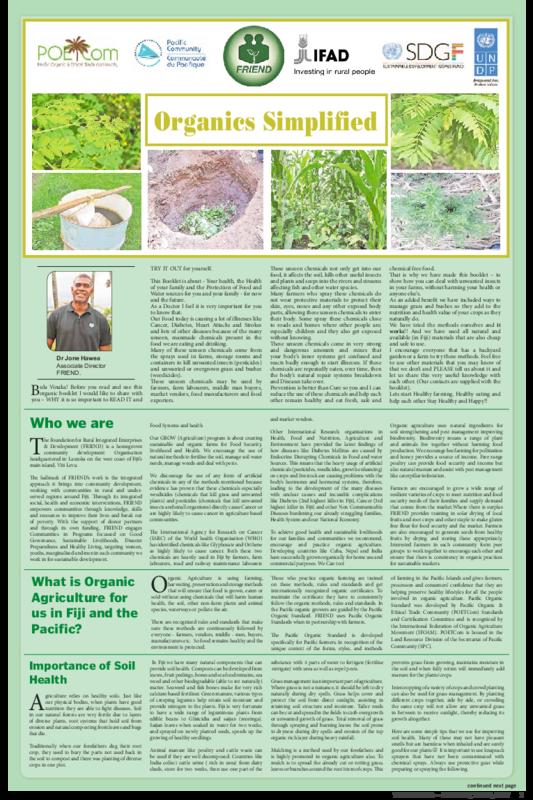
Organics Simplified

This Booklet is about - Your health, the Health of your family and the Protection of Food and Water sources for you and your family - for now and the future.

View online/download
English

SDG Fund narrative report - Draft

Draft version with provisional results of the SDG Fund. Used as an input for lessons learned document. The document describes how the SDG Fund served as a experience in the transition from MDGs to SDGs and describes key achievement in the areas of management, policy, advocacy, joint programme modality, South-South Cooperation, creative industries and engagement with private sector.

View online/download
English

Making Laws, Breaking Silence: Case Studies from the Field

Making Laws, Breaking Silence: Case Studies from the Field grows out of a high level roundtable convened by Penn Law, UN Women, UNESCO, UN SDG Fund, and IDLO in March 2017. The convening brought together over 30 legislators, judges, and policy experts from more than 15 countries to examine new developments and challenges in gender equality lawmaking under Goal 5 of the Sustainable Development Goals. The following case studies and essays expand on those deliberations and interactions and highlight some tensions in evolving law reform efforts around the world. Closing the enforcement gap in gender equality laws is often called the “unfinished business of the 21st century.” These reflections offer fresh insights and policy guidelines for UN agencies, multilaterals, government entities and civil society organizations charged with gender-based law reform.

View online/download
English External Link

The Role of the Private Sector in Support of Reporting Under SDG 16

In Sustainable Development Goal 16, UN member states committed themselves to tracking and releasing information about the closely related issues of peace, justice, inclusion, and good governance. Collecting good data about these issues is difficult and expensive, and many states will need to expand the capacity of their National Statistical Office to meet their commitment. This report explores public-private partnerships as one tool for expanding the capacity of governments to collect and release data on good governance and peace. Based on case studies, interviews, and a small survey of private sector actors, this report argues that there is a role for private sector actors to support data collection and dissemination under SDG 16, but that unlocking this potential will require addressing concerns and potential issues that could hamper the effectiveness of the partnership. This report is a partnership between OEF Research and the Global Alliance for Reporting Progress on Peaceful, Just and Inclusive Societies.

View online/download
English External Link

Universality and the SDGs: A Business Perspective

This report prepared by the SDG Fund in collaboration with its Private Sector Advisory Group and the Global Compact highlights varied perspectives from both large and small companies working to understand the commonality of the new development agenda. This report is based on interviews and input from private sector leaders through workshops in Africa, Latin America, Europe and the United States, with more than 100 firms representing various regions and industry sectors. The year-long series of workshops and interactive discussions provided valuable insight in to how companies were working to address the new set of goals. It also suggests many firms are working in the areas of SDGs, yet their work is not always linked to the goals or articulated as such.

View online/download
English

Business and the United Nations: Working together towards the Sustainable Development Goals: A Framework for Action

This publication focuses on insight and best practices culled from interviews with business leaders which are designed to help both the private sector, the UN, and other practitioners learn from each other. These business leaders represent a selected group of companies from several regions of the world and a variety of industries that are part of the SDG Fund Private Sector Advisory Group. There is a renewed emphasis across the United Nations on partnering with responsible businesses to deliver sustainable development on the ground. This report offers fresh perspectives on a variety of topics including improving the climate for partnership design, co-creation, combining complementary skills, and developing solutions to harness the full potential of what business can bring to the development table.

View online/download
English

Labour in the Global South: challenges and alternatives for workers

Challenging the global North’s dominance in the literature, this publication presents alternative approaches as well as creative responses to the challenges facing labour in the global South, in countries such as Argentina, Bangladesh, Brazil, India, South Africa and Uruguay. The volume devotes particular attention to areas often neglected by organized labour: the relationship between ecology, climate change and jobs; unionising service work; the dynamics of trade union−political party alliances; gender; and new forms of solidarity. It brings together a group of distinguished labour scholars and practitioners who make an important advance with their rich empirical case studies.

View online/download
External Link

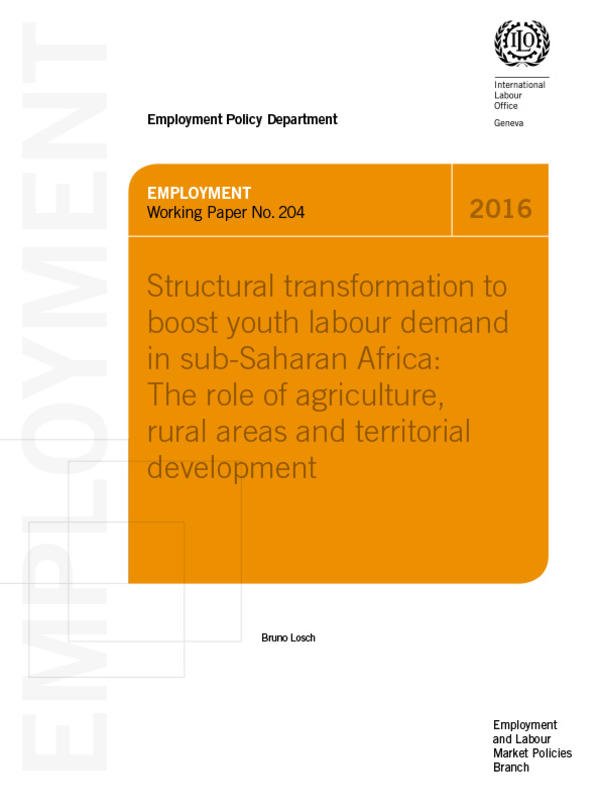
Structural transformation to boost youth labour demand in sub-Saharan Africa

This paper explores the opportunities that economic diversification offers to foster structural transformation in sub-Saharan Africa while absorbing the growing youth labour force and providing them with the requisite skills.

View online/download
External Link

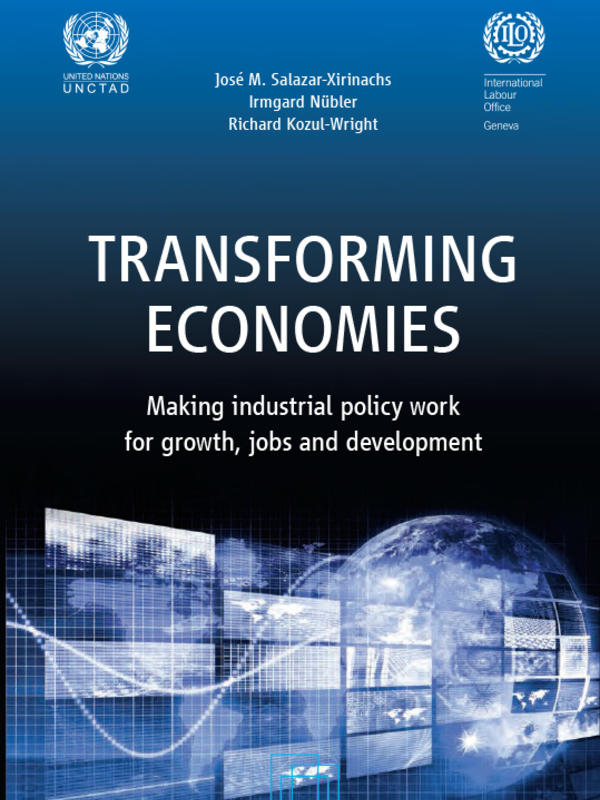
Transforming economies: making industrial policy work for growth, jobs and development

Building on a description and assessment of the contributions of different economic traditions (neoclassical, structural, institutional and evolutionary) to the analysis of policies in support of structural transformation and the generation of productive jobs, this book argues that industrial policy goes beyond targeting preferred economic activities, sectors and technologies. It also includes the challenge of accelerating learning and the creation of productive capabilities. This perspective encourages a broad and integrated approach to industrial policy. Only a coherent set of investment, trade, technology, education and training policies supported by macroeconomic, financial and labour market policies can adequately respond to the myriad challenges of learning and structural transformation faced by countries aiming at achieving development objectives. The book contains analyses of national and sectoral experiences in Costa Rica, the Republic of Korea, India, Brazil, China, South Africa, sub-Saharan Africa and the United States. Practical lessons and fundamental principles for industrial policy design and implementation are distilled from the country case studies. Given the fact that many countries today engage in industrial policy, this collection of contributions on theory and practice can be helpful to policy-makers and practitioners in making industrial policy work for growth, jobs and development.

View online/download
External Link

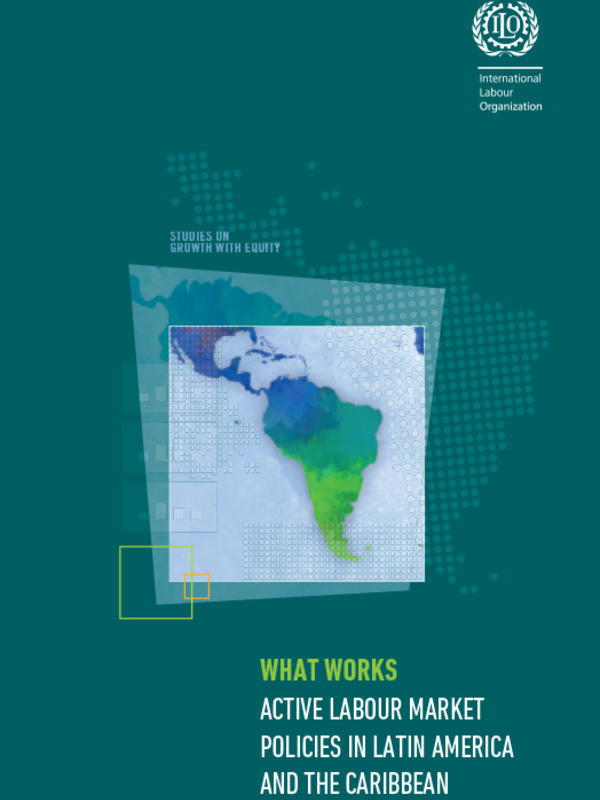
What works: active labour market policies in Latin America and the Caribbean

Latin America and the Caribbean have achieved significant economic, labour market and social progress in recent decades. However, progress has begun to slow on a number of fronts that will challenge the ability of policy-makers to sustain these gains. In this context, active labour market policies (ALMPs) can play a central role by improving workers’ employability, contributing—directly or indirectly—to productive employment creation. A number of Latin American countries have embraced this policy shift. This report, part of the Studies on Growth with Equity series, examines the effectiveness of ALMPs implemented in Latin America, notably policies carried out in Argentina, Colombia and Peru. In particular: Chapter 1 presents the main trends of labour market and social indicators in LAC; Chapter 2 reviews the different concepts relevant to understanding ALMPs in a non-OECD country context and presents the results of a unique compendium of labour market policies implemented in selected LAC countries since the 1990s; Chapter 3 reviews both qualitatively and through a meta-analysis the empirical economic literature on impact evaluation of ALMPs, particularly in LAC countries; Chapter 4 presents results of three impact evaluations carried out for the purpose of this report and discusses the main policy lessons on how to leverage these policies to sustain further labour market and social progress.

View online/download
External Link


Suggest a publication

Feel free to submit a publication.

Submit here