Languages

Topbar Menu EN

The SDG Fund is operationally closed. This site is alive for knowledge and dissemination purposes.
Warning: This website is closed. Be aware of phishing or social engineering fraudulent requests of payments or certificates. Explore our programme areas.
Please visit jointsdgfund.org
Search our database of publications


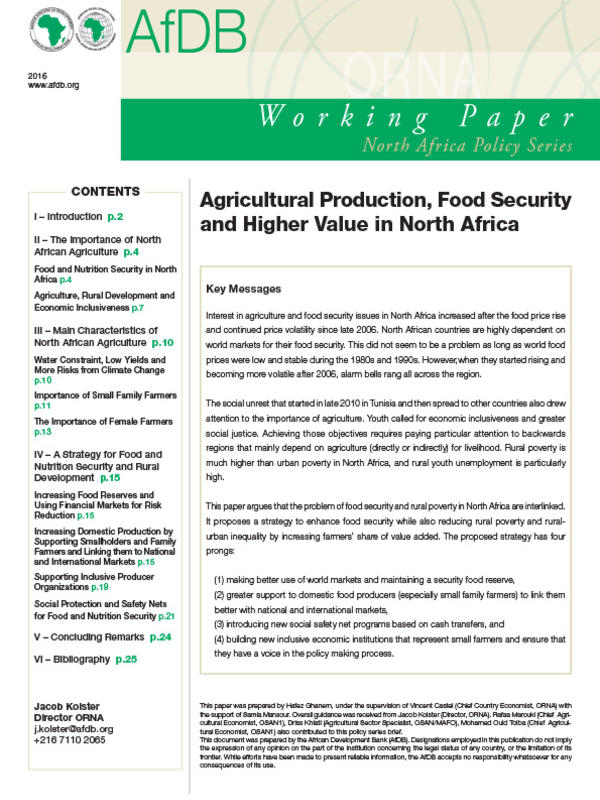
Agricultural production, food security and higher value in North Africa

This paper argues that the problems of food security and rural poverty in North Africa are interlinked. It proposes a strategy to enhance food security while also reducing rural poverty and rural-urban inequality by increasing farmers’ share of value added. The proposed strategy has four prongs: (1) making better use of world markets and maintaining a security food reserve, (2) greater support to domestic food producers (especially small family farmers) to link them better with national and international markets, (3) introducing new social safety net programs based on cash transfers, and (4) building new inclusive economic institutions that represent small farmers and ensure that they have a voice in the policy making process.
View online/download
External Link

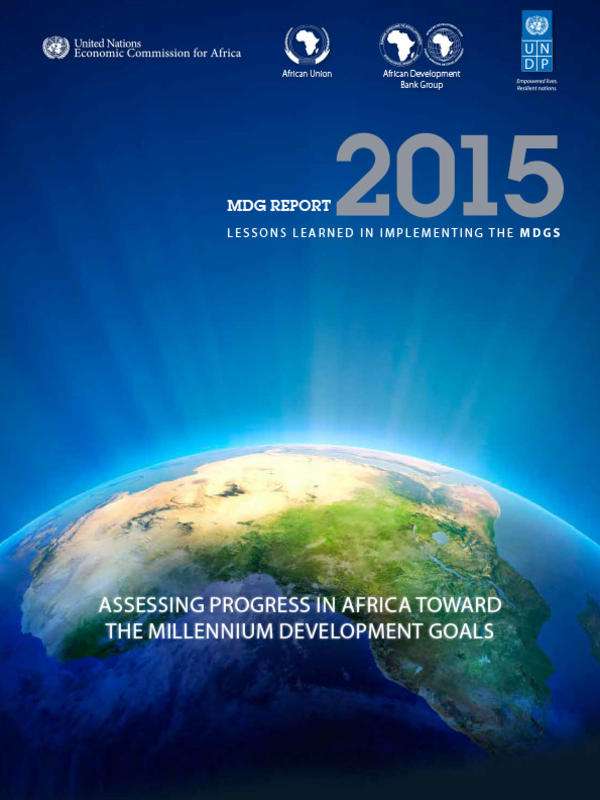
Assessing progress in Africa toward the Millennium Development Goals

This report, produced jointly by the Economic Commission for Africa (ECA), the African Union (AU), the African Development Bank (AfDB) and the United Nations Development Programme (UNDP), assesses the progress towards the Millennium Development Goals (MDGs) in Africa. Africa has seen an acceleration in economic growth, established ambitious social safety nets and designed policies for boosting education and tackling HIV and other diseases. It has also introduced women’s quotas in parliament, leading the way internationally on gender equality, and increased gender parity in primary schools. Although overall poverty rates are still hovering around 48 percent, according to the most recent estimates, most countries have made progress on at least one goal. Much more work lies ahead to ensure living standards improve for all African women and men. While economic growth has been relatively strong, it has not been rapid or inclusive enough to create jobs. Similarly, many countries have managed to achieve access to primary schooling; however, considerable issues of quality and equity need to be addressed.

View online/download
External Link

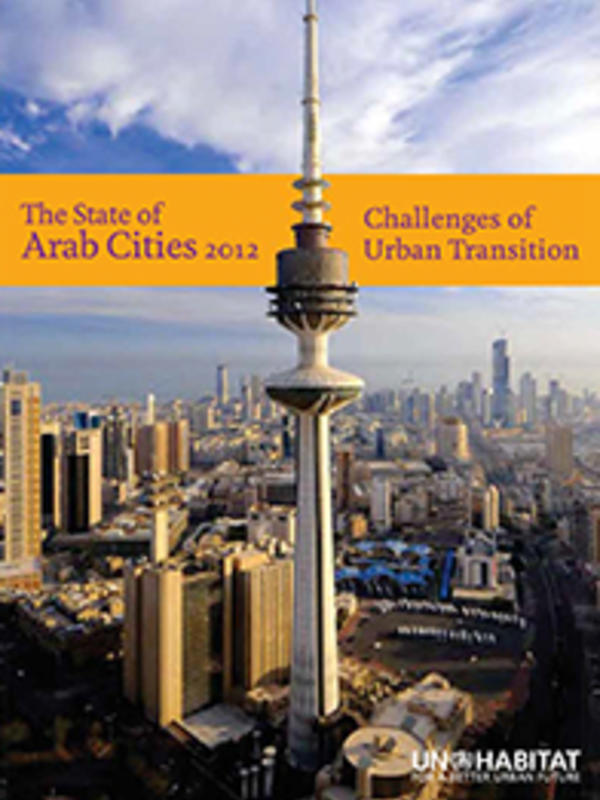
The state of Arab cities 2012: challenges of urban transition

The Arab world has played a very important role in the history of urbanization. It is the region where urban civilization was born and where urban matters have been addressed for centuries. The Arab urban civilization, as it has evolved over the past millennium, has generated some of the most beautiful cities in the world. This publication is the first ever to comprehensively analyse urbanization processes in the Arab States through the review of its four sub-regions: the Maghreb, the Mashreq, the Gulf Cooperation Council countries and the least-developed Arab countries of the Southern Tier.

View online/download
External Link

Global report on urban health; equitable, healthier cities for sustainable development

This timely report comes at a decisive moment in history where we can reshape urban environments and health systems for the majority of the world’s population that live in cities. Enabling this transformation are the SDGs, which have reconfigured how governments and the international community need to plan and implement actions to eradicate poverty and inequality, create inclusive economic growth, preserve the planet and improve population health. Central to this quest is to create equitable, healthier cities for sustainable development. A focus on urban health not only recognizes global demographic trends but the inextricable and inter-dependent links between health, economic productivity, social stability and inclusion, climate change and healthy environments, and an enabling built environment and governance. At the core of the dynamic and transformative nature of cities are people – healthy people. In order to pursue this goal and the SDGs, we must ensure that all citizens and communities, regardless of income, social status, or gender, have access to the quality health services they need with sufficient financial protection.

View online/download
External Link

Millet prices, public policy and child malnutrition: the case of Niger in 2005

Severe food crises were common until the middle 1980s. Since then, they have been less frequent and until the sharp rise of food prices in 2007-8 the dominant perception was that, except in areas suffering from political instability, famines were slowly becoming a problem of the past. Niger’s 2005 events suggest it is too soon to claim victory. Indeed, between March and August 2005 the country was hit by a doubling of millet prices, and a sharp rise in the number of severely malnourished children admitted to feeding centres. The extent and causes of such crisis remain controversial. Some argue that these extreme events are part of a normal seasonal cycle while others suggest that in 2005 Niger’s chronic food insecurity turned into a nutritional crisis that in some areas reached near-famine conditions. This paper reviews the evidence in this regard in the light of the main famine theories and against the background of the chronic food insecurity and high child malnutrition characterizing Niger. This study concludes that the decline in food production invoked by many to explain the crisis does not help comprehending a complex crisis that can only be understood by examining the entitlement failures of several socio-economic groups, the malfunctioning of domestic and regional food markets, and policy mistakes in the fields of food security, health financing, and international aid.

View online/download
External Link

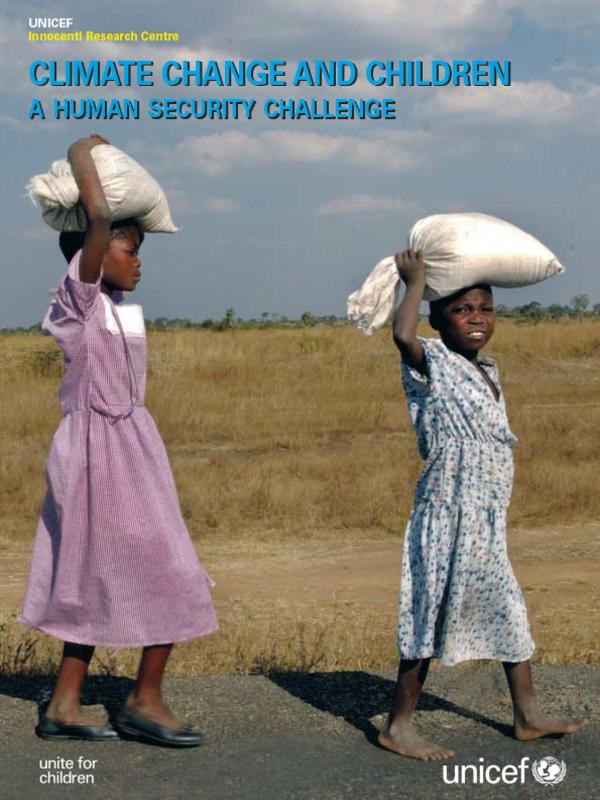
Climate change and children: a human security challenge

The study reviews the implications of climate change for children and future generations, drawing on relevant experiences in different sectors and countries of promoting child rights and well-being. It traces in considerable detail the pathways through which shifts in temperature and precipitation patterns create serious additional barriers to the achievement of the child survival, development and protection goals embraced by the international community. The role of children as vital participants and agents of change emerges as a key theme.

View online/download
External Link

Best of UNICEF research 2014

Each year the Office of Research-Innocenti reviews submissions for the best research being published across all UNICEF offices: country programmes, National Committees, Regional Offices and headquarters divisions. The purpose of this activity is to showcase and recognize high-quality, high-impact research being done in the organization. At the end of the process each year the Office of Research-Innocenti issues a publication containing summaries of the papers considered to be of particular merit. In 2014, the summaries cover issues concerning child protection, cash transfers, ECD, maternal health, inclusive education, and WASH.

View online/download
External Link

Best of UNICEF research 2015

In addition to recognizing high quality research, the Best of UNICEF Research process aims to share findings with UNICEF colleagues and with the wider community concerned with achieving child rights. This year the competition received 99 applications With global reach, the 12 projects in the final selection cover many of the ‘traditional’ areas of UNICEF work (health, nutrition, sanitation and education), while also highlighting issues that have more recently gained prominence within the global policy agenda, such as social transfers, violence against children and school bullying, and various forms of inequality or exclusion. This publication provides summaries of these research projects, including methodology and results.

View online/download
External Link

Best of UNICEF research 2016

The Best of UNICEF competition identifies a number of studies that are assessed to be of particular merit on a number of criteria: in terms of the relevance and interest of the topic and findings; the rigour of their methodology; and the potential for impact, including lessons that could inform programmes elsewhere, or the capacity for replication or scaling up. Issues covered include health, education, WASH, child protection and social inclusion. There was also a strong emphasis on qualitative and mixed methods research, demonstrating the value of rigorous qualitative studies. A number of studies selected as of special merit in 2016 involved research directly with children and there is an increasing recognition that children’s perspectives are of primary importance. There was also a welcome attention to gender in some of the studies, including research with both adolescent boys and girls.

View online/download
External Link

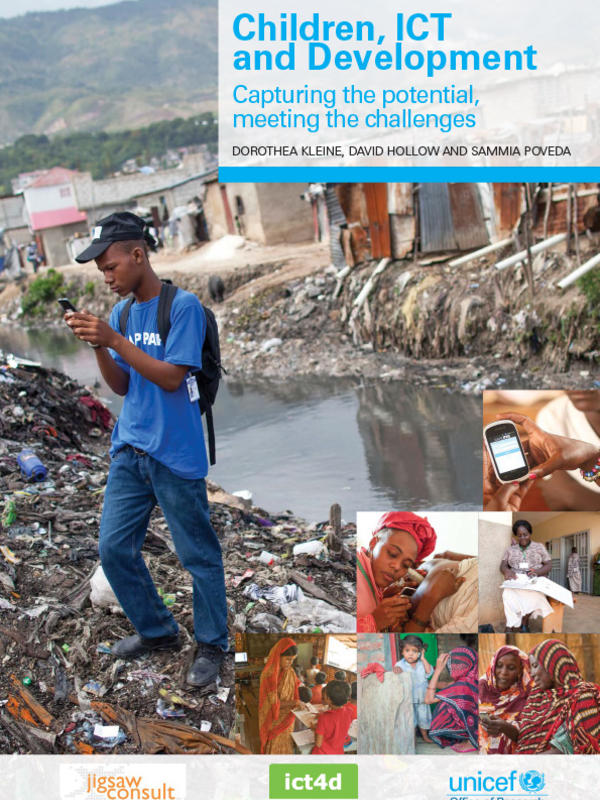
Children, ICT and development: capturing the potential, meeting the challenges

ICTs are not a technical sphere detached from the complex realities of children’s lives. They are increasingly woven into the very fabric of life, in income-rich and increasingly in income-poor countries. It is clear that if there is no targeted engagement with these socio-technical innovations, they are likely to reinforce existing inequalities. It follows that a focus on children and on greater equity leads to an active and reflective engagement with the potential and challenges of ICT for development, targeting in particular marginalized children. This report serves as a key contribution on which to build informed dialogue and decision making, developed jointly between research, policy and practice.

View online/download
External Link

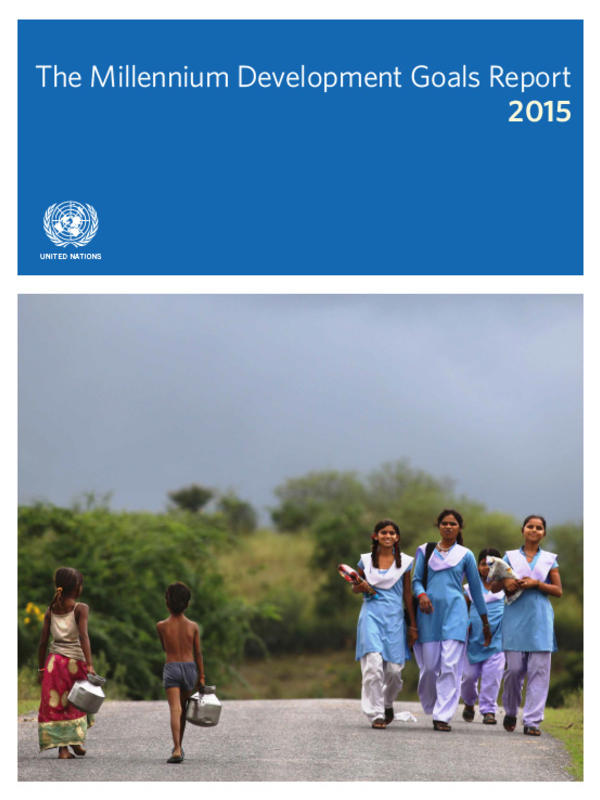
The Millennium Development Goals report 2015

This report presents data and analysis evaluating the progress towards achieving the Millennium Development Goals (MDGs). It proves that, with targeted interventions, sound strategies, adequate resources and political will, even the poorest countries can make dramatic and unprecedented progress. The report also acknowledges uneven achievements and shortfalls in many areas. The work is not complete, and it must continue in the new development era.

View online/download
External Link

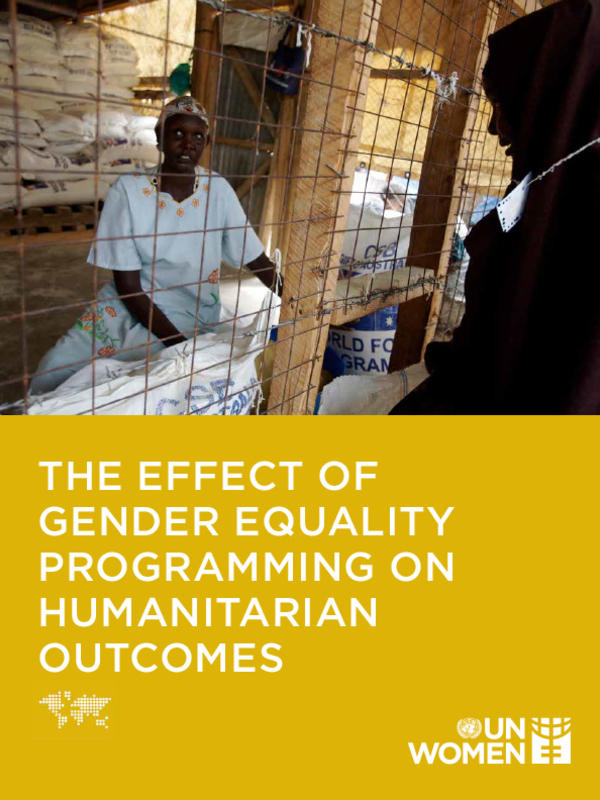
The effect of gender equality programming on humanitarian outcomes

Despite a number of developments in policy and practice aimed at integrating gender equality and women’s empowerment into humanitarian action, what remains missing is a strong evidence base that demonstrates just how gender equality programming is essential to ensuring an effective, inclusive, rights-based humanitarian response. To address this gap, UN Women—on behalf of the Inter-Agency Standing Committee (IASC) Reference Group on Gender in Humanitarian Action and with co-funding from the Department of Foreign Affairs, Trade and Development of Canada—in 2013 commissioned the Institute of Development Studies (IDS) at the University of Sussex to undertake a research study, titled “The Effect of Gender Equality Programming on Humanitarian Outcomes”. Its aim was to assess whether or not such programming has improved humanitarian outcomes and, if so, why. This report presents the findings of this research, based on interviews with more than 2,000 crisis-affected households gathered for four case studies conducted in Kenya (the Dadaab refugee camps and the county of Turkana), Nepal and the Philippines. Drawing on both the qualitative and quantitative data collected, researchers were able to develop a unique new methodology for assessing the degree to which gender equality and women's empowerment has been integrated into humanitarian programmes, using inputs from the beneficiaries themselves. The report presents overall findings, draws comparative conclusions across the four case studies and discusses practical recommendations for integrating gender equality programming in future humanitarian interventions in ways that strengthen effectiveness and inclusiveness.

View online/download
External Link

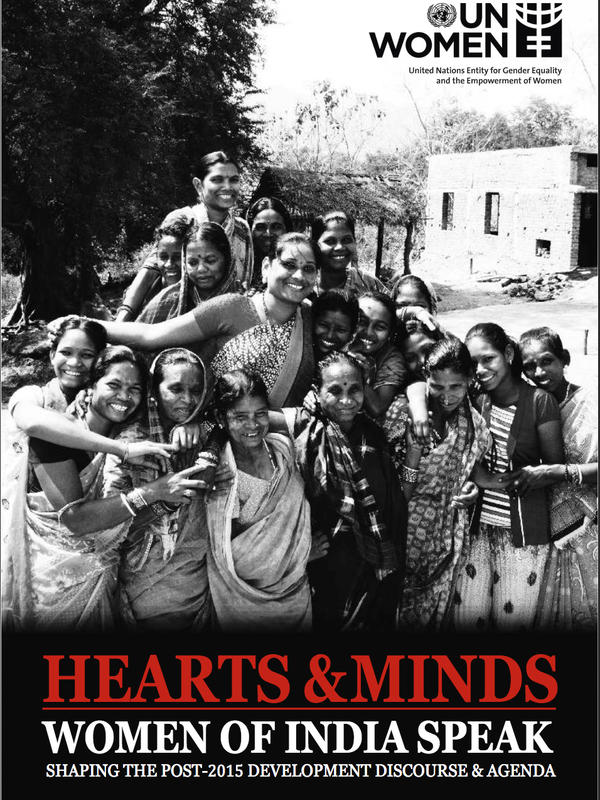
Hearts and minds: women of India speak

This report acknowledges the “lived experiences” of women and girls in India at the grassroots level and ensures that the voices of those who remain socially, economically and geographically marginalized are meaningfully reflected in the emerging post-2015 development discourse and agenda. The analysis contained in this report is based on in-depth interviews with women and focus-group discussions with almost 200 elected women representatives. The report addresses issues that resonate with women all over the globe, such as women's empowerment, poverty, employment, health and education. The key findings from this report can be used to influence the global agenda setting, ensuring that the post-2015 framework does not make the same mistakes that the MDGs did.

View online/download
External Link

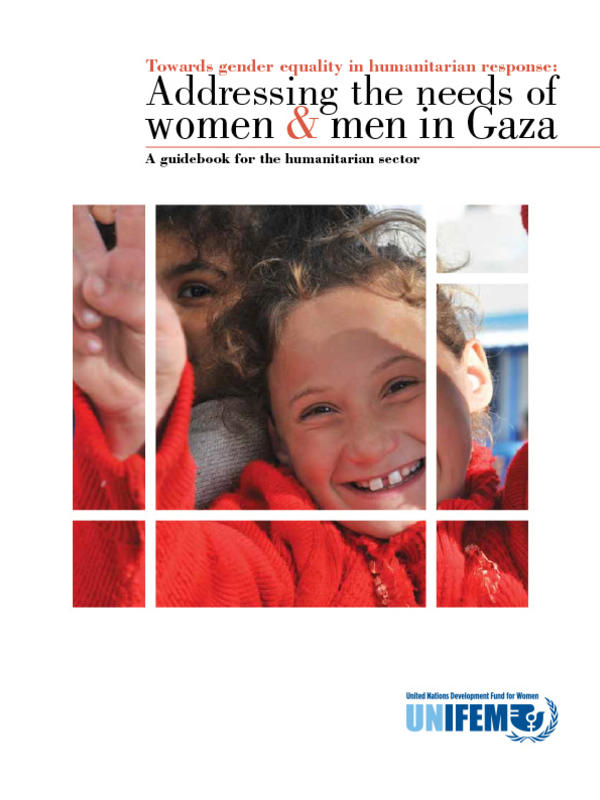
Towards gender equality in humanitarian response: addressing the needs of women and men in Gaza

The already grave humanitarian situation caused by the 18-month-long blockade of the Gaza Strip was compounded by Israel's 23-day military offensive in December 2008 and January 2009. The social and economic repercussions spread across all sectors of Gazan society, but were also mediated by men's and women's gender roles and identities. Ignoring the different needs, capacities and contributions of women, girls, boys and men can mean that some segments of the population are overlooked, sometimes with destructive consequences. In the rush to provide humanitarian assistance, the appeal to pay attention to gender issues may seem irrelevant. However, it is crucial to ensure that the most necessary and appropriate assistance is offered to the population as a whole. This guidebook sets forth standards for the integration of gender issues from the outset of a complex emergency, aiming to enable humanitarian services to reach their target audience with the maximum positive effect. The main framework for this guidebook is based on the Inter-Agency Standing Committee (IASC) handbook on gender and humanitarian action, and it builds on the gender needs assessment survey conducted by the UN Inter-Agency Gender Task Force in March 2009. Main issues that arose from that survey were subsequently discussed in focus groups in various communities in Gaza in April and May 2009, organized by UNIFEM.The findings of the focus groups form the core of the data used in this guidebook.

View online/download
External Link

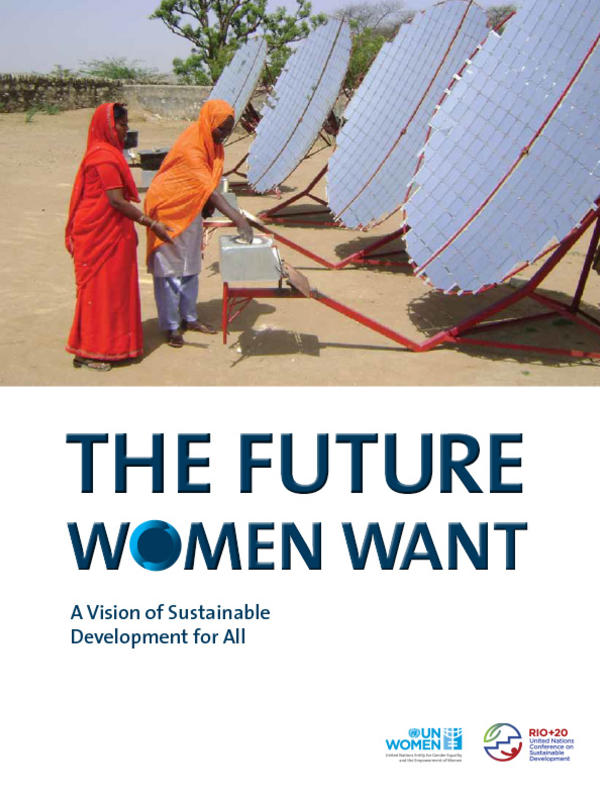
The future women want: a vision of sustainable development for all

Twenty years ago in Rio de Janiero, UN Member States unanimously agreed that “women have a vital role in environmental management and development. Their full participation is therefore essential to achieve sustainable development. Twenty years later, we still have a long way to go. In this publication UN Women highlights the commitments made on gender equality, and explores women's contributions to sustainable development and policy around the world. Focusing on priority areas—safe drinking water and sanitation; food security and sustainable agriculture; sustainable cities; decent work and the green economy; health and education—it details the actions needed to establish a gender-responsive development framework, and ensure an enabling environment for women's full participation in sustainable development.

View online/download
External Link

The cost of agricultural productivity in Malawi, Tanzania and Uganda

Women form a large proportion of the agricultural labour force in Sub-Saharan Africa and thus play a vital role in ensuring family nutrition and food security. In Eastern and Southern Africa, agriculture continues to be a key engine for local and regional economies, represents a critical source of income and ensures food security and nutrition. However, as has been widely documented, gender-based inequalities in access to and control of productive and financial resources inhibit agricultural productivity and reduce food security. A new study measuring the economic costs of the gender gap in agricultural productivity in three African countries provides further evidence that reducing the gender gap plays a significant role in poverty reduction and improved nutritional outcomes. The report provides a unique quantification of the costs in terms of lost growth opportunities and an estimate of what societies, economies, and communities would gain if the gender gap in agriculture is addressed. The findings of this report are striking, and send a strong signal to policy makers in Africa as well as development partners that closing the gender gap is smart economics. Consider this: closing the gender gap in agricultural productivity could potentially lift as many as 238,000 people out of poverty in Malawi, 80,000 people in Tanzania, and 119,000 people in Uganda.

View online/download
External Link

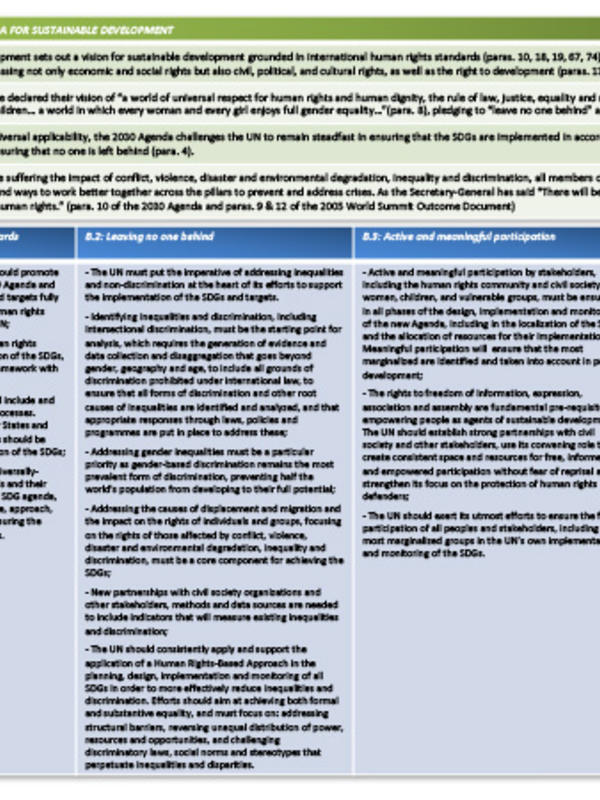
Policy and operational messages to support UN Country Teams in integrating human rights into the implementation of the 2030 Agenda

The messages in this document are envisaged to provide a common understanding for the UN system on how human rights can be integrated and should inform the planning and programming process as well as policy guidance for the Sustainable Development Goals (SDGs). The messages focus on: a) how to align the SDGs with the country’s existing human rights commitments; b) how to fulfill the pledge to ‘leave no one behind’ and ‘reach the furthest behind first’; c) how to ensure active and meaningful participation in the preparation of the national SDG action plans; and, d) how to build robust accountability frameworks in the implementation of these national plans.

View online/download
External Link

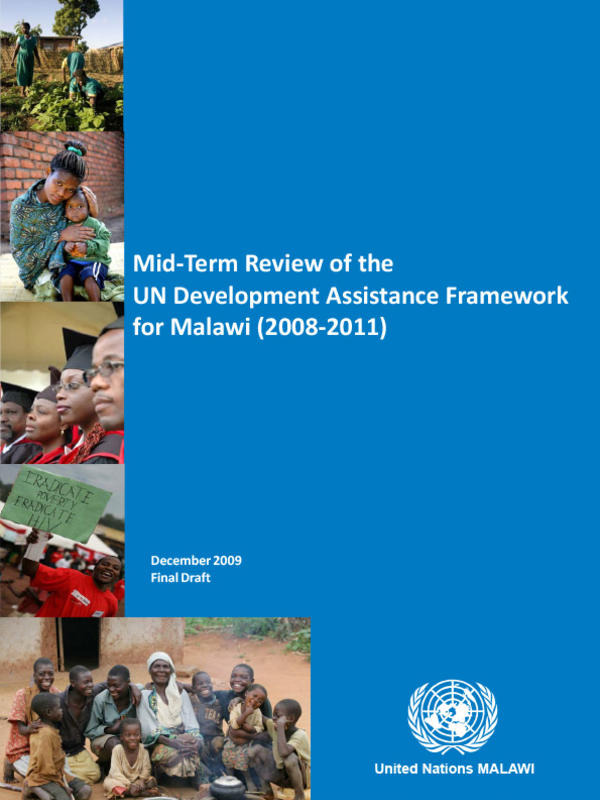
Mid-term review of the UN development assistance framework for Malawi (2008-2011)

In pursuit of economic growth and poverty reduction, the Malawi Government has articulated development goals in the Malawi Growth and Development Strategy (MGDS, 2006-2011), to which the UN’s Development Assistance Framework (UNDAF, 2008-2011) is aligned.The Mid-Term Review provides an opportunity for the UN country team to assess collective performance in respect of ‘delivering as one.’ The review has been carried out as a participatory, self-evaluation exercise focusing on UN programs and processes over the past two years; current MGDS-UNDAF alignment; and expected results for UNDAF implementation 2010/2011.

View online/download
External Link

Mainstreaming the 2030 Agenda for Sustainable Development: reference guide to UN country teams

This document is designed as a reference guide for UN Country Teams (UNCTs), under the leadership of the UN Resident Coordinators, that wish to support Member States and national stakeholders in adapting the 2030 Agenda for Sustainable Development to national contexts (“mainstreaming”) while protecting its integrity. The document covers eight implementation guidance areas that can serve as the basis for UNCT assistance at the national level, sub-national and local levels.

View online/download
External Link

Country-level needs for SDG implementation in Europe and Central Asia

In view of its interconnectedness, the new agenda of SDGs will require holistic approaches and coherent action by global, regional and country level actors. In order to ensure interlinkages between the regional and country levels, the ECA Regional UNDG Team undertook a consultation with ECA UN Resident Coordinators (RCs) and Country Teams (UNCT) through a survey to identify needs and requirements at country level with regard to SDG implementation. This document presents the finding of the survey as well as conclusions drawn.

View online/download
External Link

Delivering together facility for sustainable development

With the growing call for the UN development system to go beyond business-as-usual coordination and rise to the challenge to support implementation of the more ambitious and integrated 2030 Agenda, United Nations Development Operations and Coordination Office (UNDOCO) has reviewed the data and practice evidence, as well as the policy and resource mechanisms at its disposal, and established the Delivering Together Facility for Sustainable Development (DTF), to be operational in 2017. The DTF is set up as a flexible funding mechanism to provide seed funds to RCs and UNCTs, to help them leverage joined-up UN development system’s efforts in support of Member States implementing the 2030 Agenda. This document presents the design features, strategic framework, implementation arrangements and fund management of the DTF, which will become operational in 2017.

View online/download
External Link

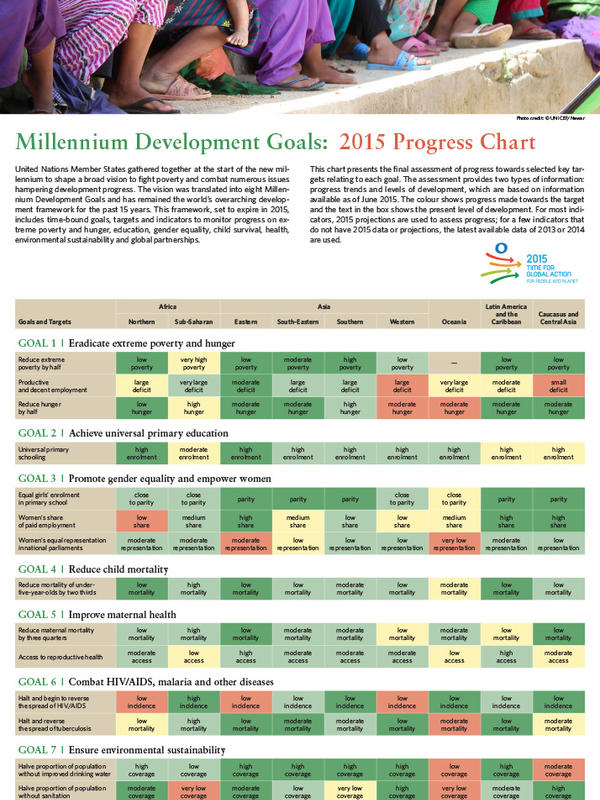
Millennium Development Goals: 2015 progress chart

This chart presents the final assessment of progress towards selected key targets relating to each MDG. The assessment provides two types of information: progress trends and levels of development, which are based on information available as of June 2015.

View online/download
External Link

Looking back, leaping forward: moving from MDGs to SDGs in Europe and Central Asia

This report takes stock of the progress achieved in Europe and Central Asia under the MDGs with the aim to chart the elements that are crucial for a successful transition to the SDGs. It draws on the experiences derived from the implementation of the MDGs, but also addresses the new challenges and opportunities for integrated interventions that come with the much more complex 2030 Sustainable Development Agenda. The report is structured into three parts. First, it takes stock of the progress achieved in the implementation of the MDGs. It aims to identify the main challenges at the beginning of the MDG period, how these were addressed and what has been achieved. The second section places the MDGs in the context of the wider SDG framework by identifying the unfinished agenda under the MDGs and discussing how the areas covered by the MDGs are now reflected in the 2030 Agenda. The final section describes some of the initial steps that governments in the region are taking to implement the 2030 Agenda and the ways in which the regional UN system can support these efforts. It concludes by identifying and assessing a number of risks that may influence SDG achievement and stressing the importance of collaboration for successful implementation.

View online/download
External Link

Standard operating procedures for countries adopting the 'Delivering as One' approach

Following the implementation of the ‘Delivering as One’ approach in 8 pilot countries, a second generation of “Delivering as One” was called for in 2012 and more than forty countries have formally adopted it. Efforts under 'Delivering as one' have now matured to the point where this set of Standard Operating Procedures is developed. They will enable the United Nations to function more effectively and foster greater collaboration and teamwork. The document is structured according to the core elements of the ‘Delivering As One’ approach: One Programme, Common Budgetary Framework (and One Fund), One Leader, Operating as One and Communicating as One.

View online/download
External Link

The Sustainable Development Goals are coming to life: stories of country implementation and UN support

This publication provides a glimpse into the early efforts of 16 countries across regions to bring the global SDGs to life, and the role United Nations Country Teams (UNCTs) play in the process. It illustrates how these countries are beginning to integrate the 2030 Agenda into visions, strategies and plans at the national, sub-national and local levels. The country efforts include raising public awareness, seeking engagement of different stakeholders, adapting the SDGs to national and local contexts, increasing coherence across policy areas and between levels of government, assessing risk and strengthening monitoring and accountability mechanisms.

View online/download
External Link


Suggest a publication

Feel free to submit a publication.

Submit here