Languages

Topbar Menu EN
The SDG Fund is operationally closed. This site is alive for knowledge and dissemination purposes.
Warning: This website is closed. Be aware of phishing or social engineering fraudulent requests of payments or certificates. Explore our programme areas.
Please visit jointsdgfund.org

Search our database of publications


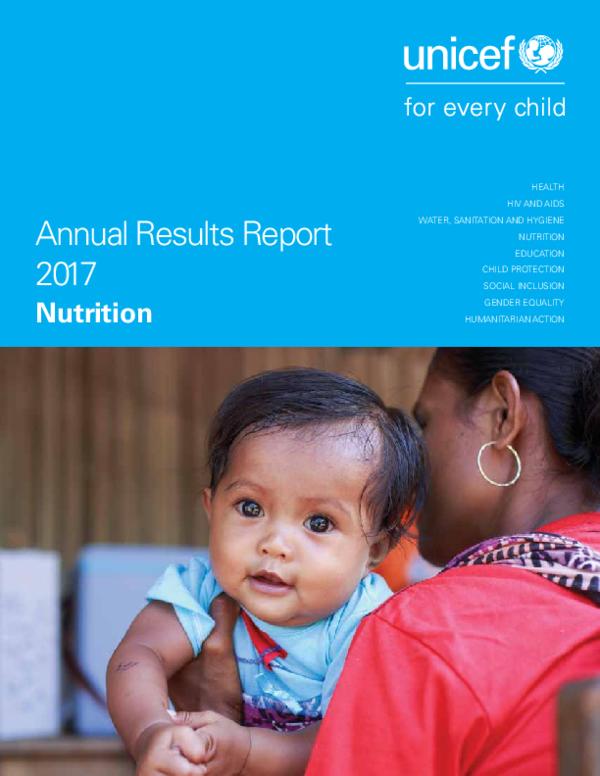
Annual Results Report 2017 Nutrition

UNICEF’s Strategic Plan 2014–2017 guides the organization’s work in support of the realization of the rights of every child. At the core of the Strategic Plan, UNICEF’s equity strategy – which emphasizes reaching the most disadvantaged and excluded children, caregivers and families – translates this commitment to children’s rights into action. The following report summarizes how UNICEF and its partners contributed to nutrition in 2017 and reviews the impact of these accomplishments on children and the communities where they live.

View online/download
English

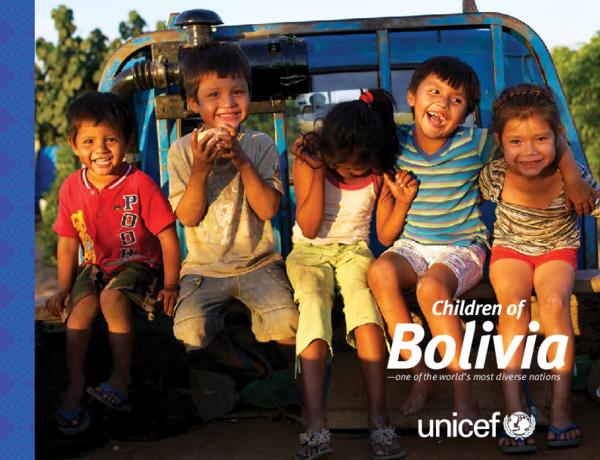
UNICEF Bolivia: Children of Bolivia Brochure 2016

This brochure analyses the state of children in Bolivia as one of the world’s most culturally and geographically diverse countries

View online/download
English

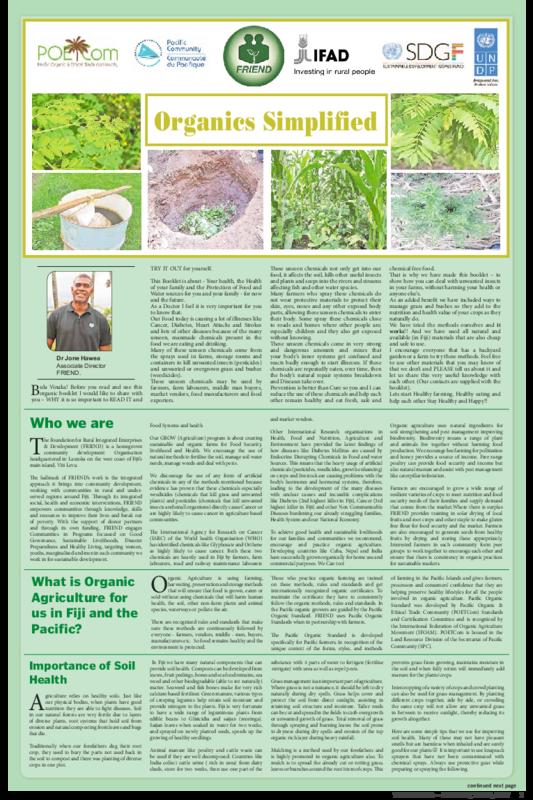
Organics Simplified

This Booklet is about - Your health, the Health of your family and the Protection of Food and Water sources for you and your family - for now and the future.
View online/download
English

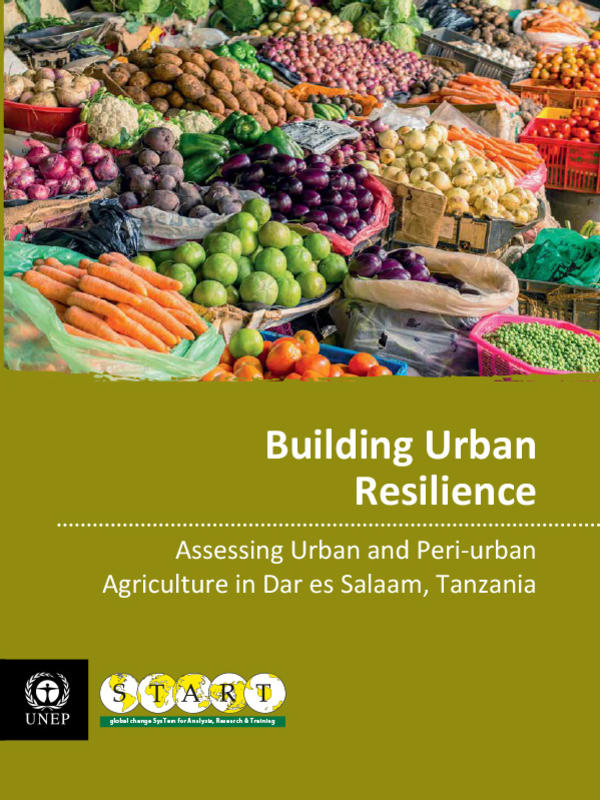
Building urban resilience: assessing urban and peri-urban agriculture in Dar es Salaam, Tanzania

This report presents the findings of a knowledge assessment on urban and peri-urban agriculture (UPA) for the city of Dar es Salaam, Tanzania that was conducted in 2012. It examines the state of UPA in the city through the lens of intensifying urban pressures and increasing climate risks with the objective of identifying how these and other drivers potentially interact to affect the long-term sustainability of UPA, and what response options are needed to address existing and emerging challenges.

View online/download
External Link

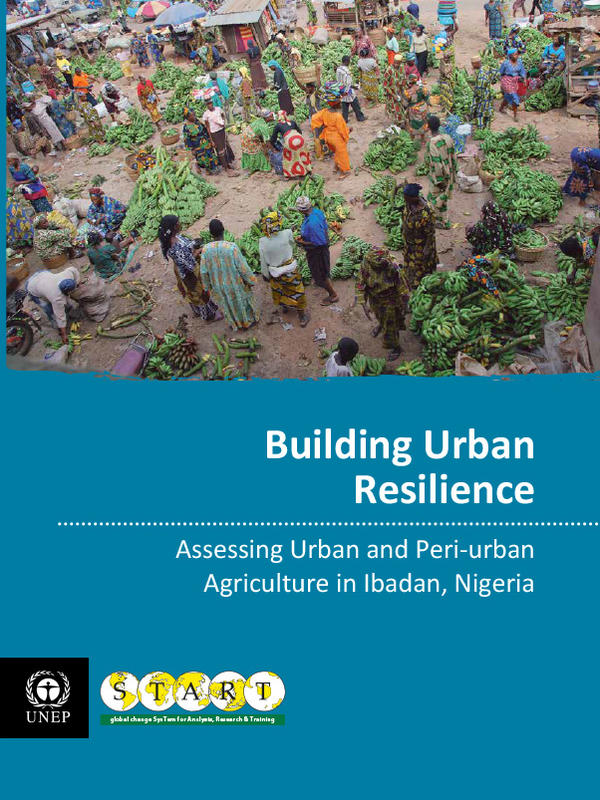
Building urban resilience: assessing urban and peri-urban agriculture in Ibadan, Nigeria

This report presents the findings of a knowledge assessment on urban and peri-urban agriculture (UPA) for the city of Ibadan, Nigeria that was conducted in 2012. It examines the state of UPA in the city through the lens of intensifying urban pressures and increasing climate risks with the objective of identifying how these and other drivers potentially interact to affect the long-term sustainability of UPA, and what response options are needed to address existing and emerging challenges.

View online/download
External Link

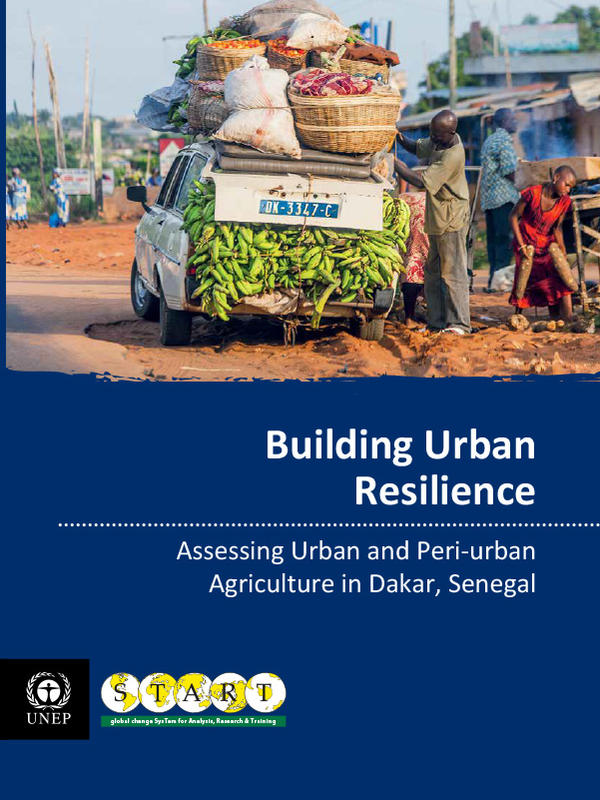
Building urban resilience: assessing urban and peri-urban agriculture in Dakar, Senegal

This report presents the findings of a knowledge assessment on urban and peri-urban agriculture (UPA) for the city of Dakar, Senegal, that was conducted in 2012. It examines the state of UPA in the city through the lens of intensifying urban pressures and increasing climate risks with the objective of identifying how these and other drivers potentially interact to affect the long-term sustainability of UPA, and what response options are needed to address existing and emerging challenges.

View online/download
External Link

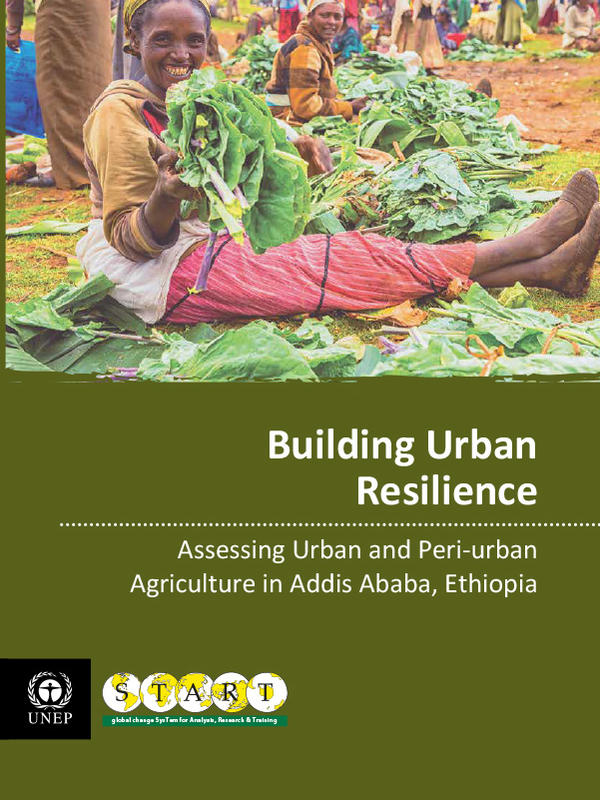
Building urban resilience: assessing urban and peri-urban agriculture in Addis Ababa, Ethiopia

This report presents the findings of a knowledge assessment on urban and peri-urban agriculture (UPA) for the city of Addis Ababa, Ethiopia that was conducted in 2012. It examines the state of UPA in the city through the lens of intensifying urban pressures and increasing climate risks with the objective of identifying how these and other drivers potentially interact to affect the long-term sustainability of UPA, and what response options are needed to address existing and emerging challenges.

View online/download
External Link

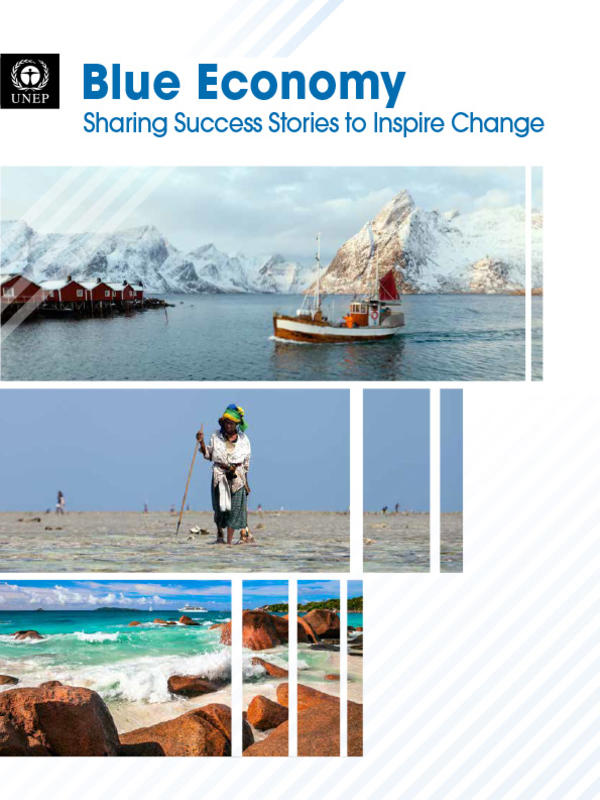
Blue economy: sharing success stories to inspire change

Oceans are vital, not only to a wide array of biodiversity and ecosystems, but also to the food chains, livelihoods and climate regulation for a human population heading towards nine billion people. That is why this report shares stories that illustrate how economic indicators and development strategies can better reflect the true value of such wide spread benefits and potentially even build on them.

View online/download
External Link

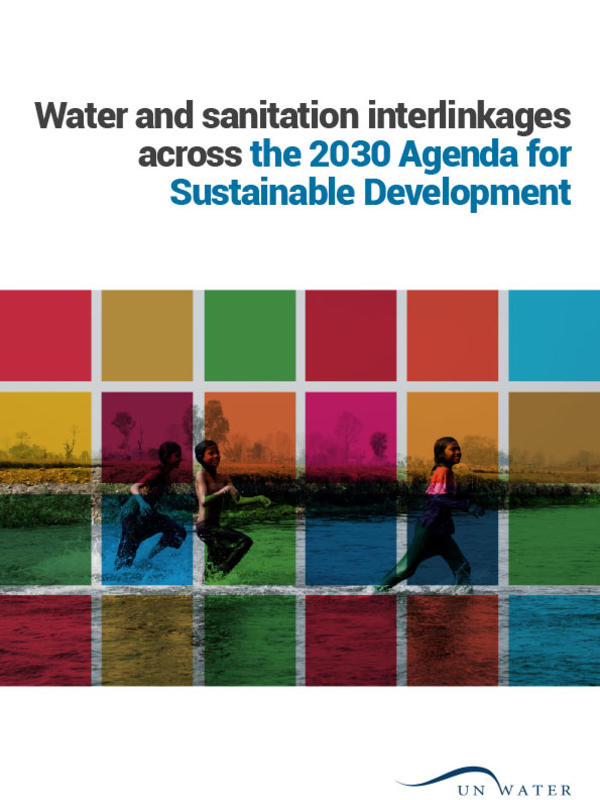
Water and sanitation interlinkages across the 2030 Agenda for Sustainable Development

This UN-Water Analytical Brief analyses the central role of water and sanitation to describe the links and interdependencies between the targets of Sustainable Development Goal 6 on water and sanitation and those of other Goals. It aims to stimulate United Nations Member States’ consideration of the water-related linkages within the Goals to facilitate an integrated approach to implementation. The Brief highlights the importance of mainstreaming water and sanitation in the policies and plans of other sectors, and how the management of interlinkages supports the social, economic and environmental dimensions of the 2030 Agenda for Sustainable Development.

View online/download
External Link

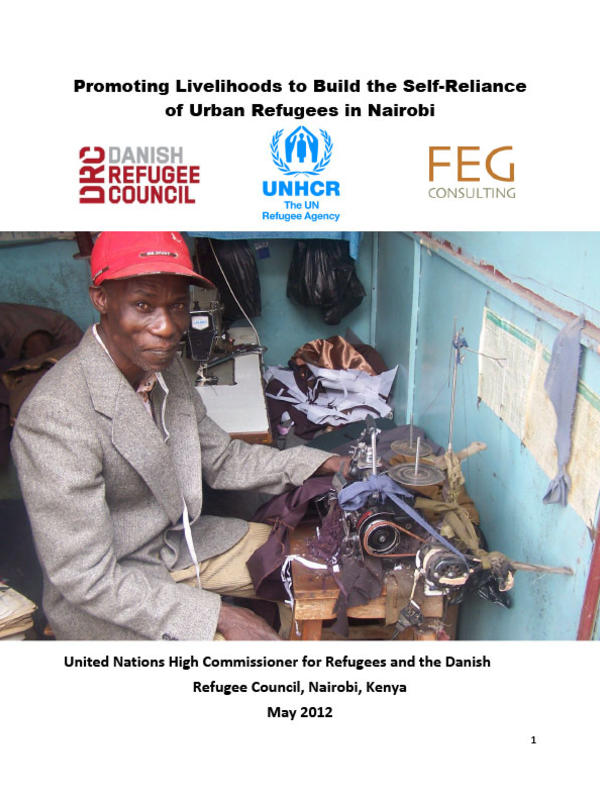
Promoting livelihoods to build the self-reliance of urban refugees in Nairobi

The majority of the urban poor in Nairobi, including asylum seekers and refugees, find employment and self-employment opportunities in the highly competitive informal sector. Poor regulation, poor physical infrastructure and limited access to institutionalized business support services, limit the viability of the informal sector. Those without specialized skills or capital to start a business earn daily wages as casual labourers or as low-level employees. For asylum seekers and refugees the odds are worse, encumbered by a lengthy asylum seeking process, limited engagement with local administrative authorities which deprives them of critical protection and support, and a business community hesitant to engage them as a potential market. Without ownership of fixed assets those seeking to start or grow a business fail to meet the collateral requirements to access business loans. The March 2012 livelihoods baseline indicates that food alone comprises between 45 percent and 55 percent of monthly costs for the very poor. After spending on food and housing, very little remains for other essentials. Additional expenditure on limited health care, hygiene, energy and water deplete the modest monthly wage. UNHCR and the urban refugee’s livelihoods working group are implementing livelihoods projects targeting refugees and Kenyans. With limited funding and experience the UNHCR chaired urban refugee’s livelihoods working group is implementing a range of livelihood support projects. To improve the effectiveness of current livelihoods programming resources are required to build partner technical capacity in designing, implementing, and monitoring and evaluating interventions, institutionalizing the use of best practices and models that are proven to work, and scaling up to reach more beneficiaries.

View online/download
External Link

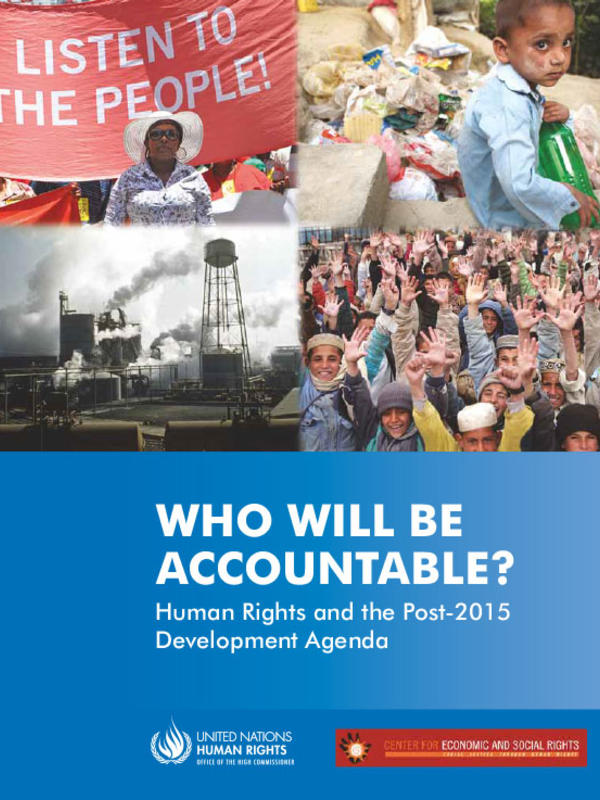
Who will be accountable? Human rights and the post-2015 development agenda

This publication is intended to help fill some of the more pressing accountability gaps that impede the realization of global and national development goals. We approach this challenge from the perspective of human rights, as a universal normative and legally binding framework embodying the minimum requirements of a dignified life, encapsulating universal values that a post-2015 agreement should strive to prioritize and protect as well as essential features of a road map to take us there.

View online/download
External Link

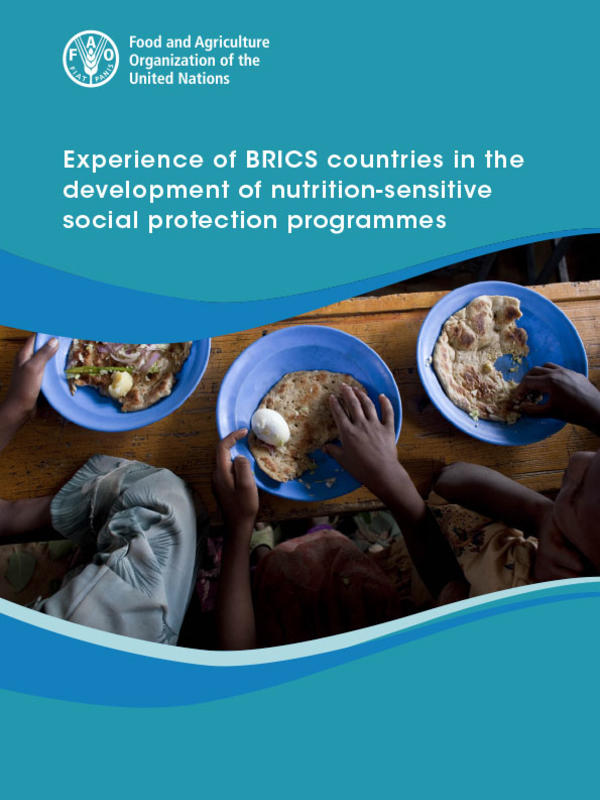
Experience of BRICS countries in the development of nutrition-sensitive social protection programmes

Building on the momentum created by ICN2, the BRICS countries have actively participated in and facilitated global discussions on nutrition-sensitive social protection; in particular, during the Global Forum on Nutrition-Sensitive Social Protection, held in Moscow, Russian Federation, from 10 to 11 September 2015, which brought together policy-makers, researchers and experts in the areas of nutrition and social protection from 27 countries.

View online/download
External Link

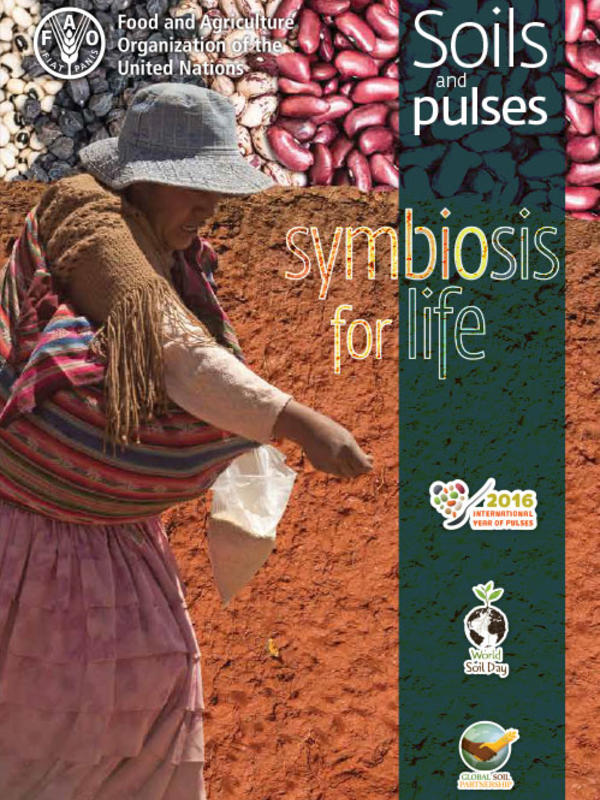
Soils and pulses: symbiosis for life

This booklet aims to introduce the reader to the importance of preserving our soil resources by attending to the reciprocal relationship between soils and pulses. The ecosystem services provided by soil are presented together with the role of pulses in improving soil health, adapting to and mitigating climate change, and ultimately contributing to food security and nutrition. The book also discusses the role of pulses in restoring degraded soils and their contribution to pursuing the practice of sustainable soil management.

View online/download
External Link

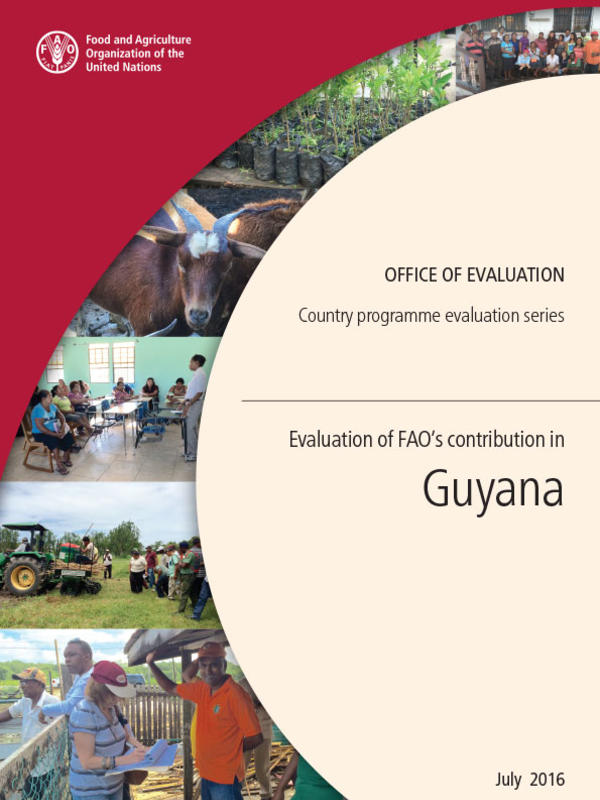
Evaluation of FAO’s contribution in Guyana

The Country Programme Evaluation of FAO’s contribution in Guyana was conducted in 2015 with the main aim of informing the development of the new CPF cycle starting in 2016. It is intended that this exercise will provide inputs to better orient FAO’s programme in the next biennium, making it more relevant to the government priorities for the country. The evaluation was also intended to assess the strategic relevance in the national context of FAO’s programmes and interventions in Guyana.

View online/download
External Link

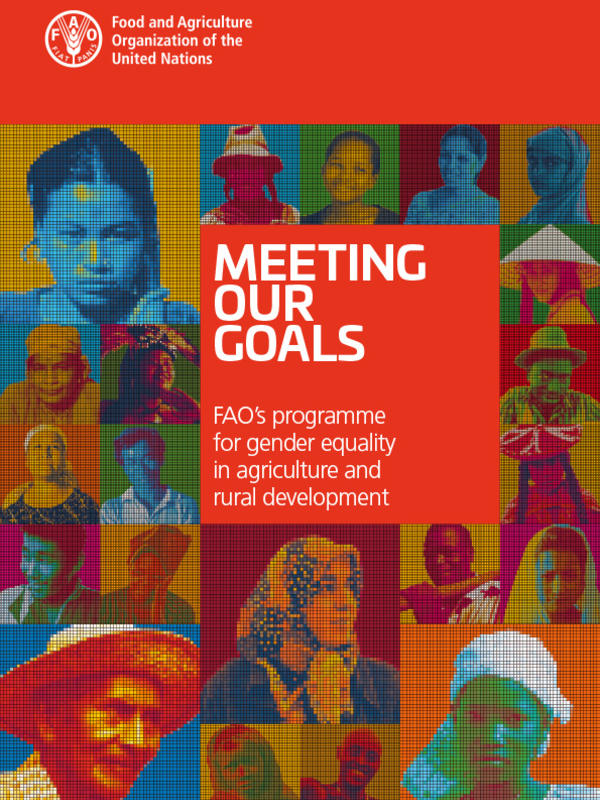
Meeting our goals: FAO’s programme for gender equality in agriculture and rural development

FAO recognizes the potential of rural women and men in achieving food security and nutrition and is committed to overcoming gender inequality, in line with the pledge to “leave no one behind”, which is at the heart of the Sustainable Development Goals (SDGs) and the 2030 Agenda. The publication illustrates the consistent and sustained work of FAO towards gender equality and women’s empowerment, which are at the core of the Organization’s work to eliminate hunger and rural poverty. Each chapter highlights the relevance of gender work to achieving the FAO Strategic Objectives, and describes main results achieved, showcasing activities implemented at country and international levels. Stories from the field demonstrate the impact of FAO’s work for beneficiaries, highlighting successes and significant insights gained.

View online/download
External Link

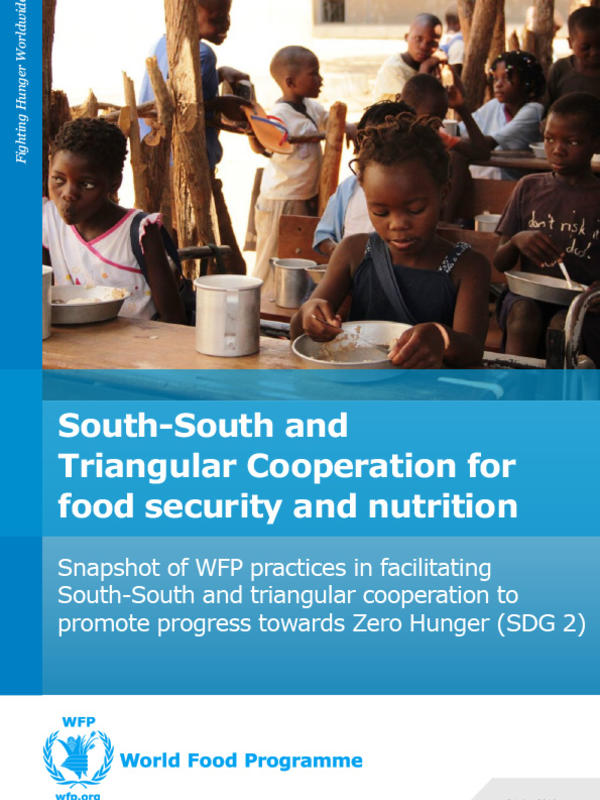
South-South and Triangular Cooperation for food security and nutrition

This publication explores how WFP facilitates South-South cooperation to help countries advance their national objectives and build capacities to fight hunger and malnutrition towards achieving Agenda 2030. Seven case studies showcase how different South-South modalities can be applied on the ground.

View online/download
External Link

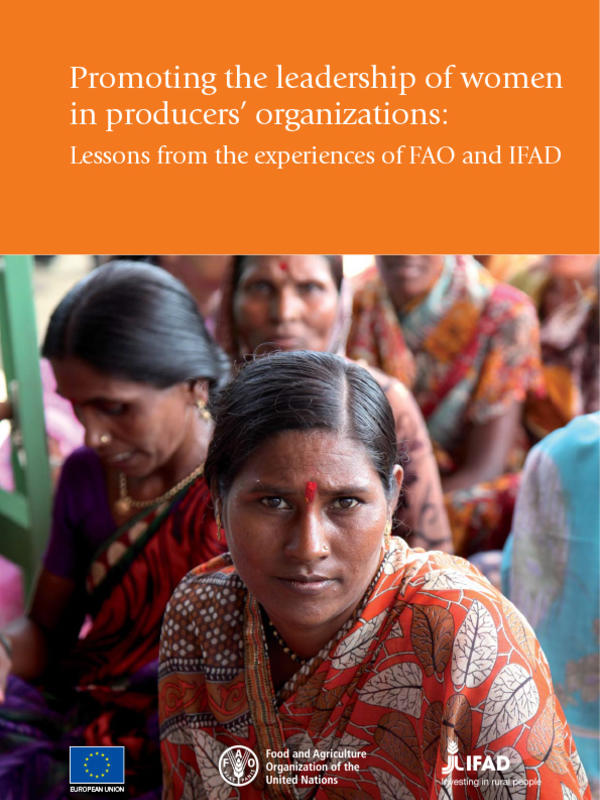
Promoting the leadership of women in producers’ organizations

This paper explores aspects of promoting rural women’s leadership in producers’ organizations (POs). Despite the vast amount of work that women perform in the agriculture sector, their role remains largely unrecognised. The concerns and issues of women farmers are scarcely heard at the local, national and global levels. One reason for this silence is that there are not enough women in leadership positions to be able to represent the interests of rural women. This shortage is compounded by women’s lack of voice in decision making processes at all levels − from households to rural organizations − and in policymaking. Ensuring that women have a greater voice is not only a matter of gender equality. Women’s leadership, especially in POs, is essential for increasing the production of smallholder agriculture, as women make massive contributions to the sector. Women leaders can advocate for women’s better access to and control over assets and productive inputs, thus boosting their productivity and incomes, leading to food security and increasing their employment opportunities and real wages. This paper has three main purposes: (i) to identify relevant aspects that relate to the promotion of rural women’s leadership within POs; (ii) to identify related good practices that are implemented by IFAD, the Food and Agriculture Organization of the United Nations (FAO) and their partners; and (iii) to present key messages and recommendations for guiding the design and implementation of interventions in support of women’s leadership.

View online/download
External Link

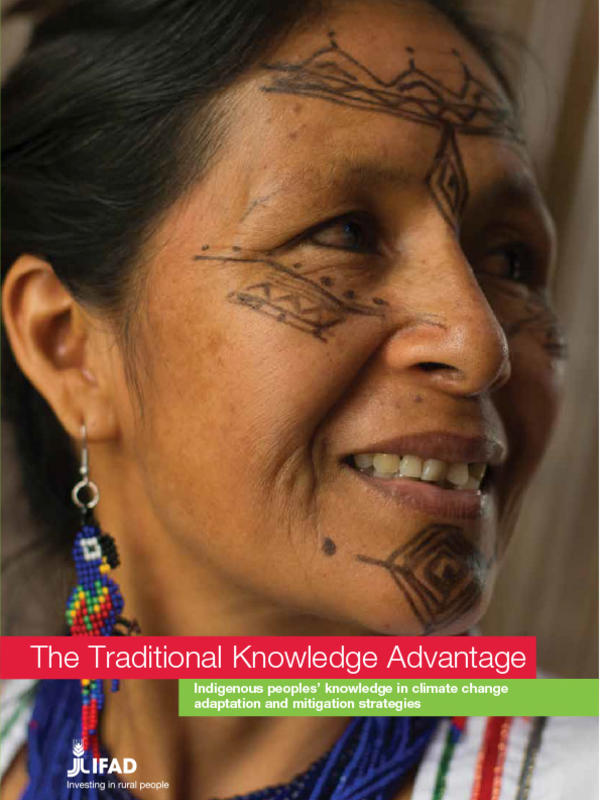
The traditional knowledge advantage: indigenous peoples’ knowledge in climate change adaptation and mitigation strategies

Working with indigenous peoples, IFAD has learned that the relationship between natural resources management, sustainable livelihoods and indigenous concepts of self-driven development are interrelated and interdependent. Indigenous peoples conceive and manage their livelihoods in harmony with nature and in accordance with agroecological conservation, natural resources sustainable management, and climate change adaptation and mitigation practices. In this paper, a number of cases from IFAD-funded projects analyse the important role of indigenous peoples’ knowledge preservation and application in community responses to climate change.

View online/download
External Link

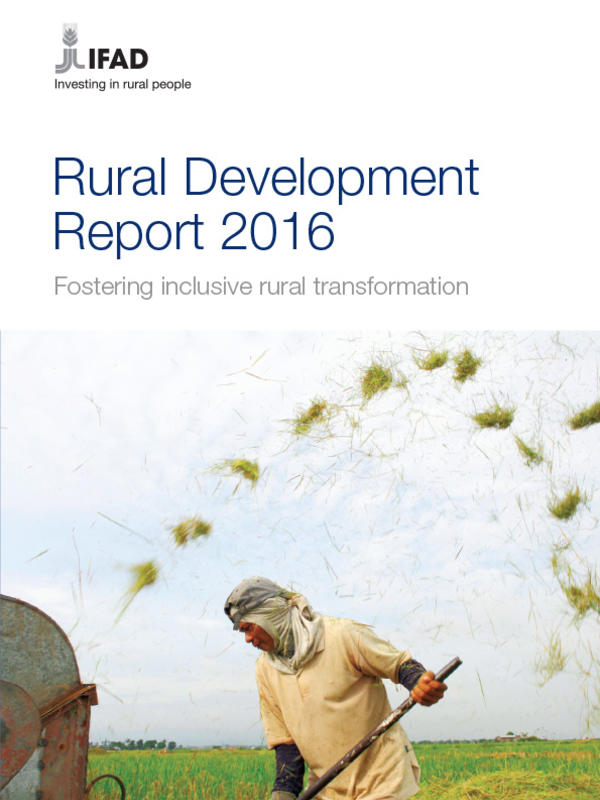
Rural Development Report 2016: fostering inclusive rural transformation

The 2016 Rural Development Report focuses on inclusive rural transformation as a central element of the global efforts to eliminate poverty and hunger, and build inclusive and sustainable societies for all. It analyses global, regional and national pathways of rural transformation, and suggests four categories into which most countries and regions fall, each with distinct objectives for rural development strategies to promote inclusive rural transformation: to adapt, to amplify, to accelerate, and a combination of them. The report presents policy and programme implications in various regions and thematic areas of intervention, based on both rigorous analysis and IFAD’s 40 years of experience investing in rural people and enabling inclusive and sustainable transformation of rural areas.

View online/download
External Link

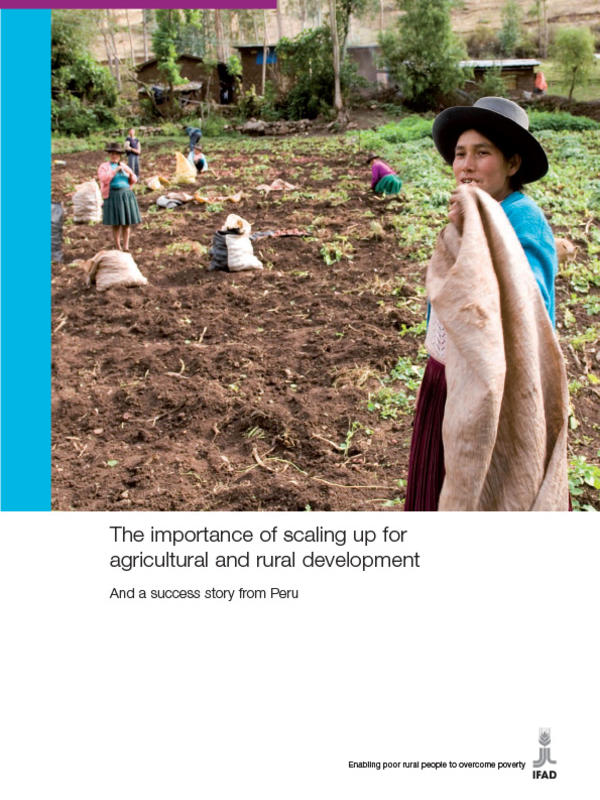
The importance of scaling up for agricultural and rural development

The thesis of this article is that governments of countries that plan their agricultural and rural development programmes on a large scale – typically covering the entire agriculture sector and including all or most of the important ingredients for agricultural growth and rural development – do better in terms of agricultural production and reduction of rural poverty and hunger than do country governments that do not invest broadly and at scale in such development. The reason, for most low-income countries, is that agriculture still constitutes the most important economic sector, uses the most labour and contains the majority of the poor, who are also the majority of the hungry. Government action to stimulate agriculture at scale pays off by increasing food production and rural incomes. Donors that contribute to government programmes at scale and for the long term thus contribute more to this success than donors that do not operate at scale, and that have short-term objectives or invest in small-scale projects. IFAD’s experience in Peru, in which it supported the Government in scaling up agricultural and rural development investments in poor areas of the Peruvian Andes over a period of 20 years, has paid off spectacularly in terms of poverty reduction. The Peruvian example points to two critical ingredients: government commitment to operating at scale and donor willingness to support governments in doing this.

View online/download
External Link

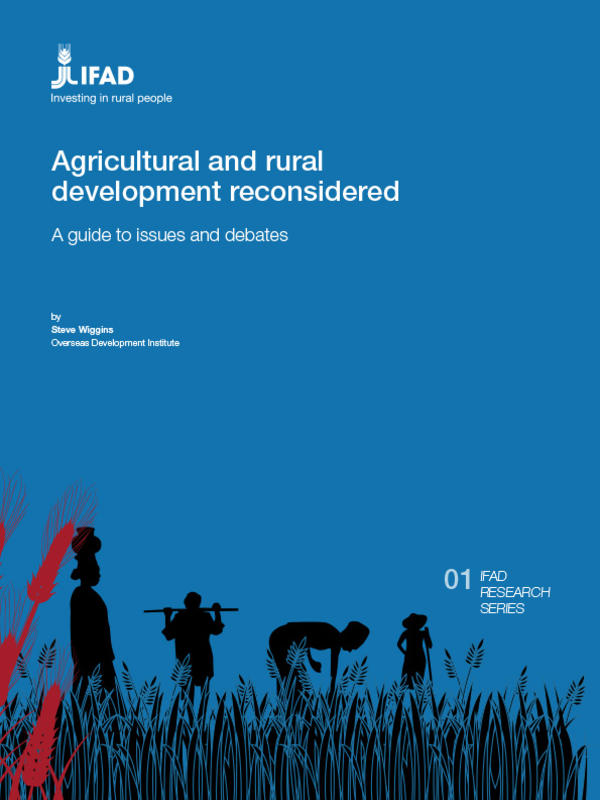
Agricultural and rural development reconsidered

This paper is a guide to current debates about agricultural development. It analyses the changes in development approaches and thinking in recent decades and explores today's critical issues in agricultural and rural development policy. With the main focus on Africa, the paper also includes insights from Asia and Latin America.

View online/download
External Link

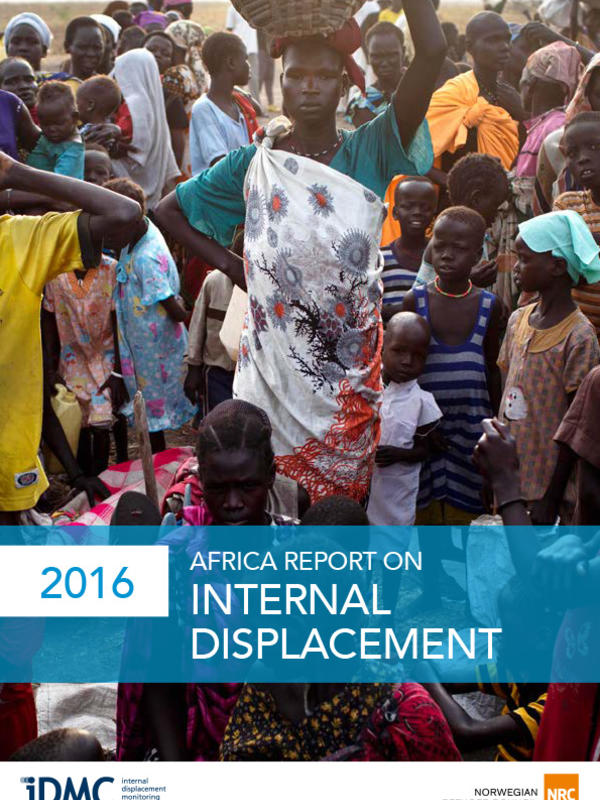
2016 Africa Report on Internal Displacement

Internal displacement has long been a concern of African governments and the African Union (AU) as a source of suffering for millions of people, a driver of food insecurity and a barrier to the sustained development we all seek. This is the first report from the Internal Displacement Monitoring Centre (IDMC) to focus exclusively on the African continent. It offers a timely reminder of the scale and complexity of the problem as we mark the anniversary of the entry into force of the Kampala Convention, Africa’s landmark commitment to preventing displacement and protecting the rights of internally displaced people (IDPs).

View online/download
External Link

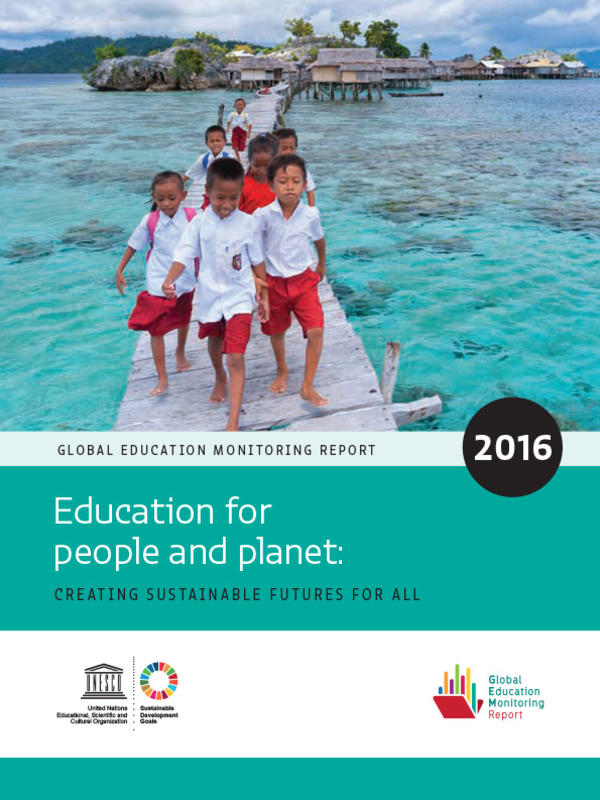
Global Education Monitoring (GEM) Report 2016. Education for people and planet: creating sustainable futures for all

The Incheon Declaration for Education 2030 has been instrumental to shape the Sustainable Development Goal on Education to “Ensure inclusive and equitable quality education and promote lifelong learning opportunities for all”. It entrusts UNESCO with the leadership, coordination and monitoring of the Education 2030 agenda. It also calls upon the Global Education Monitoring (GEM) Report to provide independent monitoring and reporting of the Sustainable Development Goal on education (SDG 4), and on education in the other SDGs, for the next fifteen years. The ultimate goal of this agenda is to leave no one behind. This calls for robust data and sound monitoring. The 2016 edition of the GEM Report provides valuable insight for governments and policy makers to monitor and accelerate progress towards SDG 4, building on the indicators and targets we have, with equity and inclusion as measures of overall success.

View online/download
External Link

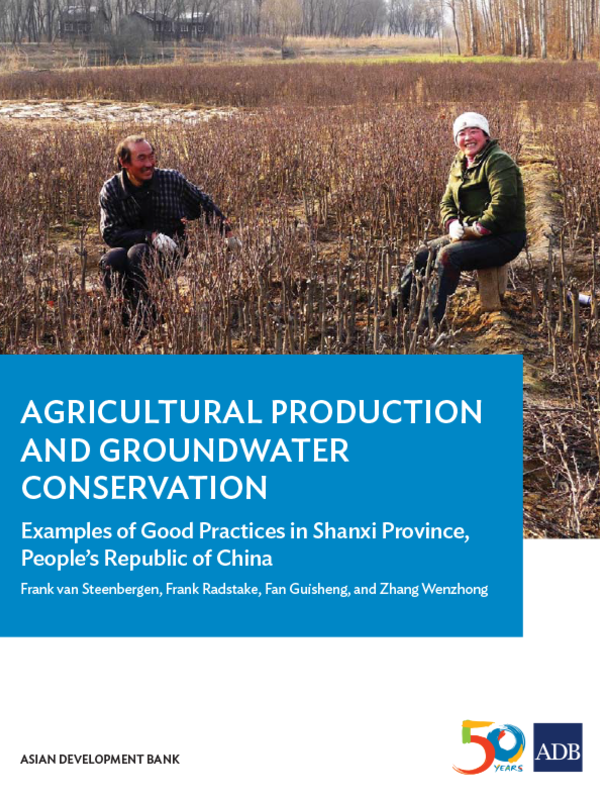
Agricultural production and groundwater conservation: examples of good practices in Shanxi Province, People’s Republic of China

Climate change and declining water resources threaten food production systems worldwide, increasing the need for efficient agricultural processes. The Shanxi Province in the PRC has been experiencing declining groundwater tables since 1956. This publication provides examples of how ADB’s development support met the rising challenges in water security, food production, and climate change faced by communities in the Shanxi Province. It describes initiatives in four counties in the Shanxi Province selected as pilot areas, where traditional farmers learned modern methods of groundwater use and management. As a result, options for more sustainable use of groundwater were introduced, while farm labor was reduced, crop yields increased, and water was used more efficiently.

View online/download
External Link

Poverty and nutrition: a case study of rural households in Thailand and Viet Nam

We analyze the link between nutrition and poverty in two Asian countries where monetary-based poverty reduction was especially successful. Thailand and Viet Nam are two emerging market economies where poverty rates are now below 10% and are declining further. Despite this success, it is not clear to what extent it has translated into similar improvements in the nutritional situation of the people, and especially of children. We find that undernutrition continues to be a problem in Viet Nam with child underweight rates of 27% and therefore higher than headcount rates of the $1.25 poverty line. Also, Thailand, after the economic crisis, with 19% of children underweight, is still above the World Health Organization’s threshold. We investigate the factors that influence nutrition outcomes, measured as Z-scores of the weight-for-age indicator, by using Tobit regressions for four different groups of children, based on income (poor vs. non-poor) and nutrition (underweight vs. non-underweight). We find that poverty and income influence nutrition outcomes, but other factors such as mother’s height, education, migration and sanitation also affect nutrition. Coefficients of respective variables differ by poverty status. Our conclusion that non-monetary factors matter to reduce undernutrition, and, therefore, monetary poverty reduction is not a sufficient condition, is further underlined by a prediction of future undernutrition rates based on regressions. Also, we find that, even under the assumption of high growth, income growth alone will not be able to reduce undernutrition to a level of low severity until the year 2030.

View online/download
External Link


Suggest a publication

Feel free to submit a publication.

Submit here